
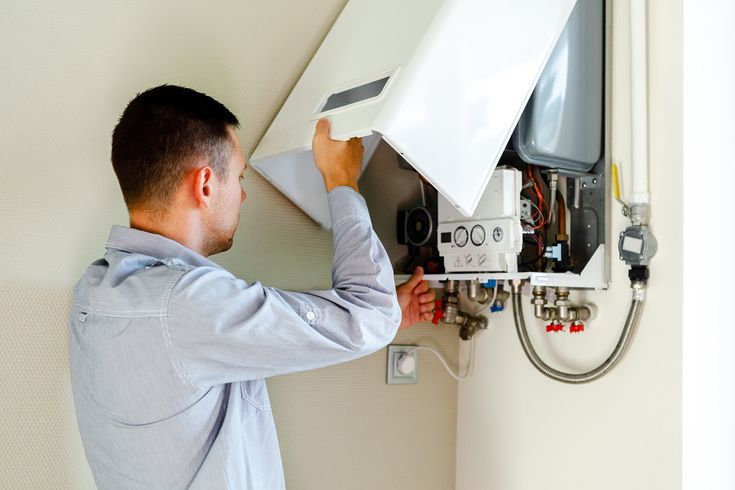
E119 Boiler Error Code: Low Pressure Fault Causes and Fixes
When your boiler suddenly stops working and displays an unfamiliar fault code, it can be stressful—especially during colder months. One such common issue many homeowners face is a low system pressure fault, which prevents the boiler from operating safely. Modern boilers are designed with safety mechanisms that shut the system down when pressure drops too low, helping to protect internal components and avoid long-term damage.
Understanding why this happens and how to respond can save time, money, and unnecessary worry. In this guide, we’ll explain what the E119 boiler error code means, what causes it, and which solutions are safe for homeowners versus when professional help is required.
What Does E119 Mean on a Boiler?
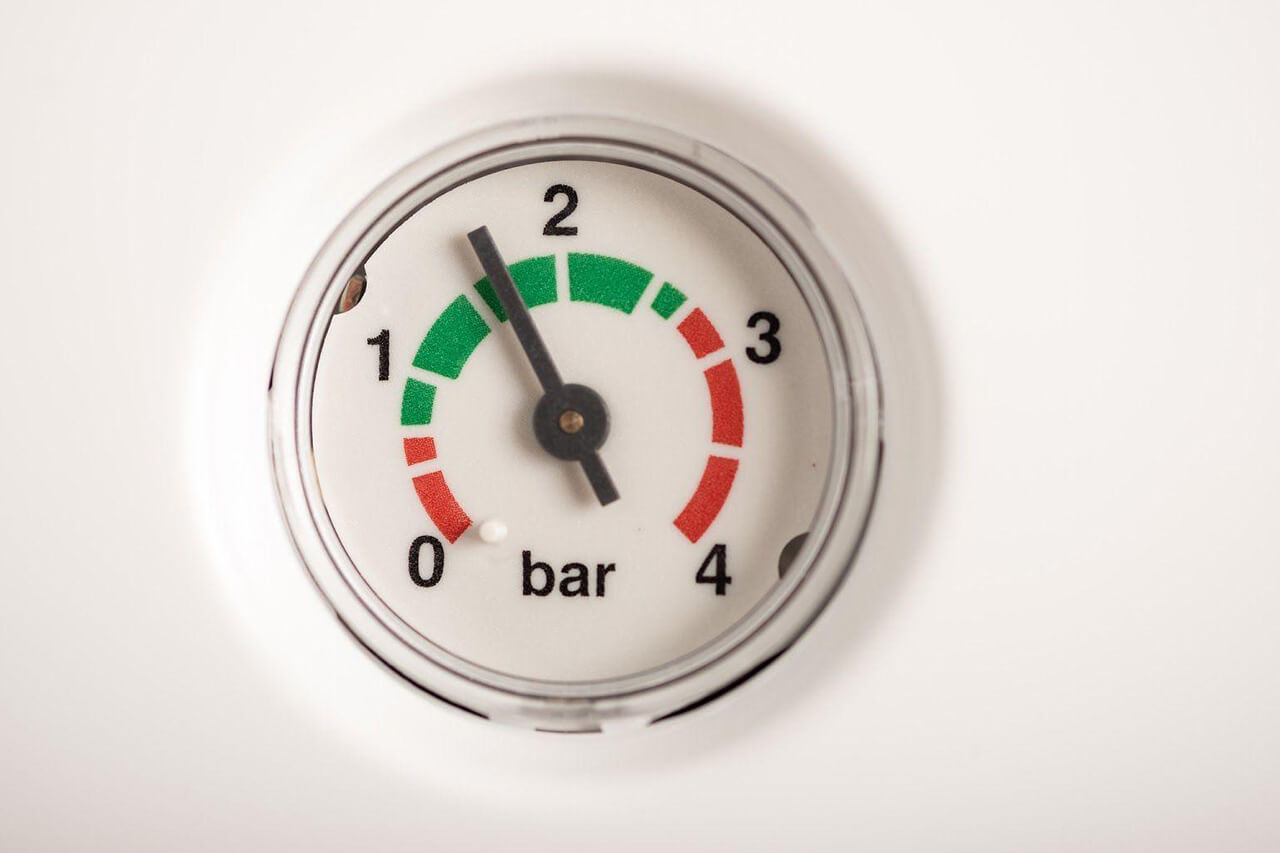
The E119 fault code indicates that your boiler’s system water pressure has fallen below the minimum safe level—usually under 0.5 bar. Boilers rely on adequate water pressure to circulate heat through radiators and pipework. When pressure drops too low, the boiler automatically shuts down as a precaution.
Low pressure doesn’t always mean something is seriously wrong. In many cases, it develops gradually and is linked to normal system behaviour. However, repeated pressure loss can point to an underlying fault that needs attention.
Why Low Boiler Pressure Shouldn’t Be Ignored
Running a boiler with insufficient pressure can cause several problems, including:
-
Inefficient heating and cold radiators
-
Boiler lockouts and frequent shutdowns
-
Strain on internal components
-
Increased risk of further faults
That’s why addressing the issue promptly is important, even if the fix seems simple.
Common Causes of E119 Boiler Error Code
1. Natural Pressure Loss in a Sealed System
Sealed central heating systems can slowly lose pressure over time. Temperature changes cause water to expand and contract, while tiny air pockets may escape through vents and valves. This process is gradual and usually happens over several months.
Solution:
Repressurising the boiler using the filling loop is a normal maintenance task and is safe for most homeowners. Once topped up, the pressure should remain stable.
2. Radiators Bled Without Repressurising
Bleeding radiators removes trapped air and improves heat distribution, but it also releases small amounts of water. If the system isn’t topped up afterward, pressure can drop enough to trigger a shutdown.
This commonly happens:
-
During seasonal radiator bleeding
-
When cold spots appear on radiators
-
After routine DIY maintenance
Solution:
After bleeding radiators, always refill the system to the manufacturer’s recommended pressure level.
3. Leaking Radiators, Valves, or Pipework
Even a very slow leak can lead to pressure loss over time. Leaks may occur at:
-
Radiator valves
-
Pipe joints
-
Hidden pipework under floors or behind walls
Signs include damp patches, rust marks, or a constant need to repressurise.
Solution:
While homeowners can visually inspect for leaks, repairs should always be carried out by a qualified heating engineer.
4. Faulty Pressure Relief Valve (PRV)
The pressure relief valve is a safety component that releases water if pressure becomes too high. If it’s worn or stuck open, it may continuously discharge water, causing pressure to fall even when the system is otherwise healthy.
Solution:
PRV issues must be handled by a professional, as it’s a critical safety part.
5. Expansion Vessel Problems
The expansion vessel absorbs pressure changes as water heats and cools. If its internal diaphragm fails or loses air, pressure regulation becomes unstable. This often results in:
-
Pressure rising too high when heating
-
Rapid pressure drops when cooling
-
Repeated boiler shutdowns
Solution:
Expansion vessel faults require specialist tools and should be diagnosed and repaired by an experienced engineer.
6. Recently Installed Heating Components
After installing a new radiator or replacing boiler parts, trapped air may continue escaping for days or even weeks. Once the air leaves the system, pressure naturally drops.
Solution:
Repressurising is safe, but if pressure keeps falling, it may indicate a leak or installation issue that needs professional inspection.
7. Internal Boiler Component Failure
If all external causes are ruled out, the issue may lie inside the boiler. Faulty seals, pressure sensors, or internal pipework can all lead to unexplained pressure loss.
Solution:
Internal faults should only be investigated by qualified professionals with the correct diagnostic equipment.
How to Repressurise a Boiler Safely
Although boiler models vary, the general process involves:
-
Turning the boiler off and allowing it to cool
-
Locating the filling loop
-
Slowly opening the valves to let water in
-
Monitoring the pressure gauge
-
Closing the valves once pressure reaches around 1.0–1.5 bar
If you’re unsure, always check the manufacturer’s instructions or seek professional help.
Preventing Future Pressure Problems
Regular maintenance is key to avoiding unexpected boiler faults. Simple steps include:
-
Checking pressure monthly
-
Repressurising when needed
-
Booking an annual boiler service
-
Addressing small leaks early
These steps help detect pressure issues before they lead to recurring shutdowns or component damage.
Conclusion
The E119 boiler error code is a safety warning that your heating system doesn’t have enough pressure to operate correctly. In many cases, the issue can be resolved by safely repressurising the boiler. However, repeated pressure loss may signal leaks, faulty components, or internal boiler issues that require expert attention.
By understanding the causes and acting early, homeowners can keep their heating systems running efficiently and avoid unnecessary breakdowns. Regular checks and servicing play a vital role in preventing pressure-related boiler problems and ensuring reliable performance throughout the year.