
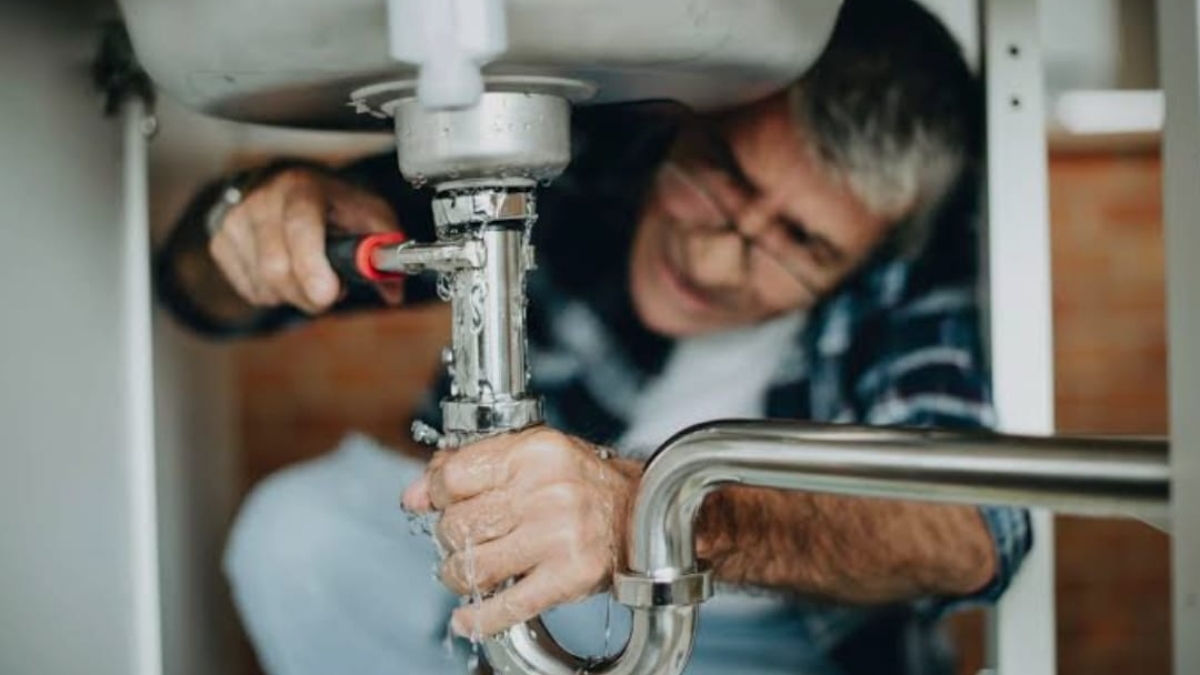
What to Do If You Have a Burst Pipe
Burst pipe repair becomes urgent the moment water starts leaking into your home. A burst pipe is one of the most damaging plumbing problems a homeowner can face, as water can spread rapidly, soaking walls, ceilings, flooring, insulation, and even electrical wiring within minutes. Acting quickly and calmly can dramatically reduce damage and lower repair costs.
At Emergix, we handle burst pipe emergencies throughout the year, especially during freezing weather. Many homeowners panic when it happens, but knowing the correct steps makes all the difference. Below is a complete guide explaining exactly what to do if a pipe bursts in your property.
Step 1: Turn Off the Main Water Supply
The first and most important step is to stop the water flow immediately.
Locate your main stopcock and turn it clockwise to shut off the water supply. It is typically found:
- Under the kitchen sink
- Inside a utility cupboard
- Near where the water pipe enters your home
- In the garage or basement
If you live in a flat, it may be located in a shared service area.
If the leak is coming from a specific appliance like a washing machine or dishwasher, you can shut off its isolation valve instead.
Knowing the location of your stopcock before an emergency happens can save precious time.
Step 2: Switch Off Electricity If Needed
If water is leaking near:
- Electrical sockets
- Light fittings
- Appliances
- Fuse box
Switch off your power at the consumer unit immediately.
Never touch wet electrical equipment. If you are unsure about safety, wait for a qualified professional to inspect the area before restoring power.
Step 3: Drain the Plumbing System
After turning off the water supply:
- Open all cold taps in the house.
- Flush toilets to empty the cisterns.
- Then open hot taps to drain remaining water.
This helps remove trapped water and reduces pressure in the pipes.
If the heating system is affected, switch off your boiler to prevent it from running without water.
Step 4: Contain the Leak
While waiting for professional assistance, try to control escaping water.
- Place buckets or containers under the leak
- Use thick towels to absorb water
- Wrap a cloth or waterproof tape around the damaged section
- Move items away from the affected area
If you notice a ceiling bulging with water, do not stand directly underneath it. Waterlogged plasterboard can collapse without warning.
Temporary measures only slow the damage. Proper burst pipe repair is still necessary.
Step 5: Protect Furniture and Belongings
Water damage spreads fast, so act quickly.
- Move furniture out of wet areas
- Lift rugs and carpets
- Place foil or plastic under heavy furniture legs
- Remove electronics and valuables
- Relocate important documents
Quick action reduces long-term restoration expenses and prevents mould growth.
Step 6: Call a Professional Plumber
Once immediate risks are controlled, contact a qualified plumbing specialist.
DIY fixes may seem tempting, but they rarely provide long-term solutions. Improper repairs can cause further pipe failure or hidden leaks.
At Emergix, our engineers:
- Identify the exact location of the burst
- Replace damaged pipe sections
- Pressure test the system
- Inspect surrounding pipework
- Ensure heating systems are functioning safely
Fast professional response ensures your plumbing system is restored correctly and safely.
Step 7: Document the Damage for Insurance
If significant water damage has occurred:
- Take clear photos and videos
- Note the time and date
- List affected items
- Keep receipts for emergency services
Insurance companies usually require detailed evidence when processing claims.
Do not dispose of damaged items until approved by your insurer.
What Causes Pipes to Burst?
Understanding the cause helps prevent future problems.
1. Freezing Temperature
Water expands when frozen, increasing internal pipe pressure until it cracks.
2. Corrosion
Older metal pipes weaken over time due to rust and mineral buildup.
3. High Water Pressure
Excessive pressure stresses joints and connections.
4. Poor Installation
Incorrect fittings or unsupported pipes may fail over time.
5. Ageing Plumbing Systems
Outdated pipework is more vulnerable to sudden failure.
How to Prevent Burst Pipes in the Future
Preventative care is always more affordable than emergency repair.
Insulate Exposed Pipes
Especially in lofts, garages, and exterior walls.
Keep Heating On During Winter
Even low-level heating prevents freezing.
Seal Cold Air Gaps
Block drafts around pipe entry points.
Monitor Water Pressure
Install a pressure regulator if needed.
Schedule Regular Inspections
Routine maintenance identifies weaknesses early.
Taking these measures significantly reduces the risk of needing urgent plumbing assistance.
Warning Signs Before a Pipe Bursts
Sometimes pipes show early symptoms:
- Strange banging noises
- Reduced water pressure
- Visible corrosion
- Damp patches on walls
- Frost forming on pipes
Addressing these signs early can prevent a full pipe failure.
Why Choose Emergix?
When facing a plumbing crisis, experience and fast response matter.
Emergix provides:
Rapid emergency response
Fully qualified engineers
Advanced leak detection tools
Safe, compliant repairs
Transparent pricing
We focus on restoring safety and minimising disruption as quickly as possible.
Frequently Asked Questions (FAQs)
Repair time depends on the location and severity of the damage. Simple repairs may take 1–2 hours, while hidden or complex leaks can take longer.
In many cases, yes. Most home insurance policies cover sudden water damage, but it’s important to check your specific policy details.
Yes. Even a small crack can expand under pressure, leading to a full pipe burst if left untreated.
Costs vary depending on accessibility and damage level. Early intervention usually keeps repair costs lower.