
A Complete Guide to Central Heating System: How It Works, Types, Cost, and Selection
A central heating system is the backbone of comfort in UK homes, especially during long and cold winters. Almost every household relies on a heating system to provide consistent warmth and hot water, making it one of the most essential installations in modern living. Understanding how a central system works, the different types available, and how to choose the right one can help homeowners save money, improve efficiency, and make better long-term decisions.
In this detailed guide by Emergix, we’ll break down everything you need to know — in simple terms — so you can confidently choose the best heating solution for your home.
How Does a Central System Work?
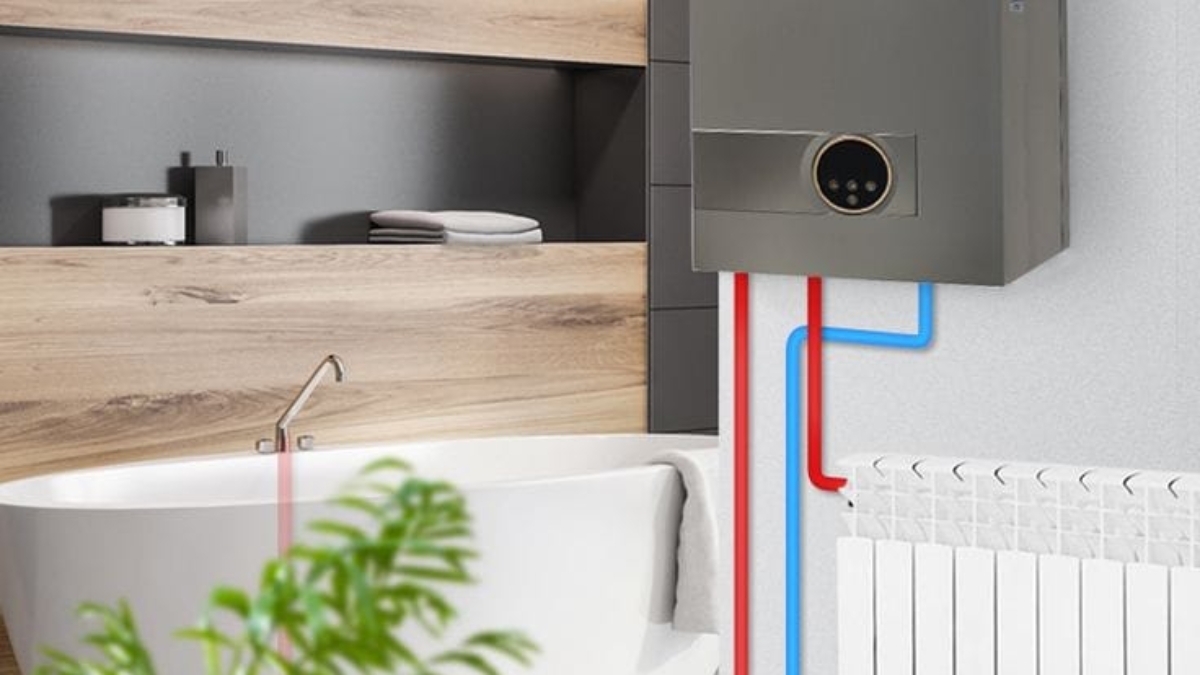
A central heating system works by generating heat in a central location and distributing it evenly throughout your home. Instead of heating individual rooms separately, the system provides controlled warmth using a network of pipes, radiators, or vents.
Here’s a simplified explanation of how it operates:
- A heat source (usually a boiler or heat pump) heats water or air
- Heat is distributed through pipes or ducts
- Radiators or underfloor systems release warmth into rooms
- Thermostats regulate temperature automatically
This setup allows for better energy efficiency, consistent heating, and easier temperature control across the property.
Why it is So Popular in the UK
Central systems are preferred over fireplaces and portable heaters because they offer:
- Even temperature distribution
- Automated heating control
- Improved energy efficiency
- Increased property value
- Better safety and comfort
Due to these benefits, the central system has become a standard requirement in UK homes.
Types of Central Heating Systems
There are several types of central heating systems available, each suited to different property sizes, budgets, and fuel availability.
1. Warm Air
A warm air heating system heats air and circulates it through ducts and vents. This was popular in older properties but is less common today.
Pros:
- Quick heating
- No radiators needed
Cons:
- Expensive to install
- Not ideal for small homes
- Limited temperature zoning
Best suited for large buildings or properties designed specifically for ducted systems.
2. District Heating System
District heating uses a central energy source to supply heat to multiple buildings through insulated underground pipes.
Pros:
- Highly energy-efficient
- Lower carbon emissions
- Minimal maintenance for homeowners
Cons:
- Limited availability
- No individual system control
This heating system is growing in popularity due to sustainability goals.
3. Wet Central Heating System
The wet heating system is the most common type in the UK. It uses hot water circulated through radiators or underfloor heating.
Key components:
- Boiler
- Radiators or underfloor pipes
- Thermostats and valves
Boiler options include:
- Combi boilers
- System boilers
- Regular boilers
This system is efficient, flexible, and suitable for most homes.
4. Electric Storage System
Electric storage heating systems store heat during off-peak hours and release it when needed.
Pros:
- No gas connection required
- Lower installation cost
Cons:
- Less control
- Can be expensive to run
Best suited for flats or properties without gas access.
Central Heating Systems by Fuel Type
Choosing the right fuel plays a major role in efficiency and running costs.
Gas Heating System
Gas remains the most widely used fuel for central systems in the UK.
Advantages:
- Affordable running costs
- Reliable heat output
- Wide availability
However, due to environmental concerns, gas boilers are gradually being phased out.
Electric Heating System
Electric boilers and heat pumps are cleaner alternatives.
Benefits:
- Lower emissions
- No combustion gases
- Ideal for future-proof homes
Electric-based central heating systems are becoming increasingly popular.
Oil Central System
Used mainly in rural areas without gas supply.
Pros:
- Strong heat output
- Independent fuel storage
Cons:
- Higher fuel costs
- Requires tank maintenance
Biomass Central System
Biomass boilers use renewable materials like wood pellets.
Pros:
- Environmentally friendly
- Renewable energy source
Cons:
- High installation cost
- Requires storage space
Cost of Installing a Heating System
The cost of installing a central system depends on several factors:
- Property size
- Boiler type
- Number of radiators
- Pipework condition
- Labour time
Average Cost Breakdown (UK):
|
Installation Type |
Estimated Cost |
|
Small home |
£2,000 – £5,000 |
|
Medium home |
£5,000 – £8,000 |
|
Full system (new build) |
£10,000 – £16,000 |
|
Extra heating zone |
£1,000 – £2,000 |
Costs may rise if existing pipework or radiators need replacement.
How to Choose the Best Central Heating System
Selecting the right central system is a long-term decision. Consider the following:
1. Property Size
Larger homes require more powerful systems.
2. Fuel Availability
Check whether gas, electricity, or oil is accessible.
3. Energy Efficiency
Higher efficiency means lower bills.
4. Installation Budget
Balance upfront cost with long-term savings.
5. Environmental Impact
Low-carbon systems are future-proof.
Signs Your Heating System Needs Upgrading
- Rising energy bills
- Uneven heating
- Frequent breakdowns
- System older than 15 years
- Poor temperature control
Upgrading your heating system can significantly improve comfort and efficiency.
Benefits of a Modern Heating System
- Reduced heating costs
- Better temperature control
- Lower carbon footprint
- Increased property value
- Improved reliability
Final Thoughts
A well-designed central heating system is essential for comfort, efficiency, and long-term savings. By understanding how it works, the types available, and the costs involved, homeowners can make informed decisions that suit their property and lifestyle.
Whether you’re upgrading an old setup or installing a new system, choosing the right heating system ensures consistent warmth, reduced energy waste, and peace of mind for years to come.
Frequently Asked Questions (FAQs)
A central heating system heats the whole home from one main source like a boiler and distributes heat through radiators or pipes.
A wet central heating system with a combi boiler is most popular and efficient for UK homes.
Installing a central heating system usually costs between £2,000–£5,000, depending on home size.
A central heating system typically lasts 10–15 years with proper maintenance.