
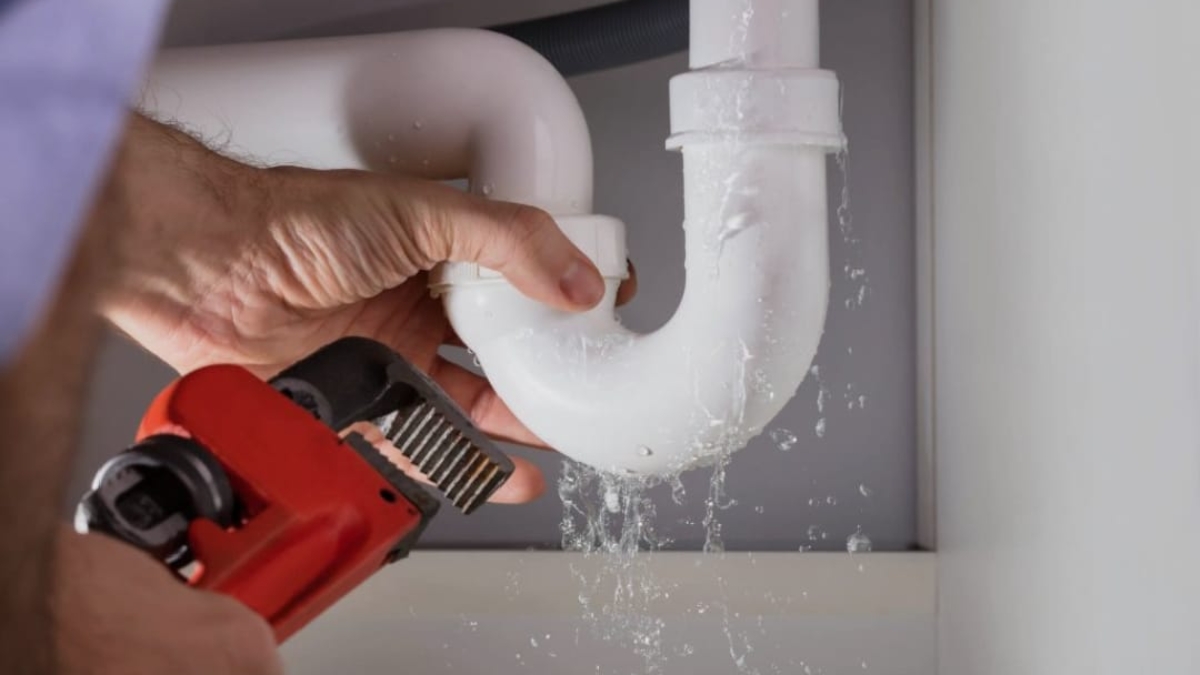
How to Turn Off Your Water Supply in a Plumbing Emergency
A plumbing emergency can happen without warning — a burst pipe, overflowing toilet, leaking appliance, or sudden water flooding your kitchen. In those critical moments, knowing how to turn off your water supply can prevent severe structural damage and reduce costly repairs. Acting quickly is the difference between a minor issue and a major disaster.
At Emergix, we regularly assist homeowners dealing with urgent plumbing situations. One thing we always say: every homeowner should know exactly where their stopcock is located before an emergency occurs.
This complete guide explains how to safely shut off your water supply and what to do next.
Why Turning Off the Water Supply Is So Important
When a pipe bursts, water can pour into your property at an alarming rate — sometimes hundreds of litres per hour. Within minutes, water can:
- Soak carpets and flooring
- Damage plaster and ceiling
- Affect electrical wiring
- Ruin furniture and appliances
- Create mould risks
Stopping the mains water supply immediately limits damage and gives you time to call a professional plumber.
Even a small leak can escalate rapidly if water continues flowing under pressure.
Step 1: Locate Your Main Stopcock
Your stopcock (also called a stop valve or mains shut-off valve) controls the flow of water entering your property.
In most UK homes, you can find it in one of these locations:
- Under the kitchen sink (most common)
- Inside a utility cupboard
- Under the stairs
- In a downstairs toilet
- Near where the water pipe enters the house
In older or rural properties, it may be:
- In a cellar or basement
- Inside the garage
- Outside in a water meter box near the property boundary
If it’s located outside, you may need a stopcock key to access it.
Tip: If you’ve never located your stopcock before, check today — not during an emergency.
Step 2: Turn Off the Stopcock Properly
Once located, turn the stopcock clockwise (to the right).
- Turn slowly but firmly
- Do not force it aggressively
- Continue turning until it stops
To check if it’s closed:
- Open a cold tap.
- Water flow should slow and stop within seconds.
If water continues running strongly, the valve may be faulty or partially stuck. In that case, professional assistance is needed.
Step 3: Drain Remaining Water from the System
After shutting off the mains supply:
- Open all cold taps (start upstairs if you have multiple floors)
- Flush toilets to empty cisterns
- Then open hot taps
This drains remaining water from pipes and reduces internal pressure.
If the emergency involves your heating system, turn off the boiler to prevent it running without water.
Step 4: Isolate Specific Appliances (If Possible)
Not every plumbing emergency requires turning off the entire home’s water supply.
For issues involving:
- Washing machines
- Dishwashers
- Toilets
- Sinks
You can use isolation valves instead.
These small valves are located on pipes feeding individual appliances.
To close them:
- Use a screwdriver
- Turn the slot 90 degrees (quarter turn)
- The slot should sit across the pipe when closed
This stops water flow to that fixture only, allowing the rest of your home to remain operational.
Step 5: Turn Off Electricity If Necessary
If water is leaking near:
- Electrical sockets
- Light fittings
- Appliances
- Fuse board
Switch off electricity at the consumer unit immediately.
Never touch electrical items exposed to water. Safety always comes first.
Step 6: Call a Professional Plumber
Once the water is off and the situation is stable, contact a qualified plumber.
At Emergix, our emergency team:
- Identifies the source of the issue
- Repairs damaged pipes
- Tests the system safely
- Restores water supply correctly
- Checks for hidden leaks
Trying to fix serious plumbing problems without experience can cause further damage.
How to Turn the Water Back On Safely
After the repair is completed:
- Ensure all taps are closed.
- Turn the stopcock anti-clockwise (to the left) slowly.
- Open a tap slightly to release trapped air.
- Allow water to flow steadily before closing taps fully.
If you hear unusual noises or see further leaks, switch off the water again and contact your plumber.
Common Problems with Stopcocks
Sometimes stopcocks themselves can cause issues:
Stiff or Stuck Valve
Older valves may seize due to lack of use.
Leaking Stopcock
Worn seals can cause dripping.
Broken Valve
Forcing it too hard can damage internal components.
To prevent issues:
- Test your stopcock every 6 months
- Turn it off and back on briefly
- Ensure it moves freely
Routine checks help ensure it works when needed most.
When Is It a Serious Plumbing Emergency?
You should act immediately if:
- Water is flooding rapidly
- A pipe has burst
- Ceiling is sagging with water
- Drains are backing up
- Heating fails during freezing weather
Delaying action can lead to structural damage, mould growth, and high restoration costs.
Extra Prevention Tips
- Insulate exposed pipes
- Monitor water pressure
- Fix small leaks early
- Schedule annual plumbing inspections
- Label your stopcock clearly
If you live with family members, make sure everyone knows where the stopcock is located. In an emergency, quick action can prevent thousands of pounds in damage.
Why Choose Emergix?
When facing urgent plumbing issues, you need a reliable and fast response.
Emergix provides:
24/7 emergency support
Qualified plumbing engineers
Fast response times
Transparent pricing
Safe and compliant repairs
We understand that plumbing emergencies are stressful. Our goal is to restore safety and comfort to your home as quickly as possible.
Frequently Asked Questions (FAQs)
A plumbing emergency includes burst pipes, major leaks, flooding, sewage backups, or loss of heating during cold weather.
In most UK homes, it is under the kitchen sink, in a utility cupboard, or near where the mains pipe enters the property.
Yes, if the heating system is affected, turning off the boiler prevents damage caused by running it without water.
Minor issues may be manageable, but serious leaks and burst pipes require professional repair to avoid further damage.