
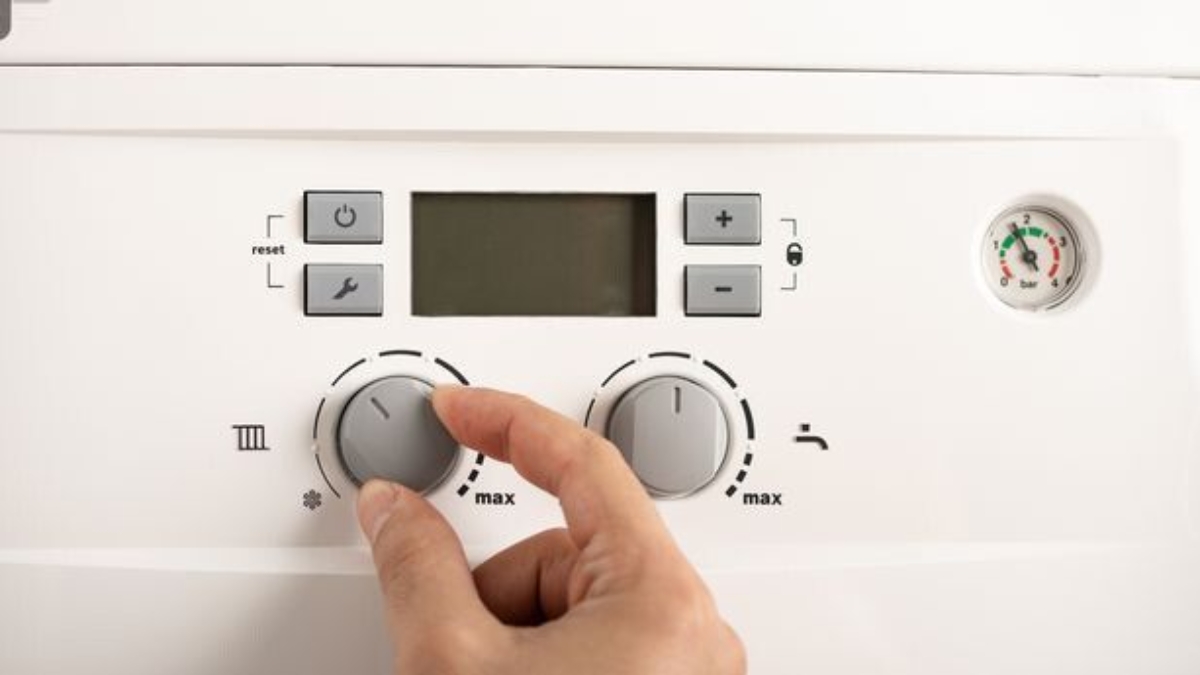
Boiler Losing Pressure But No Leaks: Hidden Causes Explained
If your boiler losing pressure but no leaks are visible, it can be frustrating and confusing for homeowners. Normally, a drop in boiler pressure indicates that water is escaping somewhere in the central heating system. However, when there are no visible leaks, the problem may be caused by hidden faults within the boiler or heating system.
A boiler losing pressure but no leaks could indicate issues such as a faulty expansion vessel, malfunctioning pressure relief valve, trapped air in radiators, or sludge buildup in the system. These hidden problems can gradually reduce boiler pressure and affect your heating system’s efficiency.
Can a Boiler Lose Pressure Without a Leak?
Yes, it is possible for a boiler losing pressure but no leaks to occur. While visible water leaks are the most common reason for pressure loss, several internal components inside the boiler can also cause pressure to drop.
In many cases, water may be escaping through external discharge pipes, evaporating quickly, or being released internally through safety valves. Because these issues are not always visible, homeowners may assume there are no leaks even though the system is slowly losing pressure.
Some common reasons include:
- Internal component failure
- Faulty pressure relief valves
- Expansion vessel problems
- Air trapped inside the system
- Corrosion or sludge buildup in pipework
Recognising the symptoms early helps prevent further damage to your central heating system.
Common Signs Your Boiler Is Losing Pressure
Before identifying the cause of boiler losing pressure but no leaks, it is helpful to recognise the warning signs.
Typical symptoms include:
- Boiler pressure gauge dropping below 1 bar
- Radiators not heating properly
- Boiler frequently shutting down
- Need to top up pressure regularly
- Gurgling noises in radiators
- Heating system working less efficiently
If you notice these signs repeatedly, your heating system may require inspection by a Gas Safe registered engineer.
Hidden Causes of Boiler Losing Pressure But No Leaks
1. Faulty Pressure Relief Valve
A pressure relief valve (PRV) is a safety component designed to release excess pressure from the heating system.
If the valve becomes worn or damaged, it may start releasing small amounts of water even when pressure levels are normal. Because the discharge pipe usually runs outside the house, this water release may go unnoticed.
Signs of a faulty PRV:
- Boiler pressure drops frequently
- Water dripping from the outside pipe
- Boiler pressure drops after heating cycle
Solution
A heating engineer will inspect the discharge pipe and replace the faulty pressure relief valve if necessary.
- Faulty Expansion Vessel
The expansion vessel plays an important role in maintaining stable pressure within your boiler system.
When water heats up, it expands. The expansion vessel absorbs this extra pressure and prevents damage to the heating system.
However, if the vessel becomes faulty, the system may push water out through the pressure relief valve, causing the boiler losing pressure but no leaks issue.
Signs of expansion vessel problems:
- Pressure increases during heating
- Pressure drops when the boiler cools
- Frequent pressure fluctuations
Solution
A qualified engineer will check the air pressure inside the expansion vessel and recharge or replace it if necessary.
- Air Trapped in the Heating System
Air pockets trapped inside the central heating system can also cause boiler losing pressure but no leaks problems.
Air inside radiators disrupts water circulation, making the system inefficient. When radiators are bled to remove air, some water escapes as well, which can lower the pressure level.
Signs of trapped air include:
- Radiators cold at the top
- Gurgling or bubbling sounds
- Reduced heating performance
Solution
Bleeding the radiators and repressurising the boiler usually solves this issue.
- Leaking Schrader Valve
The Schrader valve is a small valve located on the expansion vessel. It allows engineers to measure or refill the air pressure inside the vessel.
If this valve becomes damaged or worn, it may leak air slowly. As the air escapes, the expansion vessel cannot function properly, causing water to discharge through the pressure relief valve.
This cycle can lead to continuous boiler losing pressure but no leaks symptoms.
Solution
An engineer will replace the faulty Schrader valve and recharge the expansion vessel.
- Sludge and Corrosion in the System
Over time, sludge and corrosion can build up inside pipes and radiators. This sludge is formed from rust, dirt, and debris circulating within the heating system.
Sludge restricts water flow and forces the boiler to work harder, which may lead to pressure problems.
Common symptoms of sludge buildup:
- Radiators cold at the bottom
- Dirty water when bleeding radiators
- Boiler making unusual noises
- Reduced heating efficiency
Solution
A professional power flush removes sludge and restores normal system performance.
- Faulty Boiler Pressure Gauge
Sometimes the issue is not pressure loss but a faulty pressure gauge displaying incorrect readings.
A worn or clogged gauge may:
- Show incorrect pressure readings
- Stick at one level
- Drop suddenly without reason
Solution
A heating engineer will test the actual system pressure and replace the gauge if it is faulty.
Boiler Pressure Levels Explained
Understanding normal pressure levels can help identify when your boiler losing pressure but no leaks problem requires attention.
|
Boiler Condition |
Pressure Level |
Meaning |
|
Cold Boiler |
1.0 – 1.5 bar |
Normal pressure |
|
Heating Running |
1.5 – 2.0 bar |
Normal operating range |
|
Too Low |
Below 1.0 bar |
Heating may stop working |
|
Too High |
Above 2.5 bar |
Risk of system damage |
Maintaining the correct pressure level ensures efficient boiler operation and prevents heating system failures.
DIY Checks for Boiler Pressure Loss
There are a few simple checks homeowners can perform when experiencing boiler losing pressure but no leaks.
Basic checks include:
Check the pressure gauge
Ensure the reading is accurate and not stuck.
Bleed the radiators
Remove trapped air from radiators to restore circulation.
Inspect visible pipework
Look for damp patches or water marks near radiators.
Repressurise the boiler
Use the filling loop to restore pressure between 1–1.5 bar.
However, if the pressure keeps dropping repeatedly, professional help is necessary.
How to Prevent Boiler Pressure Problems
Preventing boiler losing pressure but no leaks issues requires regular heating system maintenance.
Helpful prevention tips:
- Schedule annual boiler servicing
- Install a magnetic filter
- Perform periodic system flushing
- Check radiator performance regularly
- Maintain correct boiler pressure
Regular maintenance improves heating efficiency and prevents unexpected boiler breakdowns.
When to Call a Heating Engineer
If your boiler losing pressure but no leaks problem continues after basic checks, you should contact a qualified heating engineer.
Professional engineers can:
- Diagnose hidden internal faults
- Replace damaged boiler components
- Balance the heating system
- Restore safe boiler pressure levels
Ignoring pressure loss may eventually cause your boiler to shut down completely.
Final Thoughts
A boiler losing pressure but no leaks situation can be confusing, but it is usually caused by hidden faults inside the heating system. Issues such as faulty expansion vessels, malfunctioning pressure relief valves, trapped air, or sludge buildup are common reasons behind pressure loss.
By understanding the possible causes and recognising early warning signs, homeowners can take action before the problem leads to costly repairs.
If the pressure continues to drop frequently, it is always best to consult a Gas Safe registered engineer to ensure your heating system remains safe and efficient.
Frequently Asked Questions (FAQs)
Your boiler losing pressure but no leaks may be caused by hidden issues such as a faulty expansion vessel, pressure relief valve, trapped air, or sludge buildup in the heating system.
Yes, air trapped in radiators or pipework can disrupt water circulation and cause the boiler pressure to drop.
Low boiler pressure can prevent your heating system from working efficiently. While not always dangerous, it should be checked by a professional if it happens frequently.
Most boilers operate between 1 and 1.5 bar when cold and up to 2 bar when heating is active.