how to reset Ideal Logic Combi 30 boiler

How to Reset Ideal Logic Combi 30 Boiler

how to reset Ideal Logic Combi 30 boiler

If your boiler suddenly stops working, the first reaction is usually panic especially when there’s no heating or hot water. The good news is that many common boiler issues can be resolved safely at home. This guide explains how to reset Ideal Logic Combi 30 boiler correctly, why lockouts happen, and when a reset is no longer the right solution.

This is not just a basic reset guide. It’s written from an engineer-level perspective to help you understand what’s happening, not just what button to press.

Why Ideal Logic Combi 30 Boilers Go Into Lockout

Before learning how to reset Ideal Logic Combi 30 boiler, it’s important to understand why the boiler shuts down in the first place.

Modern boilers are designed to protect you. When the system detects something unsafe or inefficient, it enters lockout mode. This prevents damage to components and reduces safety risks.

Common triggers include:

  • Low system pressure
  • Ignition or flame failure
  • Frozen or blocked condensate pipe
  • Poor water circulation
  • Temporary gas supply interruption

A reset only works if the underlying issue has been resolved.

Safety Checks Before You Reset the Boiler

Any professional engineer will tell you this:
Never reset a boiler blindly.

Before attempting how to reset Ideal Logic Combi 30 boiler, check the following:

  • No gas smell in the property
  • No visible water leaks
  • Boiler casing is intact
  • Pressure gauge is readable
  • No repeated fault code flashing

If anything feels unsafe, stop and contact a Gas Safe engineer immediately.

Step-by-Step: How to Reset Ideal Logic Combi 30 Boiler Safely

This is the correct and manufacturer-approved method for how to reset Ideal Logic Combi 30 boiler.

Step 1: Locate the Reset Button

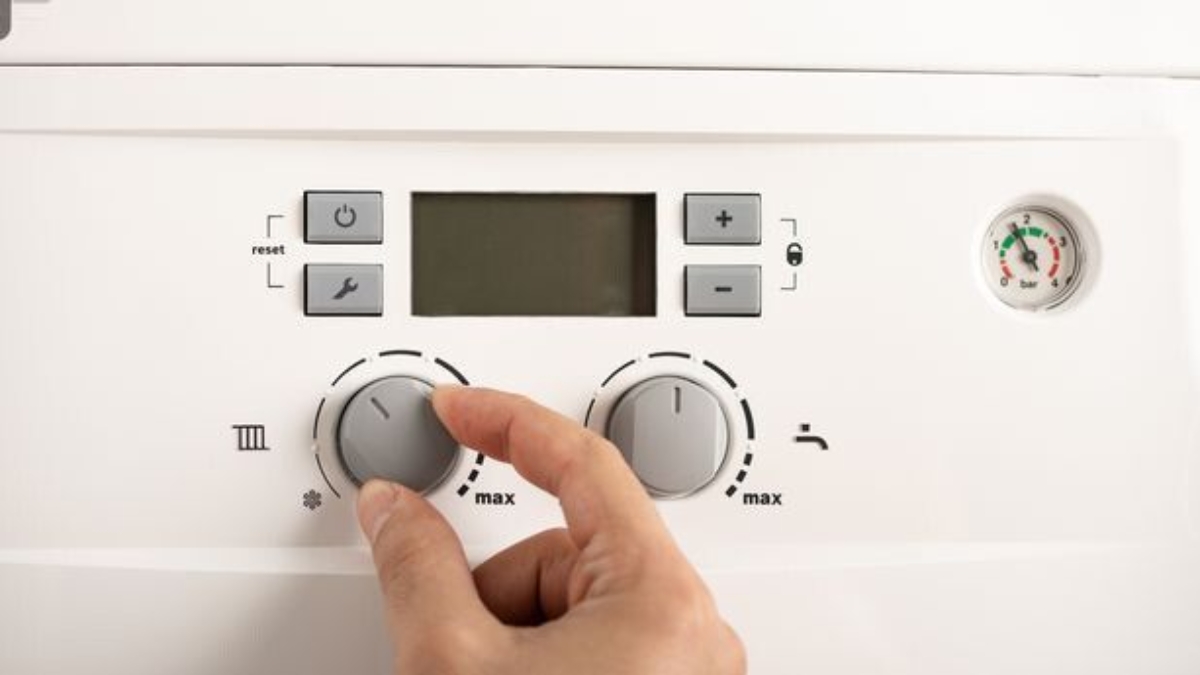
The reset button is on the front control panel. It may be marked with:

  1. “Reset”
    2.  An “R”
    3.  Or built into the mode selector dial

Step 2: Check the Boiler Pressure

Ideal pressure (when cold) is 1.0–1.5 bar.
If pressure is below this, the boiler will not restart.

Top up pressure using the filling loop if required.

Step 3: Press and Hold Reset

Hold the reset button for 3–5 seconds, then release.

Step 4: Wait for Ignition

The boiler will run its ignition sequence.
If successful, heating and hot water will return within a minute.

This process explains  Combi 30 boiler correctly without risking damage.

Boiler Pressure: The #1 Reason Resets Fail

One of the most misunderstood aspects of how to reset Ideal Logic Combi 30 boiler is pressure.

Why pressure drops:

  1. Radiators recently bled
    2. Minor leaks in pipework
    3. Natural system loss over time

If pressure falls below 1.0 bar, the boiler will lock out again — even after a reset.

 Expert tip:
If pressure keeps dropping, resetting is not the solution. The system needs inspection.

Common Scenarios Where a Reset Works

Understanding context is key when learning how to reset Ideal Logic Combi 30 boiler.

A reset usually works if:

  1. There was a brief power cut
    2. Gas supply was temporarily interrupted
    3. Pressure dropped slightly and was corrected
    4. Boiler overheated due to trapped air
    In these cases, a single reset is normal.

When Resetting Is a Bad Idea

This is where most homeowners make mistakes.

Do not keep resetting if:

  1. Boiler locks out repeatedly
    2. Fault code returns instantly
    3. Pressure keeps falling
    4. Boiler only works temporarily

Repeated resets can damage ignition components and sensors.

Frozen Condensate Pipe: A Hidden Winter Problem

In cold UK winters, frozen condensate pipes are a common reason boilers shut down.

Symptoms:

  1. Boiler stops overnight
    2. Gurgling sounds
    3. Fault code appears suddenly

Safely thaw the pipe using warm (not boiling) water, then attempt once.

Prevent this by insulating external condensate pipes.

How Emergix Engineers Handle Repeated Boiler Lockouts

When homeowners contact Emergix, we don’t just reset boilers — we diagnose the root cause.

Our Gas Safe engineers:

  1. Analyse fault codes properly
    2. Test ignition and flame sensors
    3. Check pressure loss causes
    4. Inspect condensate routing
    5. Verify safe combustion

This is why professional repair lasts longer than repeated DIY resets.

Preventing Future Boiler Lockouts

If you don’t want to keep searching how to reset Combi 30 boiler, prevention is key.

1. Annual Boiler Service

A yearly service identifies problems early and improves efficiency.

2. Monitor Pressure Monthly

Keep pressure within the safe range.

3. Bleed Radiators Correctly

Air causes overheating and shutdowns.

4. Insulate Condensate Pipes

Especially in exposed outdoor areas.

Small steps prevent expensive breakdowns.

When to Call a Gas Safe Engineer Immediately

Stop DIY attempts and call a professional if:

  • Reset fails more than once
  • Boiler shows persistent fault codes
  • No heating during cold weather
  • Pressure loss is ongoing

Emergix offers 24/7 emergency boiler repair services across the UK, ensuring your home stays safe and warm.

Final Thoughts

Knowing how to reset Ideal Logic Combi 30 boiler can save time and stress — but only when used correctly. A reset is a short-term fix, not a long-term solution.

If your boiler keeps locking out, the safest and smartest option is professional inspection. Emergix engineers are Gas Safe registered and available 24/7 to handle boiler breakdowns properly — not just temporarily.

Frequently Asked Questions (FAQs)

On the front control panel, often marked “Reset” or integrated into the dial.

Between 1.0 and 1.5 bar when cold.

No. Repeated resets can cause further damage.

combi boiler pipework explained

Combi Boiler Pipework Explained

combi boiler pipework explained

Understanding your heating system can save you from unexpected breakdowns, costly repairs, and poor performance. One of the most overlooked areas is combi boiler pipework explained properly for homeowners. If you’re installing a new boiler or already have one fitted, knowing what each pipe does helps you spot problems early and keep your system running efficiently.

A combi boiler is a compact, all-in-one unit that supplies hot water and central heating directly from the mains. Unlike traditional boilers, it doesn’t need a hot water cylinder or cold-water tank, making it ideal for modern UK homes where space matters.

To function safely and efficiently, the boiler relies on several interconnected pipes. Let’s break down combi boiler pipework explained in a simple, practical way.

How a Combi Boiler Works with Its Pipework

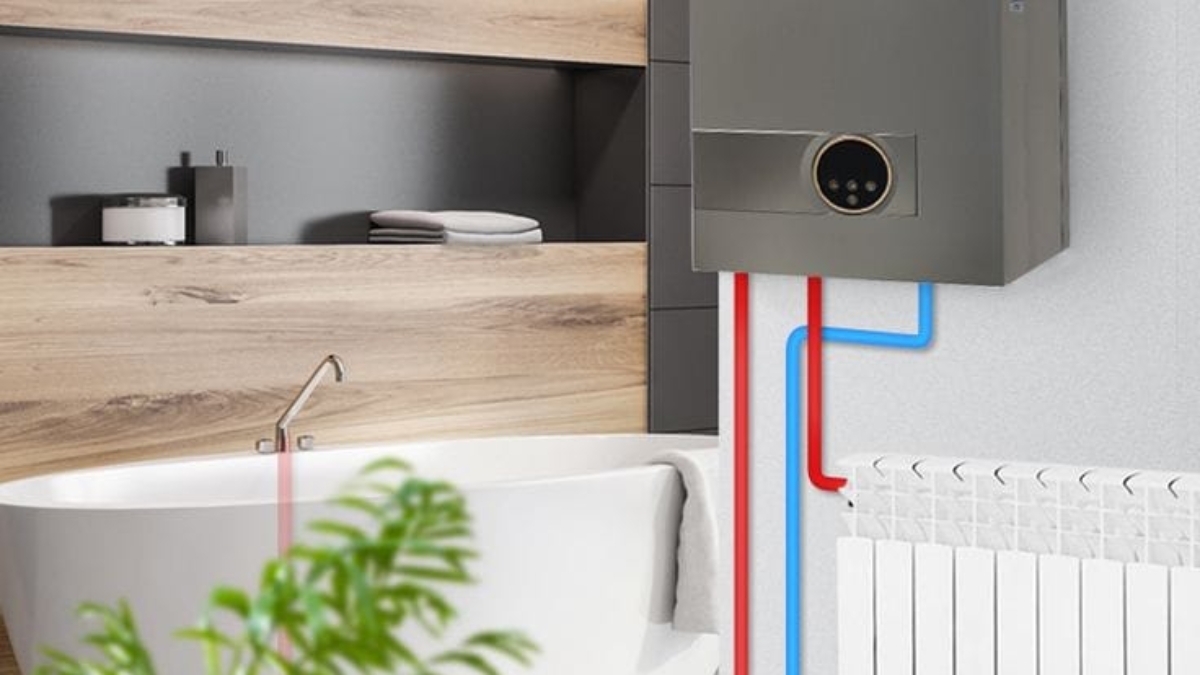
When you turn on a hot tap or your heating system, cold water enters the boiler from the mains. The boiler heats this water instantly using gas combustion, then distributes it through the system.

The entire process depends on correctly installed pipework. Without understanding combi boiler pipework explained, it’s easy to miss early warning signs like pressure drops, leaks, or circulation issues.

Each pipe has a specific job, and even a small fault in one can affect the whole system.

Main Types of Combi Boiler Pipes Explained

Below are the essential pipes found in most UK combi boiler installations.

Gas Supply Pipe

The gas pipe delivers natural gas or LPG to the boiler burner. Correct sizing is critical — an undersized pipe can cause ignition failure, inefficient heating, and repeated boiler lockouts.

Gas pipes are usually made from copper or steel and must only be installed or modified by a Gas Safe registered engineer. This is a core safety rule when it comes to combi boiler pipework explained correctly.

Mains Cold Water Pipe

This pipe supplies cold water directly from the mains into the boiler. The boiler heats this water on demand for taps, showers, and radiators.

Low mains pressure can result in weak hot water flow or fluctuating temperatures. That’s why understanding combi boiler pipework explained helps homeowners recognise pressure-related problems early.

Flow Pipe

The flow pipe carries hot water from the boiler to radiators and heating circuits around your home. It’s usually warm or hot when the heating is on.

If radiators aren’t heating evenly, the issue may lie within the flow pipe — blockages, sludge, or airlocks are common causes in systems where combi boiler pipework explained isn’t well maintained.

Return Pipe

Once water has circulated through the radiators, it returns to the boiler via the return pipe to be reheated.

A faulty return pipe can lead to overheating, pressure issues, or inefficient heating. This is another key area when combi boiler pipework explained properly for system performance.

Condensate Pipe

The condensate pipe removes acidic wastewater produced during the boiler’s condensing process. This pipe often runs externally and is prone to freezing during winter.

Frozen condensate pipes are one of the most common boiler breakdown causes in the UK. Correct insulation and installation are essential — a detail often missed when combi boiler pipework explained poorly.

Boiler Flue

The flue safely expels harmful gases, including carbon monoxide, outside your home. Its position, length, and angle must comply with strict UK Building Regulations.

A damaged or incorrectly positioned flue is a serious safety risk, which is why combi boiler pipework explained must always include professional installation standards.

Pressure Relief Valve and Safety Pipework

The pressure relief valve protects the boiler from dangerous pressure build-ups. If pressure rises too high, it releases water through a discharge pipe.

Frequent pressure releases usually indicate a deeper issue, such as a faulty expansion vessel. Understanding combi boiler explained helps homeowners avoid ignoring these warning signs.

Common Problems with Combi Boiler Pipework

Even a high-quality boiler can fail if the pipework develops faults. Here are the most common issues homeowners face:

  • Frozen or blocked condensate pipes
  • Leaking flow or return pipes
  • Low mains water pressure
  • Airlocks in radiators
  • Undersized or blocked gas pipes
  • Poorly insulated external pipes

Each of these problems directly affects system efficiency. That’s why combi boiler pipework explained knowledge is essential for long-term reliability.

UK Regulations for Combi Boiler Pipework Installation

In the UK, boiler installations must meet strict legal and safety standards. These regulations ensure boilers operate safely and efficiently.

Key requirements include:

  • Installation by a Gas Safe registered engineer
  • Correct pipe sizing for gas and water flow
  • Condensate pipe compliance with HHIC guidance
  • Flue positioning under Building Regulations Part J
  • Energy efficiency compliance under Part L

Once installed, homeowners should receive a Building Regulations Compliance Certificate, confirming the installation meets legal standards. This is a critical part of combi boiler pipework explained responsibly.

Why Regular Boiler Servicing Matters

Pipework issues often develop slowly and go unnoticed until the boiler breaks down. Annual servicing allows engineers to inspect pipes, pressure levels, and safety components before problems escalate.

Regular maintenance improves efficiency, reduces energy bills, and extends the boiler’s lifespan. If you truly understand combi boiler pipework explained, you’ll know servicing isn’t optional — it’s essential.

Final Thoughts

Understanding combi boiler pipework explained properly empowers homeowners to maintain their heating systems, recognise early warning signs, and avoid costly emergencies. While small checks can be done at home, professional installation and servicing are essential for safety and efficiency.

If your boiler shows recurring issues, don’t ignore them — addressing pipework problems early can save you time, money, and stress.

Frequently Asked Questions (FAQs)

A combi boiler typically has gas, mains water, flow, return, condensate, pressure relief, and flue pipes

External condensate pipes without insulation are vulnerable during cold weather. Proper insulation usually solves the issue.

No. Any gas or boiler pipework must only be handled by a Gas Safe registered engineer.

Incorrect sizing can cause pressure drops, inefficient heating, boiler lockouts, and long-term damage.

how old is my boiler

How Old Is My Boiler

how old is my boiler

Your boiler quietly works in the background every day, providing heating and hot water without much thought. But when breakdowns start happening more often, one question becomes unavoidable: how old is my boiler?

Boiler age matters more than most homeowners realise. An ageing boiler is not only more likely to fail, but it can also cost significantly more to run. In this guide, we’ll explain how to accurately check your boiler’s age, how different brands display manufacturing dates, and when replacement becomes the smarter option.

This guide is written from a real-world engineer perspective, not generic advice.

Why Knowing Your Boiler’s Age Is Important

Understanding how old is my boiler helps you make better decisions about repairs, servicing, and replacement.

Older boilers:

  • Break down more frequently
  • Lose efficiency over time
  • Cost more to repair
  • May no longer meet modern safety or efficiency standards

If your boiler is 10 years or older, it’s usually worth evaluating whether repairs still make financial sense.

How to Check the Age of Your Boiler

The most reliable way to determine how old is by checking the serial number.

Most boilers have a data label or barcode that includes:

  • Model number
  • Serial number
  • Manufacturing date (encoded)

You can usually find this:

  • Under the boiler
  • Behind the front flap
  • On the side panel
  • Inside the casing (power off first)

Once you locate the serial number, you can decode the manufacturing date based on the brand.

Can’t Find the Serial Number? Try This

If you’re still unsure don’t worry — this is common.

You can:

  • Check the installation or service paperwork
  • Look for a Benchmark certificate
  • Contact the boiler manufacturer directly
  • Use the Gas Safe or industry installation database

Manufacturers can often identify the manufacturing date from the model and serial number alone.

How Old Is My Ideal Boiler?

Ideal boilers are common across UK homes, and their age can usually be identified from the serial number.

If you’re wondering  and it’s an Ideal model, here’s how it works.

Ideal Mini Boilers

The last four digits of the serial number show the month and year.

Example:
0609 = June 2009.

Ideal Classic Boilers

The serial number is shorter and split into clusters.

The third cluster shows the year and week of manufacture.

Example:
0710 = Year 2010, Week 7

How Old Is My Baxi Boiler?

If you’re checking and it’s a Baxi model:

  • The 4th & 5th digits = year
  • The 6th & 7th digits = week

Example:
BCP080900266ZX
→ Manufactured in 2008, week 9

For boilers made before 2003, Baxi customer support can confirm the age using the serial number.

How Old Is My Worcester Bosch Boiler?

Worcester Bosch boilers don’t clearly display manufacturing dates for homeowners.

  • Contact Worcester Bosch customer support
  • Provide model details, service history, or install records

They can confirm the manufacturing year and installation details.

How Old Is My Vaillant Boiler?

Vaillant boilers usually have a serial number label:

  • On the boiler casing
  • Behind the front panel

The 3rd and 4th digits of the serial number indicate the year.

Example:
05 = Manufactured in 2005

How Old Is My Vokera Boiler?

If you’re asking and it’s a Vokera model:

  • Serial number is on a silver data plate
  • First 8 digits = model number
  • Letter + numbers after indicate month and year

 Important:
If the number starts with digits only, that’s a barcode, not the serial number.

Signs Your Boiler Is Getting Old

Common signs of an ageing boiler include:

  • Reduced heating efficiency
  • Rising energy bills
  • Frequent breakdowns
  • Loud banging or whistling noises
  • Visible leaks
  • Uneven heating or hot water issues

Boilers over 10–12 years old typically operate at below 70% efficiency, while modern boilers reach 90–95%.

Repair or Replace: What Makes More Sense?

A common rule engineers follow:

If repair costs exceed 50% of a new boiler’s value, replacement is usually the better option.

When deciding, consider:

  • Age of the boiler
  • Frequency of faults
  • Availability of spare parts
  • Energy efficiency savings

Cost of a New Boiler in the UK

The cost of a new boiler depends on:

  • Boiler type (Combi, System, Regular)
  • Output rating (kW)
  • Installation complexity
  • Brand and efficiency rating

Many homeowners now choose boiler finance options to spread the cost while benefiting from lower energy bills immediately.

How Emergix Helps Homeowners Make the Right Choice

At Emergix, we don’t push unnecessary replacements.

Our Gas Safe engineers:

  • Assess boiler age and condition
  • Calculate repair vs replacement value
  • Check efficiency and safety
  • Provide honest, practical advice

Whether you need a repair, service, or replacement, we guide you based on facts — not sales pressure.

Final Thoughts

Knowing gives you control over your heating system and your budget. Age alone doesn’t always mean replacement, but combined with inefficiency and frequent faults, it’s often the smartest move.

If you’re unsure about your boiler’s age or condition, a professional inspection can save you money and stress in the long run.

Emergix is available 24/7 across the UK to help with boiler checks, repairs, and replacements — safely and professionally.

Frequently Asked Questions (FAQs)

You can check how old is my boiler by locating the serial number on the boiler casing, under the front panel, or in the installation paperwork. The serial number usually contains the manufacturing date.

Yes. In most UK homes, a boiler that is 10 years or older is considered old. Older boilers are less efficient, more prone to breakdowns, and cost more to run compared to modern models.

Some boilers can still function after 15 years, but efficiency is usually much lower. If you’re asking how old is my boiler and it’s over 15 years old, frequent repairs and higher energy bills are common.

Absolutely. Older boilers often operate at below 70% efficiency, while modern condensing boilers reach 90–95% efficiency, helping reduce heating costs significantly.