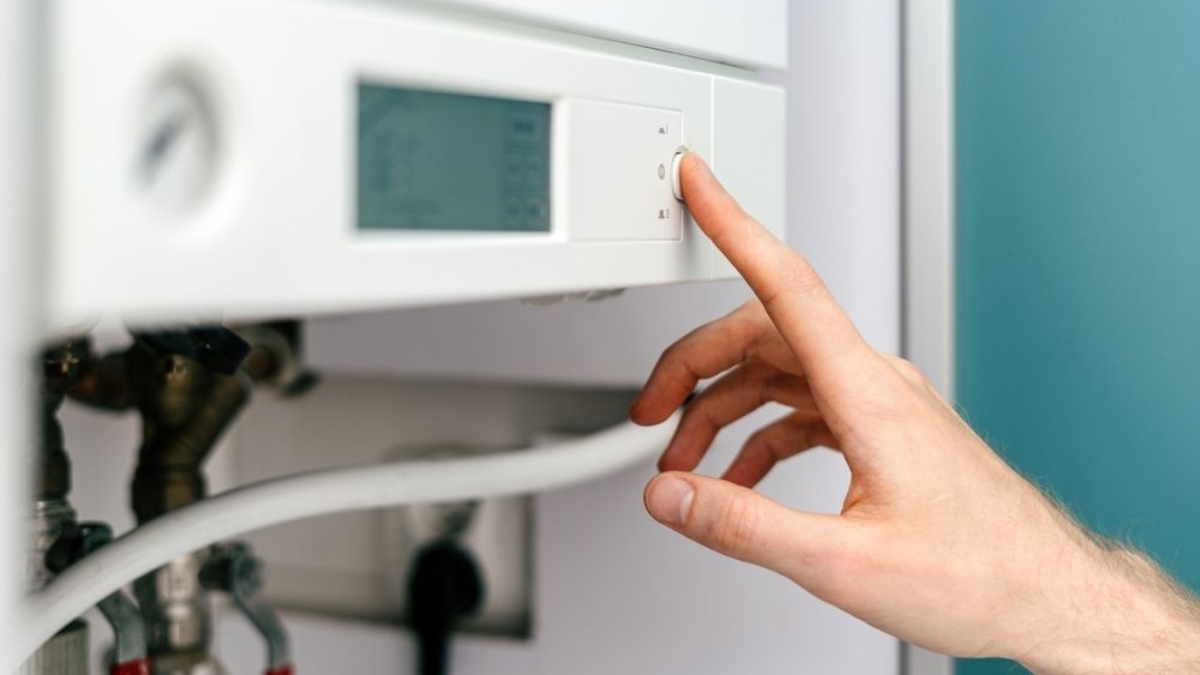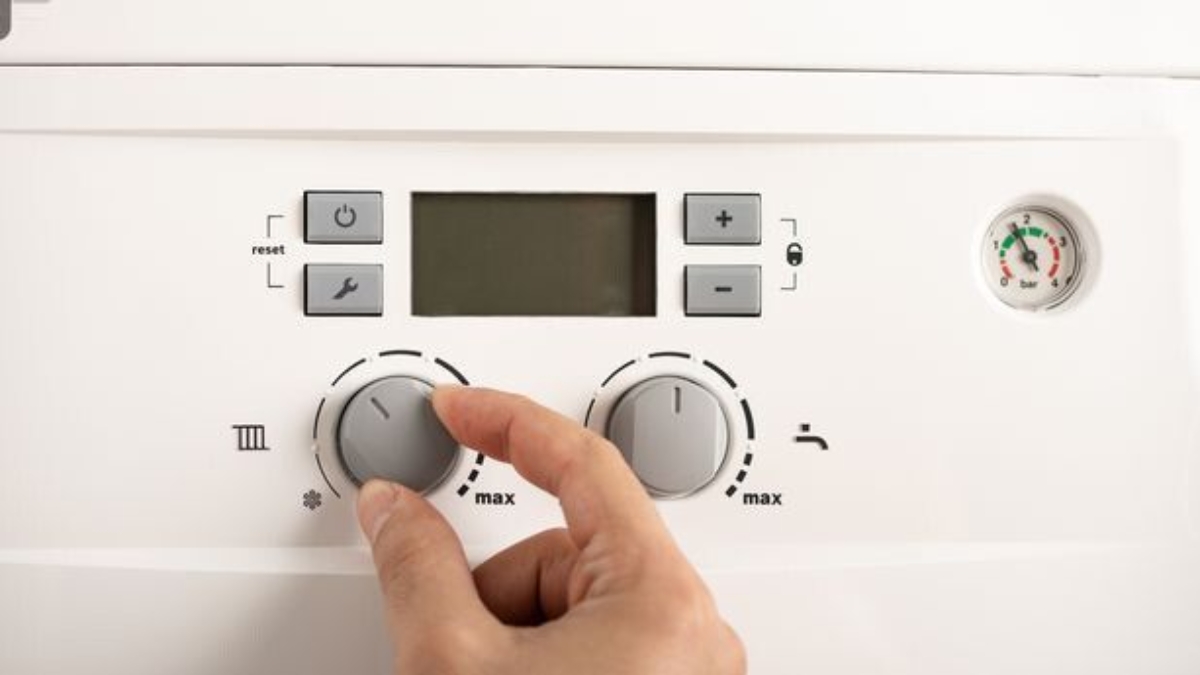
Worcester E9 fault code

Worcester E9 Fault Code: Causes and Fix Guide

Worcester E9 Fault Code: Overheating and System Issues Explained

A Worcester E9 fault code can leave homeowners without heating or hot water, especially during cold winter months when you need your boiler the most. This fault is commonly linked to overheating, meaning your boiler has exceeded its safe operating temperature.

When a Worcester fault code appears, it usually indicates that the system has shut down to prevent internal damage. While this may seem alarming, it is actually a safety feature designed to protect key boiler components.

Understanding the Worcester E9 fault in detail helps you identify the issue early, avoid expensive repairs, and restore your heating system efficiently.

Key Takeaways

  • A Worcester E9 fault code indicates overheating
  • It often relates to circulation or sensor issues
  • Resetting may work in minor cases
  • Repeated faults require professional repair
  • Ignoring the issue can damage internal components

Understanding the Worcester E9 Fault Code

The Worcester E9 fault is directly linked to your boiler’s internal temperature control system. It appears when the temperature inside the boiler rises beyond safe limits.

This fault is usually connected to:

  • Safety temperature limiter
  • Heat exchanger
  • Circulation system
  • Temperature sensors

In many cases, the E9 fault code appears alongside a cause code, which helps identify the exact issue.

Worcester E9 Cause Codes Explained

There are four main cause codes linked to the Worcester fault code, each pointing to a different issue.

Code 219 – Safety Temperature Limiter Triggered

This occurs when the boiler overheats and shuts down.

Possible causes:

  • Poor water circulation
  • Faulty limiter
  • Blocked heat exchanger

Code 220 – Central Heating Circuit Overheating

This fault relates to restricted water flow.

Common reasons:

  • Blocked pipework
  • Limescale buildup
  • Faulty pump

Code 221 – Rapid Temperature Increase

A sudden temperature spike can trigger shutdown.

Likely causes:

  • Airlocks in the system
  • Pump malfunction
  • Sensor misreading

Code 224 – Sensor or PCB Fault

This is usually an electrical issue.

Possible faults:

  • NTC sensor failure
  • PCB damage
  • Wiring problems

Common Causes of Worcester E9 Fault Code

Several issues can trigger a Worcester E9 fault most of which relate to poor heat circulation or faulty components.

Faulty Circulation Pump

The pump is responsible for moving hot water through your heating system. If it fails, heat becomes trapped inside the boiler.

This leads to:

  • Overheating
  • Reduced efficiency
  • System shutdown

A faulty pump is a major cause of the Worcester fault code, especially after long periods of inactivity.

Low Boiler Pressure

Low pressure is one of the most common reasons behind a Worcester E9 fault code.

When pressure drops:

  • Water cannot circulate properly
  • Heat builds up internally
  • The boiler shuts down

This often happens after:

  • Bleeding radiators
  • Small system leaks
  • Recent maintenance

Air Trapped in the System

Air pockets inside radiators or pipes can block water flow.

This causes:

  • Cold spots on radiators
  • Poor heat transfer
  • Boiler overheating

Airlocks are a frequent trigger for the Worcester fault code in older systems.

Blocked Pipes or Filters

Any obstruction in the system can slow down water flow.

Common issues include:

  • Sludge buildup
  • Dirty filters
  • Partially closed valves

Restricted flow increases internal temperature, leading to a Worcester E9 fault code.

Sensor Faults

Temperature sensors monitor the boiler’s internal conditions.

If they fail:

  • Incorrect readings occur
  • Boiler shuts down unnecessarily
  • Fault codes appear

A sensor issue can directly trigger a Worcester E9 fault code.

PCB and Electrical Issues

The PCB controls all boiler operations. If it becomes faulty:

  • Signals may be incorrect
  • Safety shutdowns may occur
  • Error codes may display incorrectly

Electrical faults are a more serious cause of the E9 fault code and require professional repair.

Repair Costs for Worcester E9 Fault Code

Fixing a Worcester E9 fault depends on the root cause. Below are typical UK repair costs:

  • Pump repair or replacement: £200–£350
  • Heat exchanger repair: £250–£500
  • Temperature sensor replacement: £120–£200
  • Safety limiter reset/repair: £120–£250
  • PCB repair or replacement: £200–£400
  • Airlock removal: £100–£180
  • Pressure-related repair: £100–£300

Costs may vary depending on the severity of the issue and your location.

How to Reset Worcester Boiler

In some cases, a simple reset can clear a Worcester E9 fault code, especially after minor pressure adjustments.

Steps to reset:

  • Locate the reset button on the boiler
  • Press and hold for a few seconds
  • Wait for the system to restart
  • Check if heating returns

If the Worcester fault code reappears, further investigation is required.

Can You Fix Worcester E9 Fault Code Yourself?

Some basic checks can be done safely at home, but most causes of a Worcester E9 fault code require expert attention.

Safe DIY checks:

  • Check boiler pressure
  • Reset the system
  • Look for visible leaks

Avoid attempting internal repairs, as this can be dangerous and may void warranties.

When to Call a Professional Engineer

You should contact a heating expert if:

  • The Worcester fault code keeps returning
  • The boiler fails to restart
  • There is no heating or hot water
  • You suspect electrical or internal faults

A qualified engineer can safely diagnose and fix the issue.

Preventing Worcester E9 Fault Code

Regular maintenance helps prevent a Worcester E9 fault code from occurring.

Prevention tips:

  • Schedule annual boiler servicing
  • Maintain correct pressure levels
  • Bleed radiators when needed
  • Keep pipes clean and clear
  • Address small issues early

Preventative care ensures your boiler runs efficiently all year round.

Frequently Asked Questions (FAQs)

It indicates the boiler has overheated and shut down for safety reasons.

Yes, low pressure can restrict water flow and lead to overheating.

Yes, but only if the issue is minor. Repeated resets are not recommended.

It can be serious if ignored, as it may damage internal components.

Vokera boiler red light warning

Vokera Boiler Red Light Warning: Causes and Fixes Guide

Vokera Boiler Red Light Warning: Causes and Fixes

A Vokera boiler red light warning is a common issue homeowners may face when their heating or hot water system is not working properly. Seeing a red light on your boiler can be worrying, especially during colder months when heating is essential.

In most cases, a boiler red light warning means the boiler has entered a safety lockout mode. This is designed to protect the system from damage or unsafe operation. While some issues are minor and easy to fix, others may require professional inspection.

Understanding the reasons behind a Vokera red light warning can help you act quickly and prevent costly repairs.

What Does a Vokera Boiler Red Light Warning Mean?

When you see a Vokera boiler red light warning, it usually means the boiler has shut down due to a fault. This lockout feature prevents the system from operating until the issue is resolved.

As a result:

  • Heating and hot water stop working
  • The boiler requires a reset or repair
  • Safety systems prevent further damage

In some cases, the boiler red light warning may be temporary. However, if it happens repeatedly, it often indicates a deeper issue within the boiler.

Different Red Light Combinations

Understanding light combinations can help diagnose the problem behind a boiler red light warning.

Red Light and Green Light On

If both lights are on or flashing:

  • Water pressure may be too high or too low
  • Temperature sensors may not be working correctly
  • The boiler may have recently been serviced

This situation often links to pressure-related issues connected to the Vokera boiler red light warning.

Green Light Off and Red Light On

This is the most common form of Vokera boiler red light indicates a lockout condition.

Possible causes include:

  • Ignition failure
  • Pump circulation problems
  • Overheating

Red Light Off and Green Light On

If only the green light is visible:

  • The boiler is working normally
  • A flashing green light may indicate standby mode or a minor sensor issue

Common Causes of Vokera Boiler Red Light Warning

Several faults can trigger a Vokera red light warning, ranging from minor issues to more serious component failures.

Ignition or Flame Failure

If the boiler cannot ignite gas or detect a flame, it will shut down for safety reasons.

Common reasons include:

  • Faulty burner
  • Gas supply interruption
  • Frozen condensate pipe
  • Ignition component failure

This is one of the leading causes of a Vokera boiler red light warning.

Faulty Sensors or Components

Modern boilers rely on sensors to regulate temperature and pressure. If these components fail, the system may shut down.

Faulty parts may include:

  • Temperature sensors
  • Valves
  • Internal pumps

A malfunction in these components often triggers a boiler red light warning.

Frozen Condensate Pipe

During winter, condensate pipes can freeze, blocking waste water flow.

This causes:

  • Internal pressure buildup
  • Boiler shutdown
  • Red warning light

Frozen pipes are a seasonal cause of Vokera red light warning in UK homes.

Fan Problems

The boiler fan helps remove harmful gases. If it stops working, the boiler will shut down for safety.

A faulty fan can lead to:

  • Gas buildup risk
  • Immediate system shutdown
  • Persistent red light warning

Water Pressure Issues

Incorrect water pressure is a common cause of Vokera red light warning.

Problems include:

  • Low pressure (below 1 bar)
  • High pressure (above safe limits)

Maintaining proper pressure is essential for smooth boiler operation.

Repair Costs for Boiler Red Light Warning

The cost of fixing a boiler red light warning depends on the issue.

Typical UK repair costs include:

  • Call-out and diagnosis: £79–£120
  • Minor adjustments or reset: £79–£100
  • Ignition or flame sensor repair: £100–£180
  • Pump replacement: £150–£300
  • PCB replacement: £200–£400
  • Full repair service: £79–£250
  • New boiler installation: £1500–£2500

Costs may vary depending on location and the severity of the fault.

How to Fix Low Boiler Pressure

Low pressure is a common reason for a Vokera red light warning, and it can sometimes be fixed at home.

Follow these steps:

  • Turn off the boiler and allow it to cool
  • Locate the filling loop under the boiler
  • Open the valves slowly
  • Wait until pressure reaches around 1.5 bar
  • Close valves and restart the boiler

If pressure is too high, bleeding radiators can help balance the system.

Can You Fix a Vokera Boiler Warning Yourself?

While some basic checks are safe, most issues causing a Vokera boiler red light warning require professional repair.

Safe checks include:

  • Resetting the boiler
  • Checking pressure levels
  • Ensuring the boiler is not in service mode

However, gas-related repairs should always be handled by a qualified engineer.

How to Reset a Vokera Boiler

Resetting your boiler can sometimes clear a Vokera red light warning.

Steps to follow:

  • Locate the reset button on the control panel
  • Press and hold for a few seconds
  • Wait for the system to restart
  • Check heating and hot water

If the issue continues after reset, it may indicate a more serious fault.

When to Call a Professional

You should contact a professional if:

  • The red light keeps returning
  • The boiler fails to restart
  • Heating and hot water are not working
  • You suspect internal component failure

Persistent Vokera boiler red light warning issues often require expert diagnosis and repair.

Preventing Future Boiler Issues

Regular maintenance can reduce the chances of a boiler red light warning.

Homeowners should:

  • Schedule annual boiler servicing
  • Keep pressure within the correct range
  • Insulate pipes during winter
  • Address small issues early

Preventive care helps improve efficiency and extend boiler lifespan.

Frequently Asked Questions (FAQs)

It means the boiler has entered lockout mode due to a fault and needs to be reset or repaired.

Yes, a reset can sometimes fix minor issues, but repeated faults require professional help.

It can indicate a safety shutdown, so it should not be ignored.

Low pressure, ignition failure, and frozen condensate pipes are common causes.

boiler keeps switching off in Kensington

Why Your Boiler Keeps Switching Off in Kensington

If your boiler keeps switching off in Kensington, it can be frustrating, especially during cold months. A boiler that repeatedly turns off may leave your home without heating or hot water, increase energy bills, and disrupt your daily life.

Homes in Kensington often have older pipework, traditional radiators, and ageing boiler systems. These factors can contribute to a situation where your boiler keeps switching off in Kensington frequently. Understanding the causes will help you act promptly and prevent costly repairs.

Common Reasons Your Boiler Keeps Switching Off in Kensington

There are several factors that can cause your boiler to keep switching off in Kensington. Identifying the issue early can save time, money, and stress.

1. Low Boiler Pressure

A boiler operates efficiently within a specific pressure range (usually 1–1.5 bar). If pressure drops too low:

  • Your boiler may fail to ignite
  • Heating may stop mid-cycle
  • Hot water may become inconsistent

Low pressure is one of the main reasons a boiler keeps switching off in Kensington, often caused by:

  • Small leaks in pipework or radiators
  • Recently bled radiators
  • Faulty pressure relief valves

Solution: Repressurise your boiler using the filling loop or contact a qualified engineer if the problem persists.

2. Faulty Thermostat

A faulty thermostat can trigger your boiler to switch off unexpectedly. Signs include:

  • Random heating on/off cycles
  • Incorrect room temperature readings
  • Boiler firing but no heat

If your boiler keeps switching off in Kensington, always check the thermostat settings first. If adjusting the settings doesn’t help, a professional engineer should inspect it.

3. Airlocks in the System

Air trapped in radiators or pipes can disrupt water circulation and cause your boiler to keep switching off in Kensington. Common signs:

  • Cold spots in radiators
  • Gurgling noises in the system
  • Uneven heating across rooms

Solution: Bleed all radiators to remove trapped air and restore proper water flow.

4. Faulty Pump

The boiler pump moves water throughout your heating system. If the pump is blocked or failing, your boiler keeps switching off in Kensington due to overheating.

Signs of pump failure:

  • Some radiators are warm, others cold
  • Strange noises from the boiler
  • Boiler shuts down mid-cycle

Solution: A Gas Safe engineer can inspect and replace the pump if necessary.

5. Limescale or Sludge Buildup

Older properties in Kensington may experience limescale and sludge accumulation in pipes and radiators. This can restrict water flow, causing your boiler to keep switching off in Kensington.

Solution: A professional power flush or chemical treatment will clean the system, prevent overheating, and restore efficiency.

6. Faulty Sensors or Internal Components

Modern boilers have safety sensors that protect the system. If sensors fail, your boiler keeps switching off in Kensington to prevent damage.

Signs:

  • Boiler switches off randomly
  • Error codes appear
  • Heating stops mid-cycle

Solution: Engineers can replace faulty sensors and ensure safe operation.

7. External Factors

Sometimes the cause is external, which can make your boiler keep switching off in Kensington unexpectedly:

  • Gas supply interruptions
  • Electrical issues
  • Frozen or blocked condensate pipes

Solution: Inspect external factors and call an emergency engineer if needed.

Warning Signs You Should Not Ignore

If your boiler keeps switching off in Kensington, watch for:

  • Cold radiators while the boiler is running
  • Repeated error codes
  • Unusual noises or smells
  • Sudden loss of hot water

Early detection can prevent bigger problems and avoid costly repairs.

When to Call a Professional

Minor issues like low pressure can sometimes be fixed by homeowners. However, if your boiler keeps switching off in Kensington frequently, it’s best to call a Gas Safe engineer.

Professional inspections ensure accurate diagnosis, safe repair, and prevent recurring problems.

How to Prevent Your Boiler From Switching Off

Preventive measures can reduce the chances that your boiler keeps switching off in Kensington:

  • Annual boiler servicing
  • Maintaining correct boiler pressure
  • Regular radiator bleeding
  • Magnetic filter installation to reduce sludge
  • Upgrading old pipes or radiators

These steps ensure efficient heating and prevent emergency breakdowns.

Frequently Asked Questions (FAQs)

 Common causes include low pressure, faulty thermostat, airlocks, sludge, or failing internal components.

 Minor fixes like bleeding radiators or topping up pressure are possible, but most issues need a Gas Safe engineer.

 At least once a year to maintain efficiency and prevent shutdowns.

Yes, sludge blocks water flow, overheats the system, and triggers automatic shutdown.

Emergency plumbing services Chiswick

Emergency Plumbing Services Chiswick: Complete Guide for Homeowners

Emergency plumbing services Chiswick homeowners rely on are essential when unexpected issues disrupt daily life. Plumbing emergencies such as burst pipes, blocked drains, or boiler failures can happen at any time and often require immediate attention.

Homes in Chiswick, especially older properties, can be more vulnerable to plumbing issues due to ageing pipework and traditional heating systems. Even a minor issue can quickly escalate into a serious problem if not addressed promptly.

Understanding how emergency plumbing services work and when to call a professional can help you protect your property and avoid costly repairs.

Why Plumbing Emergencies Happen in Chiswick

Many properties in Chiswick feature older infrastructure, which increases the likelihood of plumbing problems over time.

Common contributing factors include:

  • Ageing pipes and fittings
  • Wear and tear from daily use
  • Hard water causing mineral buildup
  • Seasonal temperature changes
  • Increased water pressure

Because of these factors, emergency plumbing services Chiswick are often required to deal with urgent issues quickly and efficiently.

Common Plumbing Emergencies

Plumbing emergencies can vary in severity, but some problems require immediate attention to prevent further damage.

Burst Pipes

Burst pipes are one of the most serious plumbing emergencies. They can release a large amount of water in a short time, leading to flooding and structural damage.

This issue often occurs due to freezing temperatures, corrosion, or high water pressure.

Blocked Drains

Blocked drains are a frequent reason homeowners seek emergency plumbing services Chiswick.

They are usually caused by:

  • Grease buildup
  • Hair and debris
  • Food waste
  • Non-flushable items

Severe blockages can lead to overflowing sinks and unpleasant odours.

Boiler Breakdowns

Boiler issues can leave you without heating or hot water, especially during colder months.

Common problems include:

  • Low boiler pressure
  • No hot water
  • Strange noises
  • System shutdowns

Prompt repair is essential to restore comfort in your home.

Leaking Pipes

Leaks may seem minor at first, but they can cause serious damage over time if not repaired.

Hidden leaks behind walls or under floors can lead to dampness and mould growth.

Overflowing Toilets

Overflowing toilets are both inconvenient and unhygienic. This issue often requires immediate professional attention to prevent contamination and water damage.

Signs You Need Emergency Plumbing Services

Recognising early warning signs can help you act quickly before a problem worsens.

Common signs include:

  • Sudden drop in water pressure
  • Water stains on walls or ceilings
  • Slow draining sinks
  • Unusual pipe noises
  • Bad smells from drains
  • Unexpected increase in water bills

If you notice any of these signs, it may indicate the need for emergency plumbing services Chiswick.

What to Do in a Plumbing Emergency

Taking immediate action during a plumbing emergency can help reduce damage before help arrives.

Turn Off the Water Supply

The first step is to shut off the main water supply to prevent further leakage.

Switch Off Heating Systems

Turn off your boiler or central heating system to reduce pressure and avoid additional issues.

Contain the Damage

Use towels, buckets, or containers to control water spread and protect your belongings.

Avoid Using Plumbing Fixtures

Stop using sinks, toilets, or appliances connected to the plumbing system until the issue is resolved.

Contact a Professional Plumber

Calling a professional for emergency plumbing services Chiswick ensures the issue is handled safely and effectively.

How Emergency Plumbing Services Work

Professional plumbers follow a structured approach to resolve emergencies efficiently.

The process typically includes inspection, identifying the problem, carrying out repairs, and testing the system.

Experienced engineers use specialised tools to detect hidden leaks, clear blockages, and restore normal water flow.

This ensures the issue is fixed properly and reduces the risk of recurrence.

Cost of Emergency Plumbing Services in Chiswick

The cost of emergency plumbing services Chiswick can vary depending on several factors.

These include:

  • Type of plumbing issue
  • Severity of damage
  • Time of service (day or night)
  • Parts and materials required

Emergency services may cost more than regular appointments, but they help prevent more expensive damage in the long run.

How to Prevent Plumbing Emergencies

Preventive maintenance is key to avoiding unexpected plumbing problems.

Homeowners can reduce risks by:

  • Scheduling regular plumbing inspections
  • Servicing boilers annually
  • Avoiding grease disposal in sinks
  • Checking pipes for early signs of wear
  • Maintaining proper water pressure

These steps can help minimise the need for emergency plumbing services Chiswick.

When to Call a Professional Plumber

While some minor issues can be handled with basic maintenance, serious problems require professional expertise.

You should call a plumber if:

  • Water is leaking rapidly
  • Drains are completely blocked
  • Boiler is not working
  • Water damage is spreading

Professional plumbers have the tools and experience to resolve issues safely and efficiently.

Protecting Your Home from Plumbing Emergencies

Plumbing emergencies can cause stress and disruption, but being prepared can make a significant difference.

Understanding the causes and warning signs helps homeowners act quickly and reduce damage. Regular maintenance and timely repairs play an important role in keeping your plumbing system reliable.

By using trusted emergency plumbing services Chiswick, you can ensure your home remains safe and functional throughout the year.

Frequently Asked Questions (FAQs)

Turn off the main water supply immediately and contact a professional plumber.

Common causes include freezing temperatures, corrosion, and high water pressure.

It should be repaired as soon as possible to avoid serious damage.

Costs vary depending on the severity and location of the damage.

Heating issues Hammersmith

Heating Issues in Hammersmith: What Homeowners Should Know

Heating issues Hammersmith homeowners experience can quickly become a serious concern, especially during colder months. A reliable heating system is essential for comfort, but many properties in Hammersmith face recurring problems due to ageing systems, poor maintenance, or hidden faults.

Homes in this area often include older boilers, traditional radiators, and ageing pipework. While these systems can function well with proper care, they are more likely to develop faults over time. Small heating issues, if ignored, can lead to higher energy bills, reduced efficiency, and unexpected breakdowns.

Understanding the most common heating issues Hammersmith residents face can help you take early action and avoid costly repairs.

Why Heating Problems Are Common in Hammersmith

Many properties in Hammersmith were built years ago and still rely on older heating systems. Even with upgrades, some components may remain outdated.

This can lead to:

  • Wear and tear in boilers
  • Inefficient radiators
  • Build-up of sludge in pipes
  • Reduced system performance over time

Because of this, heating issues Hammersmith homeowners encounter are often linked to ageing infrastructure and lack of regular servicing.

Seasonal temperature changes also put additional strain on heating systems, increasing the likelihood of faults during winter.

1. Boiler Not Producing Heat

One of the most common heating issues Hammersmith residents face is a boiler that fails to produce heat.

This can be caused by:

  • Low boiler pressure
  • Faulty thermostat
  • Broken internal components
  • Airlocks or circulation issues

When the boiler is not working properly, it can leave your home without heating or hot water, especially during cold weather.

Professional inspection is often required to identify and fix the issue.

2. Radiators Not Heating Properly

Radiators that are cold or unevenly heated are a frequent complaint in Hammersmith homes.

Common causes include:

  • Air trapped in the system
  • Sludge buildup inside radiators
  • Imbalanced heating system

You may notice that radiators are warm at the bottom but cold at the top, or only partially heating.

This is a clear sign of developing heating issues Hammersmith that need attention.

3. Low Boiler Pressure

Low pressure is another common issue affecting heating systems.

When pressure drops below the recommended level, the boiler may stop working or fail to heat efficiently.

Causes include:

  • Small leaks in the system
  • Recently bled radiators
  • Faulty pressure components

Maintaining correct pressure is essential to avoid ongoing heating issues Hammersmith.

4. Strange Noises from the System

Unusual noises such as banging, gurgling, or whistling can indicate problems within the heating system.

These sounds are often caused by:

  • Air trapped in pipes
  • Limescale buildup
  • Sludge restricting water flow

Ignoring these noises can lead to more serious damage over time.

5. Thermostat Problems

A faulty thermostat can prevent your heating system from working correctly.

You may experience:

  • Incorrect temperature readings
  • Heating turning on and off unexpectedly
  • No response from the system

This can make it difficult to maintain a comfortable temperature in your home.

6. Uneven Heating Across Rooms

Some rooms may feel warmer than others, even when the heating is on.

This is often due to:

  • Poor system balancing
  • Blocked radiators
  • Inconsistent water flow

Uneven heating is a common sign of heating issues Hammersmith and can affect overall comfort.

Warning Signs You Should Not Ignore

Heating systems usually show early signs before a complete breakdown occurs.

Common warning signs include:

  • Radiators taking longer to heat up
  • Boiler switching off unexpectedly
  • Rising energy bills
  • Cold spots in radiators
  • Unusual smells or noises

If you notice these signs, it may indicate underlying heating issues Hammersmith that require attention.

When to Call a Professional

While minor maintenance can help, many heating problems require professional expertise.

You should contact a qualified engineer if you experience:

  • Persistent boiler faults
  • Repeated pressure loss
  • Radiators not heating properly
  • Unusual noises from the system

Professional services ensure accurate diagnosis and long-term solutions.

How to Prevent Heating Issues

Preventive maintenance is the best way to avoid unexpected heating problems.

Homeowners can take the following steps:

  • Schedule annual boiler servicing
  • Bleed radiators regularly
  • Monitor boiler pressure
  • Install a magnetic filter
  • Address small issues early

These steps can help reduce the risk of heating issues Hammersmith and improve system efficiency.

Cost of Heating Repairs in Hammersmith

The cost of fixing heating issues can vary depending on the severity of the problem.

Factors affecting cost include:

  • Type of repair required
  • Age of the system
  • Parts needed
  • Labour time

Minor repairs are usually affordable, while major issues may require more investment.

Regular maintenance can help avoid high repair costs.

Protecting Your Home from Heating Problems

Heating systems are essential for comfort, especially during winter. Ignoring small faults can lead to major breakdowns and increased expenses.

By understanding common heating issues Hammersmith homeowners face, you can take proactive steps to maintain your system.

Regular servicing, timely repairs, and proper system care ensure reliable heating and long-term efficiency.

Frequently Asked Questions (FAQs)

Boiler faults, low pressure, radiator problems, and thermostat issues are common.

At least once a year to maintain efficiency and prevent breakdowns.

This may be due to trapped air, sludge buildup, or system imbalance.

Leaks, bleeding radiators, or faulty components can cause pressure loss.

Burst pipe repair Ealing

Burst Pipe Repair Ealing: Emergency Steps Every Homeowner Should Know

Burst Pipe Repair Ealing: Emergency Steps Every Homeowner Should Know

Burst pipe repair Ealing situations can quickly turn into serious emergencies if not handled immediately. A burst pipe can release a large amount of water in a short time, causing damage to walls, floors, and even the structure of your property.

Homes in Ealing, particularly older properties, often have ageing plumbing systems that are more vulnerable to pressure changes, corrosion, and seasonal temperature drops. Because of this, burst pipes are a common issue that requires urgent attention.

Understanding how to respond to a burst pipe and knowing the right steps to take can help minimise damage and reduce repair costs.

Why Burst Pipes Are Common in Ealing

Many properties in Ealing were built years ago and still rely on older pipework. Over time, these pipes can weaken due to corrosion and general wear.

Because of this, burst pipe repair Ealing cases are often linked to ageing systems and lack of maintenance. Cold weather also plays a major role, as freezing temperatures can cause water inside pipes to expand and create pressure.

In addition, high water usage and sudden pressure changes can increase the risk of pipe failure in busy households.

Common Causes of Burst Pipes

Burst pipes rarely happen without a reason. In most cases, they are the result of underlying issues that develop over time.

The most common causes include:

  • Freezing temperatures during winter
  • Corrosion in older pipes
  • High water pressure
  • Blockages inside the systemPoor installation or worn joints

Understanding these causes can help prevent the need for burst pipe repair Ealing in the future.

Warning Signs You Should Not Ignore

Burst pipes are often preceded by warning signs. Identifying these early can help you avoid serious damage.

Common signs include:

  • Sudden drop in water pressure
  • Unusual noises in pipes
  • Damp patches on walls or ceilings
  • Water pooling on floors
  • Unexpected increase in water bills

If you notice these issues, it may indicate developing problems that could lead to a burst pipe.

Emergency Steps to Take Immediately

When a pipe bursts, acting quickly is essential to limit damage. Taking the right steps can protect your home before professional help arrives.

Turn Off the Water Supply

The first step in any burst pipe repair Ealing situation is to shut off the main water supply. This prevents further flooding and limits damage.

Switch Off Heating System

Turning off your boiler and heating system helps reduce pressure in the pipes and prevents further complications.

Drain the System

Open all taps in your home to drain remaining water from the pipes. This reduces pressure and slows down leakage.

Contain the Water

Use towels, buckets, or containers to control the spread of water. Moving furniture and valuables away from the affected area can also help prevent damage.

Call an Emergency Plumber

Once the immediate risk is controlled, contacting a professional is essential. Expert burst pipe repair Ealing services ensure the issue is properly fixed.

Professional Repair Process

Professional plumbers follow a structured approach to repair burst pipes safely and effectively.

The process usually includes inspection, identifying the damaged section, repairing or replacing the pipe, and testing the system to ensure everything is working correctly.

This ensures that the problem does not return and the plumbing system remains reliable.

Cost of Burst Pipe Repair in Ealing

The cost of burst pipe repair Ealing can vary depending on several factors.

These include the location of the pipe, the severity of the damage, and how accessible the affected area is.

Minor repairs are usually less expensive, while hidden or extensive damage may require more work and higher costs. Emergency call-outs can also increase the overall price.

How to Prevent Burst Pipes

Preventing burst pipes is always better than dealing with repairs. Regular maintenance and simple precautions can reduce the risk significantly.

Homeowners can take the following steps:

  • Insulate pipes during colder months
  • Keep heating on during winter
  • Monitor water pressure levels
  • Fix minor leaks quickly
  • Schedule regular plumbing inspections

These measures can help avoid frequent burst pipe repair Ealing issues.

When to Call a Professional Plumber

While some minor plumbing issues can be managed at home, burst pipes require professional expertise.

You should call a plumber if the leak is severe, the pipe is hidden, or water damage is spreading. Professional services ensure the problem is properly diagnosed and repaired.

In urgent situations, an emergency plumber can provide immediate assistance and prevent further damage.

Protecting Your Home from Water Damage

Burst pipes can cause serious disruption, but quick action and proper maintenance can reduce the risk.

Understanding the causes and warning signs of burst pipe repair Ealing situations helps homeowners stay prepared. Taking preventive steps and addressing issues early can protect your property from costly repairs.

Investing in professional maintenance ensures your plumbing system remains efficient and reliable for the long term.

Frequently Asked Questions (FAQs)

Turn off the main water supply immediately and contact a professional plumber.

Common causes include freezing temperatures, corrosion, and high water pressure.

It should be repaired as soon as possible to avoid serious damage.

Costs vary depending on the severity and location of the damage.

Hard water in London plumbing system

How Hard Water in London Affects Your Plumbing System

How Hard Water in London Affects Your Plumbing System

Hard water in London plumbing system issues are a common concern for homeowners dealing with limescale buildup, reduced efficiency, and long-term damage to pipes and appliances. London is known for having some of the hardest water in the UK, which means high levels of minerals like calcium and magnesium are present in the water supply.

While hard water is not harmful to health, it can have a serious impact on your plumbing system over time. From clogged pipes to inefficient boilers, the effects of hard water can lead to costly repairs if not addressed early.

Understanding how hard water in London plumbing system problems develop can help you take preventive measures and protect your home from unnecessary damage.

What Is Hard Water?

Hard water contains high levels of dissolved minerals, mainly:

  • Calcium
  • Magnesium

These minerals are naturally picked up as water flows through limestone and chalk deposits underground. London’s geology makes it particularly prone to hard water.

LSI Keywords Used:

  • limescale buildup
  • hard water damage
  • plumbing system London
  • water hardness UK
  • mineral deposits in pipes

Although hard water is safe to use, it can cause significant issues for your plumbing system London homes rely on daily.

Why London Has Hard Water

London’s water supply comes from underground sources that pass through chalk and limestone layers. These natural formations increase mineral content, resulting in hard water.

Because of this, most properties experience:

  • Frequent limescale buildup
  • Reduced appliance efficiency
  • Pipe blockages over time

This makes hard water in London plumbing system issues more common compared to other regions.

Effects of Hard Water on Your Plumbing System

Hard water can gradually damage different parts of your plumbing system. Below are the most common problems homeowners face.

1.Limescale Buildup in Pipes

One of the biggest effects of hard water in London plumbing system is limescale buildup inside pipes.

Over time, mineral deposits accumulate and restrict water flow, leading to:

  • Reduced water pressure
  • Blocked pipes
  • Increased strain on the system

If not treated, this can lead to costly pipe repairs or replacements.

2.Reduced Boiler Efficiency

Boilers are particularly vulnerable to hard water damage. Limescale forms on heat exchangers, making it harder for the system to heat water efficiently.

This results in:

  • Higher energy bills
  • Slower heating performance
  • Increased wear on components

Many cases of boiler repair London are linked to limescale buildup caused by hard water.

3.Damage to Appliances

Hard water can affect household appliances such as:

  • Washing machines
  • Dishwashers
  • Kettles

Mineral deposits reduce efficiency and shorten appliance lifespan.

Common signs include:

  • White residue on surfaces
  • Longer washing cycles
  • Poor cleaning performance

4.Blocked Showerheads and Taps

Mineral deposits can clog small openings in taps and showerheads.

This leads to:

  • Uneven water flow
  • Reduced pressure
  • Visible limescale deposits

Cleaning or replacing fixtures may be required if buildup becomes severe.

5.Soap and Detergent Inefficiency

Hard water reacts with soap, making it less effective.

This results in:

  • Soap scum buildup
  • Difficulty cleaning surfaces
  • Increased use of detergents

This is another common sign of hard water in London plumbing system issues.

6.Increased Maintenance Costs

Because of ongoing mineral buildup, homeowners often face:

  • Frequent repairs
  • Higher energy bills
  • Reduced system lifespan

Ignoring these issues can lead to long-term financial impact.

Warning Signs of Hard Water Damage

Recognising early signs of hard water in London plumbing system problems can help prevent serious damage.

Common warning signs include:

  • White chalky residue on taps
  • Reduced water pressure
  • Strange noises from boiler
  • Slow heating performance
  • Dry skin after washing

If you notice these signs, your plumbing system may already be affected by hard water.

How to Protect Your Plumbing System

There are several ways to reduce the impact of hard water in London plumbing system issues.

Install a Water Softener

A water softener removes calcium and magnesium from the water supply.

Benefits include:

  • Reduced limescale buildup
  • Improved appliance efficiency
  • Longer plumbing lifespan
Use Limescale Inhibitors

These devices help reduce mineral deposits inside pipes and appliances.

They are a cost-effective solution for managing hard water.

Regular Boiler Servicing

Routine servicing helps remove limescale and ensures efficient performance.

Annual maintenance is essential for preventing long-term damage.

Clean Fixtures Regularly

Descaling taps and showerheads helps maintain proper water flow and prevents buildup.

Power Flush Your System

A power flush removes sludge and mineral deposits from your heating system, improving efficiency and circulation.

When to Call a Professional Plumber

If hard water has already caused significant damage, professional help is necessary.

You should contact a plumber if you notice:

  • Persistent low water pressure
  • Frequent boiler issues
  • Blocked pipes
  • Heavy limescale buildup

Professional plumbers can assess your system and recommend suitable solutions.

Long-Term Benefits of Addressing Hard Water

Taking action against hard water in London plumbing system issues offers several long-term benefits:

  • Lower energy bills
  • Improved water flow
  • Extended appliance lifespan
  • Reduced repair costs
  • Better overall system efficiency

Investing in prevention can save homeowners from expensive repairs in the future.

Final Thoughts

Hard water in London plumbing system problems are a common challenge for homeowners, but they can be managed with the right approach. From limescale buildup to reduced boiler efficiency, the effects of hard water can impact every part of your plumbing system.

By understanding the causes and taking preventive measures such as installing water softeners and scheduling regular maintenance, you can protect your home and avoid costly repairs.

Addressing these issues early ensures your plumbing system remains efficient, reliable, and long-lasting.

Frequently Asked Questions (FAQs)

Yes, hard water can cause limescale buildup, leading to blockages and reduced efficiency in plumbing systems.

Signs include white residue on taps, low pressure, and limescale in kettles or appliances.

Yes, limescale buildup can reduce efficiency and cause boiler components to wear out faster.

Installing a water softener is the most effective long-term solution.

Plumbing problems Chelsea

Plumbing Problems Chelsea: 6 Costly Issues to Avoid

Plumbing Problems Chelsea: 6 Expensive Issues Homeowners Should Avoid

Plumbing problems Chelsea homeowners face can quickly turn into expensive repairs if they are not identified and resolved early. Homes in Chelsea are well known for their character and historic charm, but many properties still rely on older plumbing systems that are more prone to wear and tear.

Because of ageing pipes, traditional heating systems, and high daily water usage, even small plumbing faults can escalate into major issues. Ignoring early warning signs such as slow drainage or minor leaks can result in serious damage and costly repairs.

Understanding the most common plumbing problems Chelsea residents experience can help you take the right preventive measures and protect your home from unexpected expenses.

Why Plumbing Issues Are Common in Chelsea

Many properties in Chelsea were built decades ago, and although they have been renovated over time, the original pipework often remains in place.

This leads to several challenges, including:

  • Pipe corrosion due to age
  • Mineral buildup from hard water
  • Wear and tear in old plumbing systems
  • Increased pressure on pipes from modern usage

As a result, plumbing problems Chelsea homeowners experience are often linked to outdated infrastructure and lack of regular maintenance.

Routine inspections and timely servicing are essential to keep these systems running efficiently.

1.Hidden Pipe Leaks

Hidden leaks are one of the most serious plumbing problems Chelsea homeowners can face. These leaks often occur behind walls, under floors, or within ceilings, making them difficult to detect.

Over time, even a small leak can cause:

  • Structural damage
  • Damp patches on walls
  • Mould and mildew growth
  • Increased water bills

Warning signs:

  • Peeling paint
  • Musty smells
  • Unexplained moisture

Professional leak detection Chelsea services can identify hidden leaks early and prevent major damage.

2.Blocked Drains

Blocked drains are among the most common plumbing problems Chelsea residents deal with in both older and modern homes.

They are usually caused by:

  • Grease and fat buildup
  • Hair and soap residue
  • Food waste
  • Non-flushable items

If left untreated, blockages can lead to:

  • Slow drainage
  • Overflowing sinks
  • Unpleasant odours

Regular maintenance and proper waste disposal can help reduce the risk of blocked drains.

3.Boiler Breakdowns

Boilers are essential for heating and hot water, especially during colder months. However, they are also one of the most common sources of plumbing problems Chelsea homeowners encounter.

Older boilers are more likely to develop issues such as:

  • No hot water
  • Strange noises
  • Pressure loss
  • System shutdowns

Timely boiler repair Chelsea services can restore performance and prevent complete system failure.

Annual servicing is key to avoiding unexpected breakdowns.

4.Low Water Pressure

Low water pressure is a frustrating issue and often indicates underlying plumbing problems Chelsea properties may have.

Common causes include:

  • Pipe corrosion
  • Hidden leaks
  • Mineral buildup
  • Faulty valves

Low pressure can affect daily tasks such as showering, washing dishes, and running appliances.

Addressing this issue early can improve water flow and prevent further system damage.

5.Burst Pipes

Burst pipes are one of the most severe plumbing emergencies. They can occur due to freezing temperatures, corrosion, or excessive pressure inside the pipes.

When a pipe bursts, it can cause:

  • Flooding
  • Structural damage
  • Damage to furniture and flooring

In such situations, contacting an emergency plumber Chelsea is crucial to minimise damage.

Many cases of plumbing problems Chelsea occur during winter when temperatures drop.

6.Outdated Plumbing Systems

Outdated plumbing systems are a major cause of recurring plumbing problems Chelsea homeowners face.

Older systems may struggle to handle modern water demands, leading to:

  • Frequent leaks
  • Poor water pressure
  • Inefficient drainage
  • Increased repair costs

Upgrading old pipes and fittings can significantly improve performance and reduce long-term maintenance costs.

Warning Signs You Should Not Ignore

Plumbing systems often show early warning signs before major problems develop.

Common signs include:

  • Slow draining sinks
  • Unpleasant odours
  • Damp patches on walls or ceilings
  • Unusual pipe noises
  • Sudden increase in water bills

If you notice any of these signs, it may indicate developing plumbing problems Chelsea that require immediate attention.

When to Call a Professional Plumber

While minor issues can sometimes be managed with basic maintenance, serious plumbing problems Chelsea require professional expertise.

You should contact a qualified plumber if you experience:

  • Persistent leaks
  • Blocked drains
  • Boiler faults
  • Low water pressure

In urgent cases, an emergency plumber Chelsea can provide immediate assistance and prevent further damage.

How to Prevent Plumbing Problems

Preventive maintenance is the most effective way to avoid costly repairs.

Simple steps homeowners can follow:

  • Schedule regular plumbing inspections
  • Avoid pouring grease down sinks
  • Fix leaks immediately
  • Service your boiler annually
  • Upgrade old pipework when needed

These steps help minimise the risk of plumbing problems Chelsea and keep your system running efficiently.

Protecting Your Home from Costly Repairs

Plumbing systems are essential for everyday comfort, but they require proper care and maintenance.

Ignoring small issues can lead to major damage and expensive repairs. By understanding common plumbing problems Chelsea homeowners face, you can take proactive steps to protect your property.

Investing in regular maintenance and professional services ensures long-term reliability, improved efficiency, and peace of mind.

Frequently Asked Questions (FAQs)

Leaks, blocked drains, boiler issues, and low water pressure are the most common problems.

Look for damp patches, mould, unusual smells, or increased water bills.

If you experience burst pipes, flooding, or major leaks, call an emergency plumber immediately.

At least once a year to prevent serious issues.

lockshield radiator valve

Lockshield Radiator Valve: What It Is, How It Works & Why It Matters for Your Heating System

Lockshield Radiator Valve: What It Is and Why It Matters

A lockshield radiator valve is an essential component of a central heating system that helps control the flow of hot water through radiators. While many homeowners focus on thermostat settings or radiator controls, the lockshield radiator valve quietly works in the background to ensure your heating system operates efficiently.

Without proper balancing through the lockshield valve, radiators closer to the boiler may heat up quickly while those further away remain cold. This imbalance can lead to inefficient heating, higher energy bills, and unnecessary strain on your boiler.

Understanding how a lockshield radiator works can help homeowners recognise heating issues early and maintain a comfortable indoor environment during the colder months.

What Is a Lockshield Radiator Valve?

A lockshield valve is one of the two valves attached to a radiator in a central heating system.

Radiators typically have:

  • A control valve or thermostatic radiator valve (TRV)
  • A lockshield radiator valve

The control valve allows homeowners to adjust the temperature in a room. The lockshield valve, on the other hand, regulates the flow of water through the radiator to maintain system balance.

Unlike the control valve, the lockshield valve usually has a plain plastic cap instead of a numbered temperature dial. This design prevents accidental adjustments and keeps the heating system properly balanced after installation.

LSI Keywords Used

  • radiator valve types
  • central heating radiator valve
  • radiator balancing valve
  • heating system valve
  • radiator water flow control

How Does a Lockshield Radiator Valve Work?

The main function of a lockshield radiator is to control water flow through radiators so that heat is distributed evenly throughout the property.

When your boiler heats water, it circulates through pipes to each radiator. Without regulation, radiators closer to the boiler would receive more hot water while others would receive less.

The lockshield valve solves this problem by restricting or allowing water flow to maintain proper balance.

Here’s how it works:

  1. Hot water leaves the boiler.
  2. Water flows through pipes toward radiators.
  3. The lockshield valve restricts flow to nearby radiators.
  4. More water reaches radiators further away.
  5. Heat is evenly distributed across the home.
    This process is known as radiator balancing, and it ensures your heating system runs efficiently.

Where Is the Lockshield Valve Located?

A lockshield radiator valve is located on one side of the radiator, opposite the temperature control valve.

You can usually identify it by the following features:

  • A plastic cap covering the valve
  • No temperature markings
  • Positioned on the opposite side of the radiator thermostat

The cap protects the valve from being accidentally adjusted and ensures the heating system remains balanced after a professional engineer sets it.

Why Is the Lockshield Radiator Valve Important?

Although small in size, the lockshield radiator valve plays a critical role in the performance of your heating system.

Key Benefits

  1. Balanced Heating
    Ensures all radiators heat evenly across your property.
  2. Improved Boiler Efficiency
    A balanced system prevents the boiler from working harder than necessary.
  3. Reduced Energy Bills
    Efficient water flow reduces wasted heat and energy consumption.
  4. Longer Boiler Lifespan
    Balanced heating systems reduce strain on boiler components.
  5. Consistent Room Temperatures
    Helps maintain comfortable indoor temperatures throughout the home.

Without a properly adjusted lockshield radiator valve, some rooms may become too hot while others remain cold.

Lockshield Valve vs Thermostatic Radiator Valve

Many homeowners confuse the lockshield radiator valve with a thermostatic radiator valve (TRV), but their functions are different.

Feature

Lockshield Radiator Valve

Thermostatic Radiator Valve

Main Purpose

Balance water flow

Control room temperature

Adjustable by homeowner

No

Yes

Temperature markings

No

Yes

Adjusted during installation

Yes

No

In simple terms:

  • TRV controls heat level
  • Lockshield valve controls system balance

Both valves work together to ensure the heating system functions properly.

Signs Your Lockshield Radiator Valve Is Incorrectly Set

If the lockshield radiator valve is not properly adjusted, you may notice several heating problems in your home.

Common warning signs include:

  • Some radiators heat up faster than others
  • Upstairs radiators remain cold
  • Boiler runs longer than usual
  • Uneven heating across rooms
  • Increased energy bills
  • Radiators making unusual noises

These issues often indicate that the heating system needs radiator balancing by a qualified heating engineer.

Can You Adjust a Lockshield Radiator Valve Yourself?

Technically, adjusting a lockshield radiator valve is possible, but it is generally not recommended for homeowners without heating system knowledge.

Adjusting the valve incorrectly can lead to several issues:

  • Heating imbalance
  • Increased boiler cycling
  • Reduced heating efficiency
  • Higher energy costs

Professional heating engineers use specialised methods and temperature readings to balance radiators accurately.

If adjustment is necessary, the process usually involves:

  1. Removing the plastic cap
  2. Using an adjustable spanner
  3. Turning the valve slightly
  4. Testing radiator temperatures
  5. Rebalancing the system if needed

Because the valve is highly sensitive, even a small adjustment can significantly affect heating performance.

Why Lockshield Radiator Leak

Like any plumbing component, a lockshield radiator valve can develop leaks over time.

Common causes include:

  1. Worn Spindle Seal
    Rubber seals inside the valve can deteriorate with age.
  2. Corrosion
    Internal rust or corrosion can damage the valve body.
  3. Loose Gland Nut
    A loose nut may allow water to escape.
  4. System Pressure Issues
    High pressure in the heating system can cause valve leaks.

Small leaks may initially appear as tiny drips around the valve. If ignored, these leaks can worsen and cause water damage.

How Heating Engineers Balance Radiators

Balancing radiators is a professional process that ensures every radiator receives the correct amount of hot water.

Heating engineers typically follow these steps:

  1. Turn off the heating system.
  2. Open all radiator valves.
  3. Measure radiator temperatures.
  4. Adjust lockshield valves gradually.
  5. Recheck temperatures until balanced.

This ensures your central heating system distributes heat evenly throughout the home.

How to Maintain Your Heating System

Maintaining your heating system can prevent issues
Recommended maintenance tips:

  • Schedule an annual boiler service
  • Bleed radiators regularly
  • Install a magnetic filter
  • Perform a power flush if sludge builds up
  • Monitor radiator performance during winter

Regular maintenance helps keep your heating system efficient and reduces the risk of unexpected breakdowns.

Final Thoughts

The lockshield radiator valve may seem like a small component, but it plays a major role in maintaining an efficient and balanced heating system.

By controlling water flow through radiators, it ensures that heat is distributed evenly throughout your property. When correctly adjusted, the valve helps reduce energy costs, improve boiler performance, and maintain comfortable indoor temperatures.

If you suspect your heating system is unbalanced or your lockshield valve is leaking, it is best to consult a qualified heating engineer. Professional maintenance ensures your central heating system remains safe, efficient, and reliable throughout the year.

Frequently Asked Questions (FAQs)

A lockshield radiator valve controls the flow of hot water through a radiator to balance the central heating system and ensure even heat distribution.

No, a lockshield valve should usually be partially open. Engineers adjust it to maintain proper heating balance across radiators.

Replacing a lockshield valve involves draining the heating system, so it is generally recommended to hire a professional heating engineer.

Leaks are usually caused by worn seals, corrosion, or a loose gland nut. A heating engineer can diagnose and repair the issue safely.

Stuck Diverter Valve

Fix a Stuck Diverter Valve in Your Combi Boiler

How to Fix a Stuck Diverter Valve in a Combi Boiler

A stuck diverter valve can cause frustrating heating problems in your home, especially if your combi boiler suddenly stops providing hot water or behaves unpredictably. Because this component controls the direction of hot water within the heating system, a stuck diverter valve can prevent your boiler from delivering heat where it’s needed.

At Emergix, we regularly diagnose and repair combi boiler issues, including faulty or stuck diverter valves. While the problem may appear minor at first, ignoring it can lead to inefficient heating, inconsistent hot water, and eventually larger boiler faults.

This guide explains what a diverter valve does, the signs it may be stuck, the reasons it happens, and how professional engineers resolve the issue safely.

What Is a Diverter Valve?

A diverter valve is a small but important component inside a combi boiler. Its role is to direct heated water to the correct location depending on demand.

In a typical home heating system, the diverter valve switches water between two functions:

  • Supplying hot water to taps and showers
  • Sending hot water to radiators for central heating

Unlike traditional boilers that store hot water in a tank, combi boilers heat water instantly. The diverter valve ensures that the system delivers hot water exactly where it is required.

When the valve moves freely, the system works efficiently. However, if the diverter valve becomes stuck, the boiler cannot redirect water properly.

How a Diverter Valve Works

Understanding how a diverter valve operates makes it easier to recognise when something is wrong.

Inside the combi boiler, the diverter valve responds to demand signals from the system:

  •  When you turn on a hot tap, the valve redirects heated water to that tap.
  • When the heating system activates, the valve directs hot water to the radiators.

This switching process happens automatically and many times throughout the day.

Because the valve constantly moves between positions, it is exposed to heat, pressure, and mineral deposits. Over time, these factors can cause the valve to stick or wear out.

Signs of a Stuck Diverter Valve

A stuck diverter valve often produces noticeable symptoms before the problem becomes serious.

Homeowners may experience:

No Hot Water

Radiators may heat normally while taps deliver cold water.

Hot Water Turning Cold

Hot water starts normally but quickly becomes cold.

Radiators Heating When Taps Are Running

If radiators warm up when hot water taps are used, the valve may be stuck in heating mode.

Inconsistent Water Temperature

Showers fluctuate between hot and cold unexpectedly.

Boiler Making Unusual Noises

Clicking, humming, or mechanical sounds can occur when the valve struggles to move.

Boiler Constantly Restarting

Repeated ignition attempts may indicate the boiler cannot satisfy heating demand due to valve failure.

Recognising these symptoms early helps prevent further system damage.

Common Causes of a Stuck Diverter Valve

Several mechanical and environmental factors can cause diverter valve problems.

Limescale Build-Up

In hard water areas, minerals like calcium accumulate inside the boiler. These deposits can block internal components, including the diverter valve.

Over time, limescale prevents the valve from moving smoothly.

Sludge in the Heating System

Older heating systems often accumulate sludge formed by rust and debris from radiators and pipework.

This sludge circulates through the system and can clog internal boiler parts, including the diverter valve mechanism.

Worn Internal Components

Diverter valves contain small moving parts such as:

  • Springs
  • Rubber diaphragms.
  • O-rings
  • Mechanical spindles

With continuous use, these components eventually wear out or fail.

Mechanical Failure

The diverter valve relies on a small actuator or motor. If this mechanism fails, the valve cannot switch positions properly.

This leads to incorrect water flow within the system.

Why DIY Repair Is Not Recommended

Although homeowners may be tempted to fix the issue themselves, a stuck diverter valve should always be handled by a qualified engineer.

Combi boilers contain:

  • Gas components
  •  Electrical systems
  • Pressurised heating circuits

Incorrect repairs may cause serious hazards such as:

  • Gas leaks
  • Water damage
  • Boiler breakdowns
  • Safety risks

In the UK, boiler repairs involving gas must legally be carried out by a Gas Safe registered engineer.

Attempting DIY repair may also void boiler warranties or insurance coverage.

How Engineers Fix a Stuck Diverter Valve

Professional engineers follow a careful process to diagnose and repair the issue.

Step 1: Boiler Diagnostics

The engineer checks boiler pressure, heating performance, and hot water response.

Step 2: Component Inspection

Internal components are examined to determine whether the valve is stuck, blocked, or damaged.

Step 3: Cleaning the Valve

If debris or limescale is causing the issue, the engineer may clean the valve during a full boiler service.

Step 4: Valve Replacement

If cleaning does not resolve the issue, the diverter valve must be replaced with a compatible part.

Step 5: System Testing

After repair, the heating system is tested to ensure both hot water and radiators operate correctly.

This process ensures the boiler functions safely and efficiently.

Preventing Diverter Valve Problems

Regular maintenance can significantly reduce the risk of diverter valve issues.

Annual Boiler Servicing

Routine servicing helps identify small problems before they become serious faults.

Engineers clean internal components and check valve performance during service visits.

Installing a Magnetic Filter

Magnetic filters capture metal particles circulating through heating systems.

These particles are produced by corrosion in radiators and pipes.

By removing debris from the water flow, magnetic filters protect internal boiler components.

Power Flushing the System

Older heating systems may benefit from a power flush.

This process removes sludge, rust, and debris from the entire heating system, improving circulation and reducing strain on components like the diverter valve.

Running Heating Occasionally in Summer

Many households switch off heating completely during summer months.

However, running the heating system for 10–15 minutes every few weeks keeps moving parts active and prevents valves from sticking due to inactivity.

When a New Boiler May Be Necessary

In some situations, replacing the diverter valve may not be the most practical solution.

If the boiler is:

  • Over 12–15 years old
  •  Experiencing repeated faults
  •  Inefficient and costly to repair

Installing a modern boiler may provide better long-term value.

Newer models offer improved efficiency, lower energy consumption, and more reliable heating performance.

Conclusion

A stuck diverter valve may appear to be a minor boiler issue, but it can quickly lead to inconsistent hot water, heating inefficiency, and further mechanical damage if ignored. Because the valve controls how hot water is distributed within a combi boiler, it plays a crucial role in maintaining comfort in your home.

While causes such as sludge, limescale, or worn components are common, the problem should always be handled by qualified engineers. Professional repair ensures safety, restores proper heating performance, and prevents additional damage to your boiler.

Regular servicing and proper system maintenance remain the best way to avoid diverter valve issues in the future.

Frequently Asked Questions (FAQs)

A diverter valve controls whether heated water is sent to your radiators or to your taps and showers.

Common signs include no hot water from taps, radiators heating when using hot water, or inconsistent water temperatures.

Yes. In many cases, engineers can clean or repair the valve. If the component is damaged, it may need replacement.

While not usually dangerous, it can cause heating inefficiency and further boiler damage if left unresolved.