
How to Defrost a Frozen Condensate Pipe – Complete Winter Guide
Cold weather can put unexpected stress on your boiler, especially during freezing temperatures. One of the most common winter boiler problems in the UK is a
defrost frozen condensate pipe. When this pipe freezes, your boiler may shut down completely, leaving you without heating or hot water.
The good news? In most cases, you can safely resolve this issue yourself with a few simple steps. In this guide, Emergix explains how to defrost a frozen condensate pipe, how to identify the problem early, and how to prevent it from happening again.
What Is a Condensate Pipe?
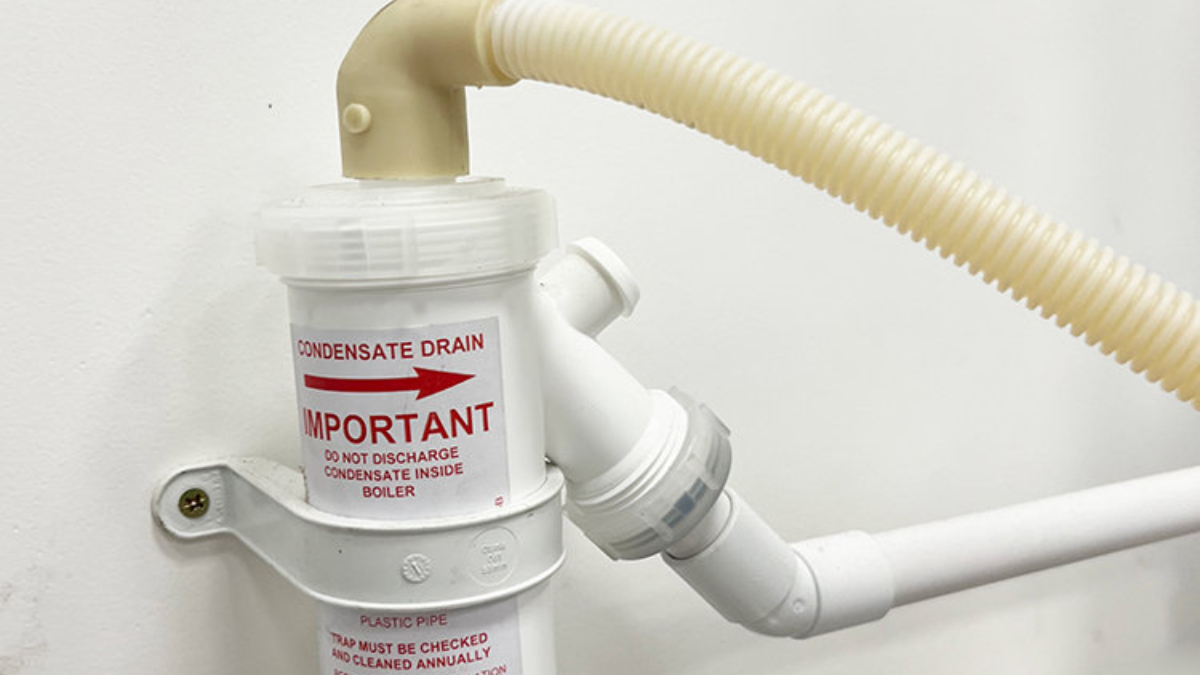
A condensate pipe is a plastic pipe that safely removes acidic wastewater produced by modern condensing boilers. This water is created when hot flue gases cool down and condense back into liquid form.
Because this process improves efficiency, the condensate pipe plays a crucial role in how well your boiler performs. Without a clear condensate pipe, your boiler cannot operate safely.
How to Identify a Condensate Pipe
Many homeowners confuse the condensate pipe with other boiler pipework. Fortunately, it has a few clear characteristics:
- Made from plastic (usually white or black)
- Smaller diameter than other pipes
- Runs from the boiler to the outside of your home
- Often exits through an external wall
Identifying the correct pipe is essential before attempting to defrost a frozen condensate pipe.
Why Do Condensate Pipes Freeze?
Because condensate pipes discharge water externally, they are exposed to outdoor temperatures. When the temperature drops below freezing, the water inside the pipe can freeze and create a blockage.
When this happens:
- Wastewater cannot exit the boiler
- Internal safety mechanisms activate
- The boiler shuts down to prevent damage
This is why frozen condensate pipes are most common during prolonged cold spells.
Signs Your Condensate Pipe Is Frozen
Before taking action, make sure this is actually the issue. Common signs include:
- Boiler failing to start
- Gurgling or bubbling sounds
- Error codes on the boiler display
- Boiler worked fine before freezing weather began
Common Boiler Error Codes Linked to Frozen Condensate Pipes
|
Boiler Brand |
Common Error Codes |
|
Baxi |
E133, E28 |
|
Ideal |
L2, LF, F2 |
|
Glow-worm |
F28, F29 |
|
Potterton |
E133, E28 |
|
Worcester Bosch |
EA, D5 |
|
Vaillant |
F28, F29 |
|
Viessmann |
F4 |
If you see these signs, it’s likely time to defrost a frozen condensate pipe.How to Defrost a Frozen Condensate Pipe Safely
This is usually a straightforward process and does not require special tools.
Step 1: Locate the Frozen Section
Check the external part of the pipe. The frozen area is often the most exposed section. Touch the pipe carefully — the frozen part will feel noticeably colder.
Step 2: Use Warm (Not Boiling) Water
Boil a kettle and allow the water to cool slightly. Slowly pour the warm water over the frozen section. Avoid boiling water, as extreme heat can damage plastic pipes.
Repeat this step until the ice melts fully.
Step 3: Reset the Boiler
Once the blockage clears, reset your boiler. In most cases, normal operation will resume immediately. If not, repeat the process once more.
This method is safe and effective when done carefully.
What NOT to Do When Defrosting
To protect your boiler and pipework, avoid the following:
- Do not use boiling water directly
- Do not use open flames or blowtorches
- Do not hit or force the pipe
- Do not ignore repeated freezing
Improper methods can cause permanent damage.
How to Prevent a Condensate Pipe from Freezing Again
Once you’ve managed to defrost a frozen condensate pipe, prevention becomes the priority.
Keep Heating On Low Overnight
Maintaining a low, consistent temperature helps keep water flowing and reduces freezing risk.
Increase Boiler Temperature Slightly
Raising the flow temperature can help prevent ice formation during extreme cold (use carefully to avoid higher bills).
Insulate the Condensate Pipe
Pipe insulation (lagging) is one of the most effective long-term solutions.
Install a Trace Heating Cable
A trace cable gently warms the pipe during freezing conditions and can protect it down to -20°C.
When to Call a Professional
If your condensate pipe:
- Freezes repeatedly
- Is damaged or leaking
- Cannot be safely accessed
- Continues to trigger boiler shutdowns
Then professional inspection is recommended. Ongoing freezing can indicate installation issues or poor pipe routing.
Why Understanding This Issue Matters
Knowing how to defrost a frozen condensate pipe helps you:
- Restore heating quickly
Avoid unnecessary call-outs - Prevent winter boiler breakdowns
Protect internal boiler components
A small issue, when ignored, can lead to costly repairs.
Final Thoughts
A frozen condensate pipe is one of the most common winter boiler issues in the UK — and fortunately, one of the easiest to fix. By acting quickly and using the correct method, you can restore your heating safely and avoid unnecessary stress.
With proper insulation and preventative measures, you can greatly reduce the chance of this problem returning.
Frequently Asked Questions (FAQs)
Yes, most homeowners can safely do this using warm water.
Usually between 10–30 minutes depending on ice thickness.
Not usually, but ignoring it can damage the boiler.
It significantly reduces risk but may not fully prevent freezing in extreme cold.