
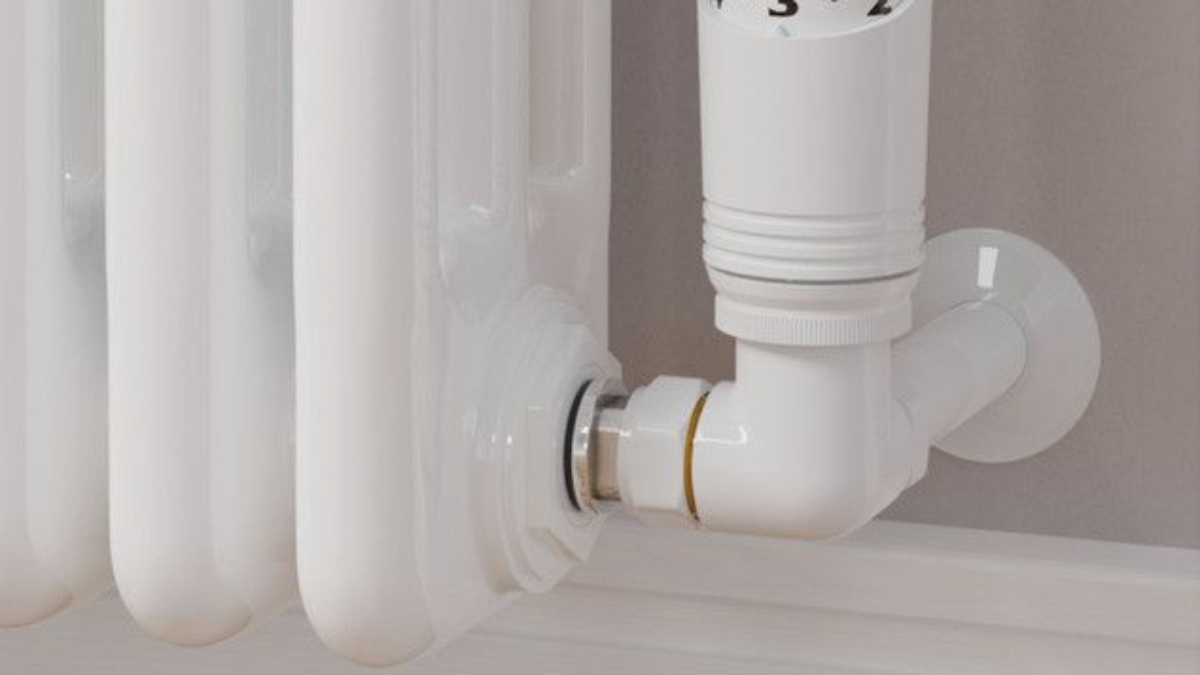
Lockshield Radiator Valve: What It Is and Why It Matters
A lockshield radiator valve is an essential component of a central heating system that helps control the flow of hot water through radiators. While many homeowners focus on thermostat settings or radiator controls, the lockshield radiator valve quietly works in the background to ensure your heating system operates efficiently.
Without proper balancing through the lockshield valve, radiators closer to the boiler may heat up quickly while those further away remain cold. This imbalance can lead to inefficient heating, higher energy bills, and unnecessary strain on your boiler.
Understanding how a lockshield radiator works can help homeowners recognise heating issues early and maintain a comfortable indoor environment during the colder months.
What Is a Lockshield Radiator Valve?
A lockshield valve is one of the two valves attached to a radiator in a central heating system.
Radiators typically have:
- A control valve or thermostatic radiator valve (TRV)
- A lockshield radiator valve
The control valve allows homeowners to adjust the temperature in a room. The lockshield valve, on the other hand, regulates the flow of water through the radiator to maintain system balance.
Unlike the control valve, the lockshield valve usually has a plain plastic cap instead of a numbered temperature dial. This design prevents accidental adjustments and keeps the heating system properly balanced after installation.
LSI Keywords Used
- radiator valve types
- central heating radiator valve
- radiator balancing valve
- heating system valve
- radiator water flow control
How Does a Lockshield Radiator Valve Work?
The main function of a lockshield radiator is to control water flow through radiators so that heat is distributed evenly throughout the property.
When your boiler heats water, it circulates through pipes to each radiator. Without regulation, radiators closer to the boiler would receive more hot water while others would receive less.
The lockshield valve solves this problem by restricting or allowing water flow to maintain proper balance.
Here’s how it works:
- Hot water leaves the boiler.
- Water flows through pipes toward radiators.
- The lockshield valve restricts flow to nearby radiators.
- More water reaches radiators further away.
- Heat is evenly distributed across the home.
This process is known as radiator balancing, and it ensures your heating system runs efficiently.
Where Is the Lockshield Valve Located?
A lockshield radiator valve is located on one side of the radiator, opposite the temperature control valve.
You can usually identify it by the following features:
- A plastic cap covering the valve
- No temperature markings
- Positioned on the opposite side of the radiator thermostat
The cap protects the valve from being accidentally adjusted and ensures the heating system remains balanced after a professional engineer sets it.
Why Is the Lockshield Radiator Valve Important?
Although small in size, the lockshield radiator valve plays a critical role in the performance of your heating system.
Key Benefits
- Balanced Heating
Ensures all radiators heat evenly across your property. - Improved Boiler Efficiency
A balanced system prevents the boiler from working harder than necessary. - Reduced Energy Bills
Efficient water flow reduces wasted heat and energy consumption. - Longer Boiler Lifespan
Balanced heating systems reduce strain on boiler components. - Consistent Room Temperatures
Helps maintain comfortable indoor temperatures throughout the home.
Without a properly adjusted lockshield radiator valve, some rooms may become too hot while others remain cold.
Lockshield Valve vs Thermostatic Radiator Valve
Many homeowners confuse the lockshield radiator valve with a thermostatic radiator valve (TRV), but their functions are different.
|
Feature |
Lockshield Radiator Valve |
Thermostatic Radiator Valve |
|
Main Purpose |
Balance water flow |
Control room temperature |
|
Adjustable by homeowner |
No |
Yes |
|
Temperature markings |
No |
Yes |
|
Adjusted during installation |
Yes |
No |
In simple terms:
- TRV controls heat level
- Lockshield valve controls system balance
Both valves work together to ensure the heating system functions properly.
Signs Your Lockshield Radiator Valve Is Incorrectly Set
If the lockshield radiator valve is not properly adjusted, you may notice several heating problems in your home.
Common warning signs include:
- Some radiators heat up faster than others
- Upstairs radiators remain cold
- Boiler runs longer than usual
- Uneven heating across rooms
- Increased energy bills
- Radiators making unusual noises
These issues often indicate that the heating system needs radiator balancing by a qualified heating engineer.
Can You Adjust a Lockshield Radiator Valve Yourself?
Technically, adjusting a lockshield radiator valve is possible, but it is generally not recommended for homeowners without heating system knowledge.
Adjusting the valve incorrectly can lead to several issues:
- Heating imbalance
- Increased boiler cycling
- Reduced heating efficiency
- Higher energy costs
Professional heating engineers use specialised methods and temperature readings to balance radiators accurately.
If adjustment is necessary, the process usually involves:
- Removing the plastic cap
- Using an adjustable spanner
- Turning the valve slightly
- Testing radiator temperatures
- Rebalancing the system if needed
Because the valve is highly sensitive, even a small adjustment can significantly affect heating performance.
Why Lockshield Radiator Leak
Like any plumbing component, a lockshield radiator valve can develop leaks over time.
Common causes include:
- Worn Spindle Seal
Rubber seals inside the valve can deteriorate with age. - Corrosion
Internal rust or corrosion can damage the valve body. - Loose Gland Nut
A loose nut may allow water to escape. - System Pressure Issues
High pressure in the heating system can cause valve leaks.
Small leaks may initially appear as tiny drips around the valve. If ignored, these leaks can worsen and cause water damage.
How Heating Engineers Balance Radiators
Balancing radiators is a professional process that ensures every radiator receives the correct amount of hot water.
Heating engineers typically follow these steps:
- Turn off the heating system.
- Open all radiator valves.
- Measure radiator temperatures.
- Adjust lockshield valves gradually.
- Recheck temperatures until balanced.
This ensures your central heating system distributes heat evenly throughout the home.
How to Maintain Your Heating System
Maintaining your heating system can prevent issues
Recommended maintenance tips:
- Schedule an annual boiler service
- Bleed radiators regularly
- Install a magnetic filter
- Perform a power flush if sludge builds up
- Monitor radiator performance during winter
Regular maintenance helps keep your heating system efficient and reduces the risk of unexpected breakdowns.
Final Thoughts
The lockshield radiator valve may seem like a small component, but it plays a major role in maintaining an efficient and balanced heating system.
By controlling water flow through radiators, it ensures that heat is distributed evenly throughout your property. When correctly adjusted, the valve helps reduce energy costs, improve boiler performance, and maintain comfortable indoor temperatures.
If you suspect your heating system is unbalanced or your lockshield valve is leaking, it is best to consult a qualified heating engineer. Professional maintenance ensures your central heating system remains safe, efficient, and reliable throughout the year.
Frequently Asked Questions (FAQs)
A lockshield radiator valve controls the flow of hot water through a radiator to balance the central heating system and ensure even heat distribution.
No, a lockshield valve should usually be partially open. Engineers adjust it to maintain proper heating balance across radiators.
Replacing a lockshield valve involves draining the heating system, so it is generally recommended to hire a professional heating engineer.
Leaks are usually caused by worn seals, corrosion, or a loose gland nut. A heating engineer can diagnose and repair the issue safely.