
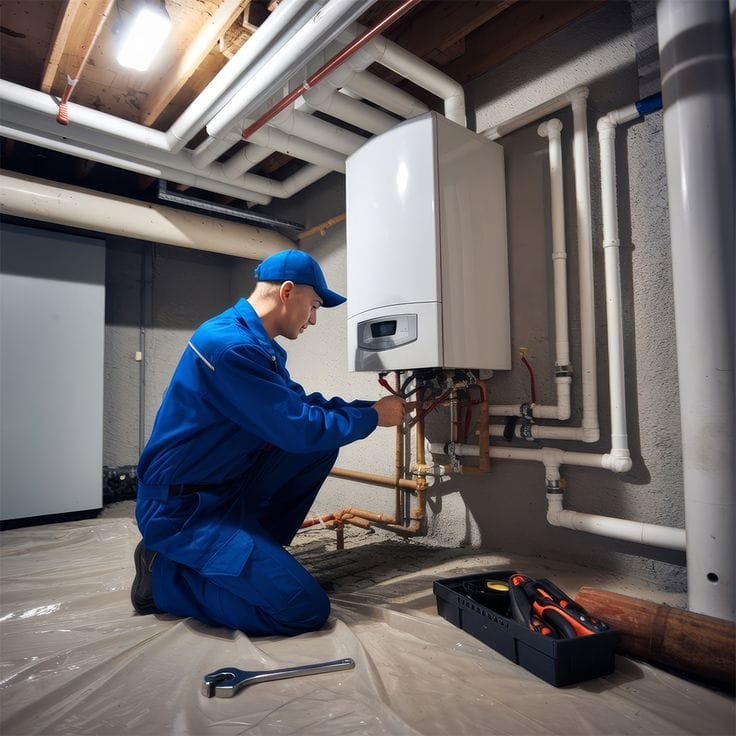
Understanding your heating system can save you from unexpected breakdowns, costly repairs, and poor performance. One of the most overlooked areas is combi boiler pipework explained properly for homeowners. If you’re installing a new boiler or already have one fitted, knowing what each pipe does helps you spot problems early and keep your system running efficiently.
A combi boiler is a compact, all-in-one unit that supplies hot water and central heating directly from the mains. Unlike traditional boilers, it doesn’t need a hot water cylinder or cold-water tank, making it ideal for modern UK homes where space matters.
To function safely and efficiently, the boiler relies on several interconnected pipes. Let’s break down combi boiler pipework explained in a simple, practical way.
How a Combi Boiler Works with Its Pipework
When you turn on a hot tap or your heating system, cold water enters the boiler from the mains. The boiler heats this water instantly using gas combustion, then distributes it through the system.
The entire process depends on correctly installed pipework. Without understanding combi boiler pipework explained, it’s easy to miss early warning signs like pressure drops, leaks, or circulation issues.
Each pipe has a specific job, and even a small fault in one can affect the whole system.
Main Types of Combi Boiler Pipes Explained
Below are the essential pipes found in most UK combi boiler installations.
Gas Supply Pipe
The gas pipe delivers natural gas or LPG to the boiler burner. Correct sizing is critical — an undersized pipe can cause ignition failure, inefficient heating, and repeated boiler lockouts.
Gas pipes are usually made from copper or steel and must only be installed or modified by a Gas Safe registered engineer. This is a core safety rule when it comes to combi boiler pipework explained correctly.
Mains Cold Water Pipe
This pipe supplies cold water directly from the mains into the boiler. The boiler heats this water on demand for taps, showers, and radiators.
Low mains pressure can result in weak hot water flow or fluctuating temperatures. That’s why understanding combi boiler pipework explained helps homeowners recognise pressure-related problems early.
Flow Pipe
The flow pipe carries hot water from the boiler to radiators and heating circuits around your home. It’s usually warm or hot when the heating is on.
If radiators aren’t heating evenly, the issue may lie within the flow pipe — blockages, sludge, or airlocks are common causes in systems where combi boiler pipework explained isn’t well maintained.
Return Pipe
Once water has circulated through the radiators, it returns to the boiler via the return pipe to be reheated.
A faulty return pipe can lead to overheating, pressure issues, or inefficient heating. This is another key area when combi boiler pipework explained properly for system performance.
Condensate Pipe
The condensate pipe removes acidic wastewater produced during the boiler’s condensing process. This pipe often runs externally and is prone to freezing during winter.
Frozen condensate pipes are one of the most common boiler breakdown causes in the UK. Correct insulation and installation are essential — a detail often missed when combi boiler pipework explained poorly.
Boiler Flue
The flue safely expels harmful gases, including carbon monoxide, outside your home. Its position, length, and angle must comply with strict UK Building Regulations.
A damaged or incorrectly positioned flue is a serious safety risk, which is why combi boiler pipework explained must always include professional installation standards.
Pressure Relief Valve and Safety Pipework
The pressure relief valve protects the boiler from dangerous pressure build-ups. If pressure rises too high, it releases water through a discharge pipe.
Frequent pressure releases usually indicate a deeper issue, such as a faulty expansion vessel. Understanding combi boiler explained helps homeowners avoid ignoring these warning signs.
Common Problems with Combi Boiler Pipework
Even a high-quality boiler can fail if the pipework develops faults. Here are the most common issues homeowners face:
- Frozen or blocked condensate pipes
- Leaking flow or return pipes
- Low mains water pressure
- Airlocks in radiators
- Undersized or blocked gas pipes
- Poorly insulated external pipes
Each of these problems directly affects system efficiency. That’s why combi boiler pipework explained knowledge is essential for long-term reliability.
UK Regulations for Combi Boiler Pipework Installation
In the UK, boiler installations must meet strict legal and safety standards. These regulations ensure boilers operate safely and efficiently.
Key requirements include:
- Installation by a Gas Safe registered engineer
- Correct pipe sizing for gas and water flow
- Condensate pipe compliance with HHIC guidance
- Flue positioning under Building Regulations Part J
- Energy efficiency compliance under Part L
Once installed, homeowners should receive a Building Regulations Compliance Certificate, confirming the installation meets legal standards. This is a critical part of combi boiler pipework explained responsibly.
Why Regular Boiler Servicing Matters
Pipework issues often develop slowly and go unnoticed until the boiler breaks down. Annual servicing allows engineers to inspect pipes, pressure levels, and safety components before problems escalate.
Regular maintenance improves efficiency, reduces energy bills, and extends the boiler’s lifespan. If you truly understand combi boiler pipework explained, you’ll know servicing isn’t optional — it’s essential.
Final Thoughts
Understanding combi boiler pipework explained properly empowers homeowners to maintain their heating systems, recognise early warning signs, and avoid costly emergencies. While small checks can be done at home, professional installation and servicing are essential for safety and efficiency.
If your boiler shows recurring issues, don’t ignore them — addressing pipework problems early can save you time, money, and stress.
Frequently Asked Questions (FAQs)
A combi boiler typically has gas, mains water, flow, return, condensate, pressure relief, and flue pipes
External condensate pipes without insulation are vulnerable during cold weather. Proper insulation usually solves the issue.
No. Any gas or boiler pipework must only be handled by a Gas Safe registered engineer.
Incorrect sizing can cause pressure drops, inefficient heating, boiler lockouts, and long-term damage.