
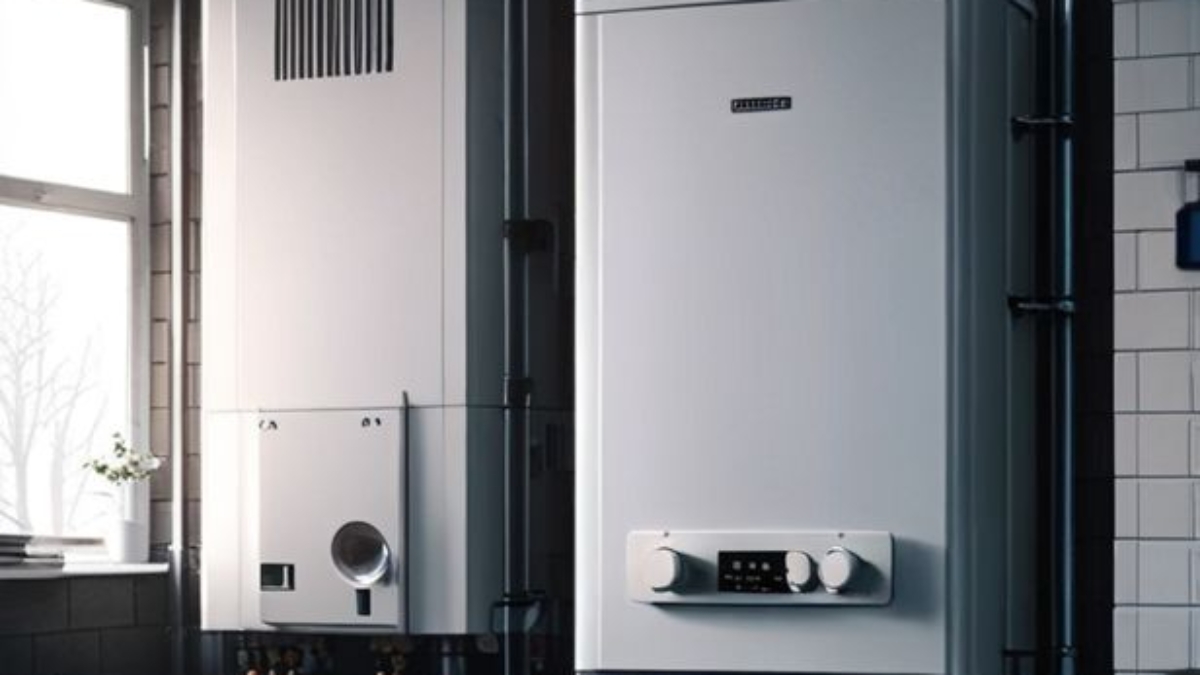
Worcester E9 Fault Code: Overheating and System Issues Explained
A Worcester E9 fault code can leave homeowners without heating or hot water, especially during cold winter months when you need your boiler the most. This fault is commonly linked to overheating, meaning your boiler has exceeded its safe operating temperature.
When a Worcester fault code appears, it usually indicates that the system has shut down to prevent internal damage. While this may seem alarming, it is actually a safety feature designed to protect key boiler components.
Understanding the Worcester E9 fault in detail helps you identify the issue early, avoid expensive repairs, and restore your heating system efficiently.
Key Takeaways
- A Worcester E9 fault code indicates overheating
- It often relates to circulation or sensor issues
- Resetting may work in minor cases
- Repeated faults require professional repair
- Ignoring the issue can damage internal components
Understanding the Worcester E9 Fault Code
The Worcester E9 fault is directly linked to your boiler’s internal temperature control system. It appears when the temperature inside the boiler rises beyond safe limits.
This fault is usually connected to:
- Safety temperature limiter
- Heat exchanger
- Circulation system
- Temperature sensors
In many cases, the E9 fault code appears alongside a cause code, which helps identify the exact issue.
Worcester E9 Cause Codes Explained
There are four main cause codes linked to the Worcester fault code, each pointing to a different issue.
Code 219 – Safety Temperature Limiter Triggered
This occurs when the boiler overheats and shuts down.
Possible causes:
- Poor water circulation
- Faulty limiter
- Blocked heat exchanger
Code 220 – Central Heating Circuit Overheating
This fault relates to restricted water flow.
Common reasons:
- Blocked pipework
- Limescale buildup
- Faulty pump
Code 221 – Rapid Temperature Increase
A sudden temperature spike can trigger shutdown.
Likely causes:
- Airlocks in the system
- Pump malfunction
- Sensor misreading
Code 224 – Sensor or PCB Fault
This is usually an electrical issue.
Possible faults:
- NTC sensor failure
- PCB damage
- Wiring problems
Common Causes of Worcester E9 Fault Code
Several issues can trigger a Worcester E9 fault most of which relate to poor heat circulation or faulty components.
Faulty Circulation Pump
The pump is responsible for moving hot water through your heating system. If it fails, heat becomes trapped inside the boiler.
This leads to:
- Overheating
- Reduced efficiency
- System shutdown
A faulty pump is a major cause of the Worcester fault code, especially after long periods of inactivity.
Low Boiler Pressure
Low pressure is one of the most common reasons behind a Worcester E9 fault code.
When pressure drops:
- Water cannot circulate properly
- Heat builds up internally
- The boiler shuts down
This often happens after:
- Bleeding radiators
- Small system leaks
- Recent maintenance
Air Trapped in the System
Air pockets inside radiators or pipes can block water flow.
This causes:
- Cold spots on radiators
- Poor heat transfer
- Boiler overheating
Airlocks are a frequent trigger for the Worcester fault code in older systems.
Blocked Pipes or Filters
Any obstruction in the system can slow down water flow.
Common issues include:
- Sludge buildup
- Dirty filters
- Partially closed valves
Restricted flow increases internal temperature, leading to a Worcester E9 fault code.
Sensor Faults
Temperature sensors monitor the boiler’s internal conditions.
If they fail:
- Incorrect readings occur
- Boiler shuts down unnecessarily
- Fault codes appear
A sensor issue can directly trigger a Worcester E9 fault code.
PCB and Electrical Issues
The PCB controls all boiler operations. If it becomes faulty:
- Signals may be incorrect
- Safety shutdowns may occur
- Error codes may display incorrectly
Electrical faults are a more serious cause of the E9 fault code and require professional repair.
Repair Costs for Worcester E9 Fault Code
Fixing a Worcester E9 fault depends on the root cause. Below are typical UK repair costs:
- Pump repair or replacement: £200–£350
- Heat exchanger repair: £250–£500
- Temperature sensor replacement: £120–£200
- Safety limiter reset/repair: £120–£250
- PCB repair or replacement: £200–£400
- Airlock removal: £100–£180
- Pressure-related repair: £100–£300
Costs may vary depending on the severity of the issue and your location.
How to Reset Worcester Boiler
In some cases, a simple reset can clear a Worcester E9 fault code, especially after minor pressure adjustments.
Steps to reset:
- Locate the reset button on the boiler
- Press and hold for a few seconds
- Wait for the system to restart
- Check if heating returns
If the Worcester fault code reappears, further investigation is required.
Can You Fix Worcester E9 Fault Code Yourself?
Some basic checks can be done safely at home, but most causes of a Worcester E9 fault code require expert attention.
Safe DIY checks:
- Check boiler pressure
- Reset the system
- Look for visible leaks
Avoid attempting internal repairs, as this can be dangerous and may void warranties.
When to Call a Professional Engineer
You should contact a heating expert if:
- The Worcester fault code keeps returning
- The boiler fails to restart
- There is no heating or hot water
- You suspect electrical or internal faults
A qualified engineer can safely diagnose and fix the issue.
Preventing Worcester E9 Fault Code
Regular maintenance helps prevent a Worcester E9 fault code from occurring.
Prevention tips:
- Schedule annual boiler servicing
- Maintain correct pressure levels
- Bleed radiators when needed
- Keep pipes clean and clear
- Address small issues early
Preventative care ensures your boiler runs efficiently all year round.
Frequently Asked Questions (FAQs)
It indicates the boiler has overheated and shut down for safety reasons.
Yes, low pressure can restrict water flow and lead to overheating.
Yes, but only if the issue is minor. Repeated resets are not recommended.
It can be serious if ignored, as it may damage internal components.