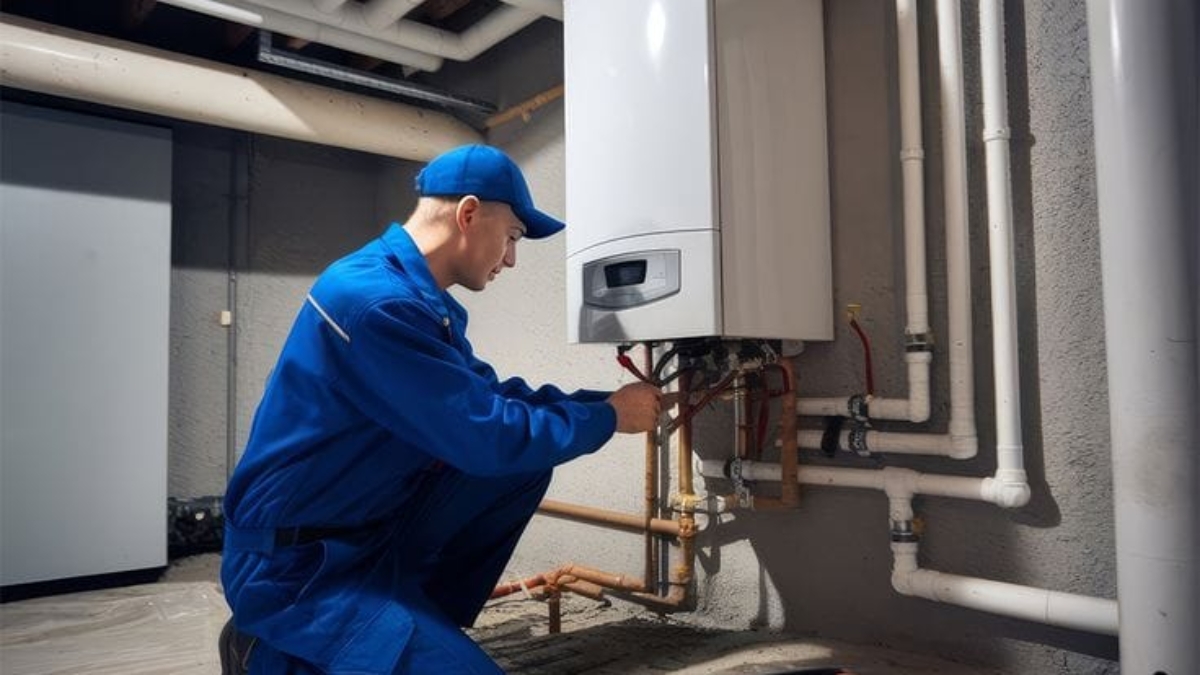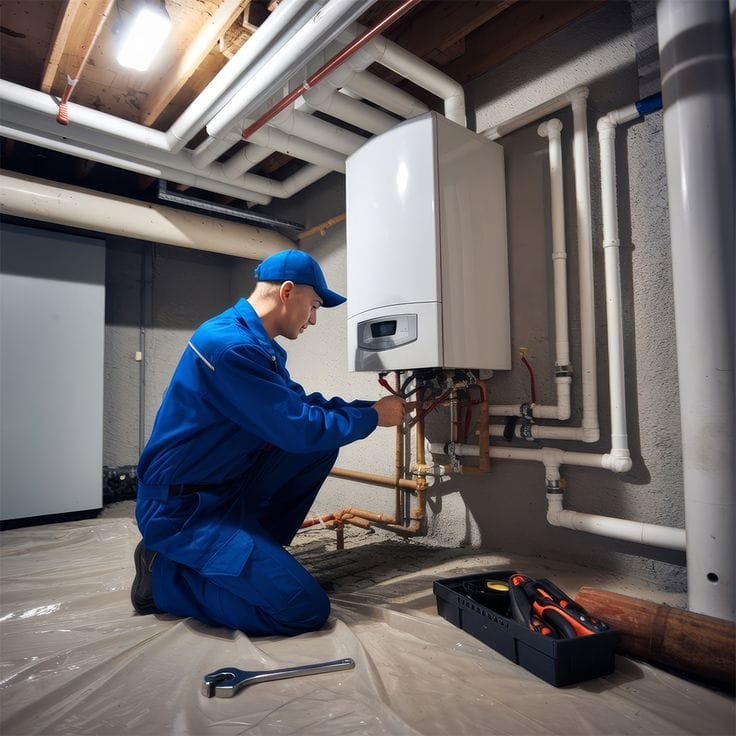
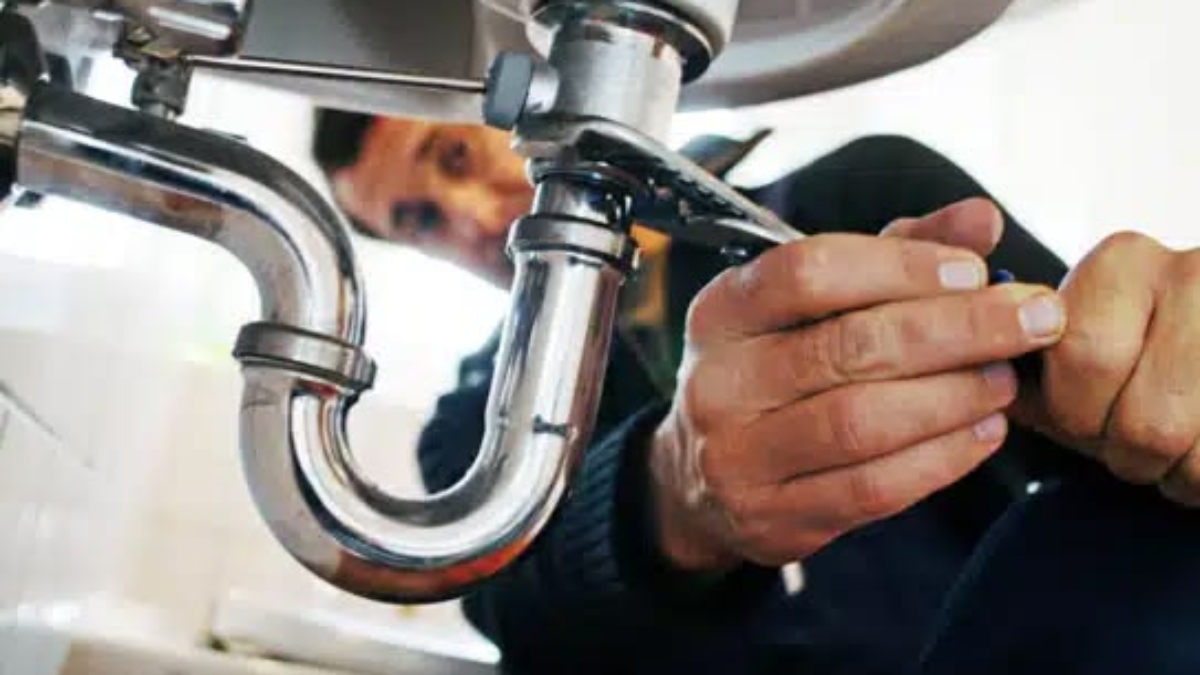
Emergency plumbing services

10 Common Emergency plumbing services

10 Common Emergency plumbing services (and How to Avoid Them)

Emergency plumbing services are something most homeowners never think about until disaster strikes. A burst pipe at midnight, a blocked toilet before guests arrive, or no hot water during winter — these problems always seem to happen at the worst possible time. At Emergix, we respond to urgent plumbing issues every day, and most of them could have been prevented with simple maintenance and awareness.

In this guide, we’ll explain the ten most common emergency plumbing call-outs and share practical tips to help you avoid them.

1.Burst Pipes

Burst pipes are one of the most serious plumbing emergencies. When a pipe bursts, water can quickly flood your property, causing structural damage, ruined flooring, and expensive repairs.

Why it happens:

  • Freezing temperatures causing water to expand
  • Old or corroded pipework
  • High water pressure
  • Poor installation

How to prevent it:

  • Insulate pipes in lofts, garages, and exterior walls
  • Keep heating on low during cold weather
  • Check regularly for small leaks or damp patches
  • Know where your stopcock is located

Acting quickly can significantly reduce damage, but prevention is always better than calling for urgent help.

2.Blocked Toilets

A blocked toilet is inconvenient and unpleasant. It can overflow quickly and create hygiene issues within minutes.

Why it happens:

  • Flushing wipes (even “flushable” ones)
  • Sanitary products
  • Excessive toilet paper
  • Foreign objects dropped accidentally

How to prevent it:

  • Only flush the “3 Ps” — pee, poo, and paper
  • Keep a bin in the bathroom
  • Use a plunger at the first sign of slow drainage

Blocked toilets are one of the most common reasons people require emergency plumbing services, but simple habits can avoid most incidents.

3.Leaking Taps and Fixtures

A dripping tap may seem minor, but over time it wastes water and increases your bills.

Why it happens:

  • Worn washers
  • Corroded internal valves
  • High water pressure
  • Poor-quality fittings

How to prevent it:

  • Fix drips immediately
  • Replace old washers early
  • Have your water pressure checked if leaks are frequent

Small leaks often turn into bigger problems if ignored.

4.No Hot Water

Few things are more frustrating than stepping into a shower and discovering there’s no hot water.

Why it happens:

  • Faulty boiler
  • Broken immersion heater
  • Airlocks in the system
  • Thermostat failure

How to prevent it:

  • Schedule annual boiler servicing
  • Bleed radiators regularly
  • Monitor for unusual boiler noises
  • Check system pressure monthly

Early warning signs should never be ignored, as they can prevent a complete system breakdown.

5.Blocked Drains

Blocked drains can cause foul smells, slow water drainage, and even flooding inside the home.

Why it happens:

  • Grease and oil buildup
  • Hair and soap residue
  • Food debris
  • Tree roots (external drains)

How to prevent it:

  • Avoid pouring fat or oil down sinks
  • Install drain strainers
  • Clean plugholes monthly
  • Flush drains occasionally with hot water

Keeping drains clean reduces the likelihood of requiring urgent plumbing assistance.

6.Leaking Toilets

Toilets can leak from the base or run continuously without obvious signs.

Why it happens:

  • Faulty flush valves
  • Worn seals
  • Loose connections
  • Cracked cisterns

How to prevent it:

  • Listen for continuous running water
  • Tighten loose fittings
  • Replace worn parts early
  • Inspect the base for dampness

Ignoring a small toilet leak can lead to hidden floor damage.

7.Frozen Pipes

Frozen pipes are extremely common during winter and can quickly escalate into burst pipes.

Why it happens:

  • Sub-zero temperatures
  • Poor insulation
  • Outdoor taps left unprotected

How to prevent it:

  • Insulate outdoor taps
  • Keep cabinet doors open under sinks in cold weather
  • Let a small trickle of water run during freezing nights

Taking these precautions reduces the risk of major winter plumbing disasters.

8.Boiler Breakdowns

Boiler breakdowns often happen during peak winter when your system works hardest.

Why it happens:

  • Lack of maintenance
  • Low pressure
  • Component wear and tear
  • Sludge buildup

How to prevent it:

  • Annual servicing by a certified engineer
  • Check pressure gauge regularly
  • Power flush older systems
  • Address warning codes immediately

Regular maintenance keeps heating systems running efficiently and safely.

9.Hidden Water Leaks

Leaks behind walls or under floors are harder to detect but can cause serious long-term damage.

Why it happens:

  • Ageing copper pipe joints
  • Poor installation
  • Structural movement

Warning signs:

  • Damp patches
  • Musty smells
  • Increased water bills
  • Warped flooring

Installing leak detection devices can provide early alerts and reduce risk.

10.Sewage Backups

Sewage backups are among the most serious plumbing emergencies due to health risks.

Why it happens:

  • Blocked external drains
  • Tree root intrusion
  • Damaged underground pipes
  • Heavy rainfall overwhelming systems

How to prevent it:

  • Avoid flushing foreign objects
  • Maintain external drainage
  • Schedule periodic drain inspections

If sewage begins backing up, professional help is required immediately.

When Should You Call Emergency Plumbing Services?

Some issues require immediate professional attention. You should contact a plumber urgently if:

  • Water is leaking uncontrollably
  • Drains are backing up
  • There is no heating in freezing weather
  • You smell sewage inside your property
  • A pipe has burst

Delaying action can significantly increase repair costs and damage.

At Emergix, we provide fast-response emergency plumbing support designed to minimise disruption and protect your property. Whether it’s a minor leak or a major plumbing failure, having access to reliable professionals gives you peace of mind.

Final Thoughts

Most plumbing emergencies don’t happen overnight — they develop slowly due to neglect, wear, or small warning signs that go unnoticed. By performing regular checks, maintaining your heating system, and practising good plumbing habits, you can avoid costly repairs and stressful situations.

However, if something does go wrong, knowing who to call makes all the difference. Preventative care saves money, but rapid response protects your home when emergencies strike.

Frequently Asked Questions (FAQs)

A plumbing emergency includes burst pipes, major leaks, blocked drains causing flooding, sewage backups, or complete loss of heating or hot water. In such situations, professional emergency plumbing services should be contacted immediately to prevent property damage.

Most professional providers aim to respond within 1–2 hours, depending on your location and severity of the issue. Fast response is critical when dealing with water leaks or heating failures in winter.

Yes, reputable companies offer 24/7 emergency plumbing services, including weekends and bank holidays, ensuring help is available whenever urgent issues arise.

Absolutely. Annual boiler servicing, pipe insulation, drain cleaning, and routine inspections significantly lower the risk of unexpected breakdowns and the need for urgent plumbing assistance. performance.
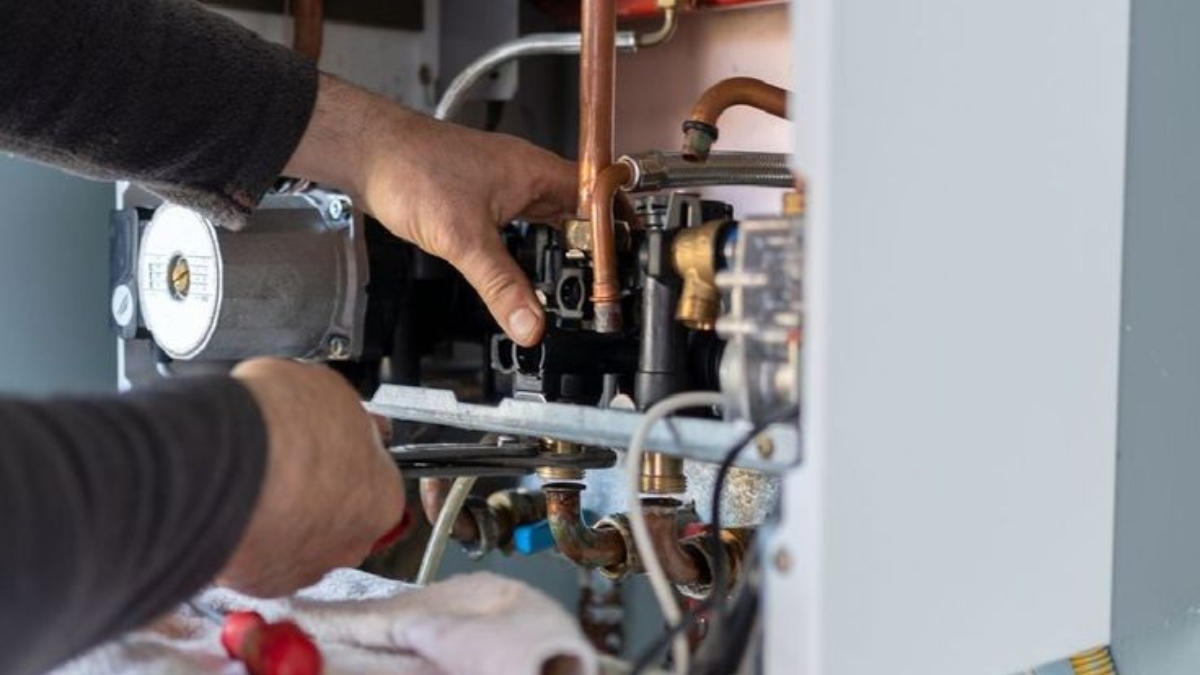
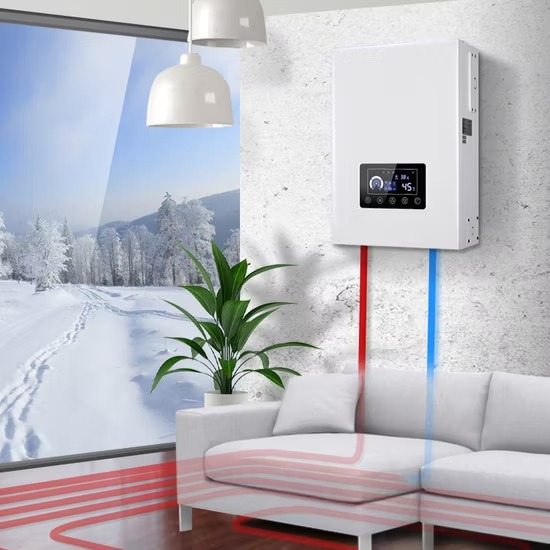
How Efficient Is My Boiler

How Efficient Is My Boiler? Improve Efficiency & Save Money

How Efficient Is My Boiler? A Complete Homeowner’s Guide by Emergix

Heating your home isn’t just about staying warm — it’s about doing it How Efficient Is My Boiler, affordably, and responsibly. If you’ve ever questioned why your energy bills feel higher than they should, your boiler’s performance could be the reason.

Many homeowners don’t realise how much energy an inefficient boiler wastes every year. Understanding How Efficient Is My Boiler  helps you control heating costs, improve comfort, and reduce unnecessary environmental impact — all without guesswork.

In this detailed guide by Emergix, we’ll break down what boiler efficiency really means, how it’s measured in the UK, how to spot inefficiency, and what practical steps you can take to improve or upgrade your system.

What Does Boiler Efficiency Actually Mean?

At its core, boiler efficiency refers to how effectively your boiler converts fuel (gas or oil) into usable heat for your home. It’s expressed as a percentage.

For example:

  • A boiler operating at 90% efficiency converts 90% of fuel into heat

  • The remaining 10% is lost through waste gases and heat loss

The higher the efficiency, the less fuel is wasted — and the lower your heating bills.

This is why boiler efficiency plays such a critical role in both household costs and long-term energy planning.

Old Boilers vs New Boilers: What’s the Difference?

Older boilers were built using outdated technology and lack modern heat-recovery systems. As a result, they waste far more energy than newer models.

Typical Efficiency Comparison

  • Older non-condensing boilers: 60–70%

  • Modern condensing boilers: 90%+

That difference alone can translate into hundreds of pounds saved every year.

A modern system improves boiler efficiency by capturing heat that older boilers simply release into the atmosphere.

Why Boiler Efficiency Matters More Than Ever

Understanding boiler efficiency isn’t just about money — it affects multiple aspects of your home:

Lower Energy Bills

An inefficient boiler uses more fuel to achieve the same warmth.

Consistent Heating

Efficient boilers heat rooms evenly, avoiding cold spots.

Reduced Carbon Emissions

Less wasted fuel means a smaller environmental footprint.

Increased Property Value

Energy-efficient homes are more attractive to buyers.

Boiler Efficiency Ratings Explained Simply

In the UK, boiler efficiency is measured using standardised systems to help homeowners make informed decisions.

ErP (Energy-related Products Directive)

ErP is a European regulation that rates boilers from A+++ (most efficient) to G (least efficient).

Most modern boilers installed today fall within:

  • A or A+ ratings
  • Typically 90% efficiency or higher
  • ErP labels make comparing boiler efficiency straightforward at a glance.

SEDBUK Rating (UK Specific)

SEDBUK stands for Seasonal Efficiency of Domestic Boilers in the UK. It measures real-world efficiency over an entire heating season — not just laboratory conditions.

Higher SEDBUK percentages = better boiler efficiency in everyday use.

Common Signs Your Boiler Is Losing Efficiency

If your boiler is no longer performing as it once did, there are often clear warning signs.

Watch Out For:

  • Rising gas or oil bills
  • Uneven heating across rooms
  • Radiators taking longer to warm up
  • Frequent breakdowns or repairs
  • Noisy operation

These symptoms usually indicate declining boiler efficiency rather than sudden failure.

How to Check the Efficiency of Your Boiler

You don’t need specialist tools to get a general idea of how efficient your boiler is.

1. Check the ErP Label

Modern boilers display their efficiency rating clearly.

2. Consider the Boiler’s Age

Boilers older than 10–15 years rarely match modern standards.

3. Look Up the SEDBUK Rating

This gives a realistic view of seasonal performance.

4. Arrange a Professional Inspection

A qualified engineer can assess boiler efficiency accurately during servicing.

How Old Is Your Boiler — and Why It Matters

Boiler age plays a major role in efficiency.

Ways to Find Your Boiler’s Age

  • Manufacturer serial number
  • Original installation paperwork
  • Engineer assessment during servicing

Estimated Efficiency by Age

Boiler Age Approximate Efficiency
25+ years 60–70%
20 years ~75%
15 years 80–85%
10+ years 85%

As boilers age, internal wear reduces boiler efficiency even if they still function.

Practical Ways to Improve Boiler Efficiency Without Replacing It

If a full replacement isn’t possible yet, small changes can still make a noticeable difference.

Bleed Radiators

Trapped air reduces heat output.

Install a Smart Thermostat

Optimises heating schedules and reduces waste.

Annual Servicing

Keeps components clean and operating efficiently.

Improve Home Insulation

Reduces heat loss, helping your boiler work less.

These steps can significantly boost boiler efficiency without major expense.

When Is Upgrading Your Boiler the Smarter Choice?

There comes a point where repairs cost more than replacement.

Consider Upgrading If:

  • Your boiler is over 15 years old
  • Repair costs are frequent
  • Efficiency is below 80%
  • Parts are becoming hard to source

Modern boilers are designed to maximise boiler efficiency while reducing long-term running costs.

Cost vs Savings: Is a New Boiler Worth It?

Initial Cost

A new boiler installation typically costs around £3,000, depending on system type.

Annual Savings

High-efficiency boilers can save up to £300 per year on energy bills.

Long-Term Value

  • Improved comfort
  • Quieter operation
  • Longer warranties
  • Fewer breakdowns

Over time, improved boiler efficiency often offsets the initial investment.

The Environmental Impact of Boiler Efficiency

Efficient boilers burn less fuel, producing fewer greenhouse gas emissions. Improving boiler efficiency isn’t just good for your budget — it supports a more sustainable future.

Every percentage increase in efficiency reduces unnecessary energy waste.

Final Thoughts 

Boiler efficiency is one of the most important yet overlooked aspects of home heating. Whether your boiler is new or ageing, understanding how efficiently it operates empowers you to make smarter decisions.

From checking ErP and SEDBUK ratings to improving maintenance habits or planning an upgrade, every step toward better boiler efficiency pays off — financially and environmentally.

A warm home shouldn’t come at the cost of wasted energy. With the right knowledge, you can stay comfortable while keeping control of your bills.

Frequently Asked Questions (FAQs)

Check its ErP label, age, and servicing history.

Yes, they waste more fuel producing the same heat.

Yes, regular servicing maintains optimal performance.

Can You Have a Boiler in a Bedroom

boiler in a bedroom

Can You Have a Boiler in a Bedroom? What UK Homeowners Should Know

Installing a boiler in a bedroom is more common than many homeowners realise, especially in properties where space is limited. Flats, small houses, and homes without utility rooms often require creative solutions, and placing a boiler in a bedroom can be one of them.

While it is legal to have a boiler in a bedroom in the UK, there are important safety, comfort, and regulatory factors that must be carefully considered before making this decision.

In this guide, Emergix explains everything you need to know before installing or living with a boiler in your bedroom.

Is It Legal to Install a Boiler in a Bedroom?

Yes, a boiler can legally be installed in a bedroom in the UK — provided all safety and building regulations are followed.

UK regulations do not prohibit bedroom boilers outright, but they place strict conditions on:

  • Boiler type
  • Installation method
  • Ventilation
  • Ongoing maintenance

Modern heating systems are designed with safety in mind, which makes bedroom installations possible when done correctly.

Boiler Types Allowed in Bedrooms

Not all boilers are suitable for bedrooms.

Room-Sealed Boilers (Allowed)

Room-sealed boilers draw air from outside and safely expel exhaust gases outdoors. Because combustion air never comes from inside the bedroom, these boilers are considered safe for sleeping areas.

Open-Flued Boilers (Not Allowed)

Open-flued boilers rely on indoor air for combustion. These are not permitted in bedrooms due to the risk of fumes entering the living space.

If you are considering a bedroom boiler, it must be a modern, room-sealed model installed by a qualified engineer.

Bedroom Boiler Safety Requirements

Safety is the most important factor when installing a boiler in a bedroom.

Gas Safety Standards

All gas boilers must be installed, serviced, and repaired by a Gas Safe registered engineer. This ensures:

  • Safe combustion
  • Correct ventilation
  • Protection against carbon monoxide risks

Regular servicing is essential to keep the boiler operating safely over time.

Carbon Monoxide Protection

Any bedroom with a boiler should always have:

  • A working carbon monoxide alarm
  • Adequate airflow
  • Clear access for inspections

These measures significantly reduce safety risks.

Noise Considerations for Bedroom Boilers

Modern boilers are far quieter than older models, but they are not completely silent.

You may hear:

  • Ignition sounds
  • Water circulation
  • Pump operation

For light sleepers, this can sometimes be disruptive. If noise increases over time, it may indicate:

  • Air in the system
  • Worn internal components
  • Pressure imbalance

Prompt inspection can prevent further issues.

Space and Ventilation Requirements

Although modern boilers are compact, they still require sufficient clearance to operate safely.

Important space considerations include:

  • Adequate airflow around the unit
  • Space for pipework and valves
  • Easy access for servicing

Installing a boiler in a tightly enclosed cupboard without proper ventilation can lead to overheating, noise, and reduced efficiency.

Heat Build-Up in Bedrooms

Boilers generate heat when producing hot water, even if central heating is off. In bedrooms, this extra warmth can be noticeable — particularly during summer months.

Ways to manage heat include:

  • Insulating the boiler cupboard
  • Improving room ventilation
  • Choosing energy-efficient models

A properly installed boiler should not make a bedroom uncomfortable, but planning is essential.

Advantages of Having a Boiler in a Bedroom

For many homes, bedroom boilers offer practical benefits:

  • Ideal solution when kitchens or utility rooms lack space
  • Shorter pipe runs can reduce installation costs
  • Easy access for servicing and inspections
  • Modern compact boilers fit neatly into cupboardsKeeps heating equipment within the main living area

With correct installation, these benefits often outweigh the drawbacks.

Disadvantages to Consider

Despite the benefits, bedroom boilers are not suitable for everyone.

Potential downsides include:

  • Operational noise affecting sleep
  • Additional warmth in smaller rooms
  • Safety concerns if maintenance is neglected
  • Psychological discomfort for some homeowners
  • Stricter installation requirements

Understanding these factors helps homeowners make an informed decision.

Is a Bedroom Boiler Safe?

A bedroom boiler can be completely safe when:

  • It is room-sealed
  • Installed by a qualified engineer
  • Properly ventilated
  • Regularly serviced

Modern boilers include advanced safety features such as automatic shut-off systems and pressure monitoring, significantly reducing risk when installed correctly.

When Bedroom Boiler Installation Makes Sense

Installing a boiler is often suitable if:

  • Your property has limited space
  • You use a modern condensing boiler
  • Installation follows all regulations
  • You prioritise regular servicing

For older properties or poorly ventilated rooms, alternative locations may be safer.
Final Thoughts

Having a boiler in your bedroom is legal, safe, and practical when done properly. Modern room-sealed boilers, installed by qualified professionals, are designed to operate safely within living spaces.

By considering safety regulations, noise levels, ventilation, and comfort, homeowners can confidently decide whether a bedroom boiler is right for their home.

At Emergix, we believe informed decisions lead to safer, more comfortable homes.

Frequently Asked Questions (FAQs)

Yes, provided the boiler has sufficient ventilation, clearance, and access for servicing.

Room-sealed boilers do not require internal ventilation but still need proper airflow and space.

Yes, it is strongly recommended for safety in any room containing a boiler.

Yes. Modern condensing boilers are significantly quieter than older models.

defrost frozen condensate pipe

How to Defrost a Frozen Condensate Pipe Safely

How to Defrost a Frozen Condensate Pipe – Complete Winter Guide

Cold weather can put unexpected stress on your boiler, especially during freezing temperatures. One of the most common winter boiler problems in the UK is a
defrost frozen condensate pipe.  When this pipe freezes, your boiler may shut down completely, leaving you without heating or hot water.

The good news? In most cases, you can safely resolve this issue yourself with a few simple steps. In this guide, Emergix explains how to defrost a frozen condensate pipe, how to identify the problem early, and how to prevent it from happening again.

What Is a Condensate Pipe?

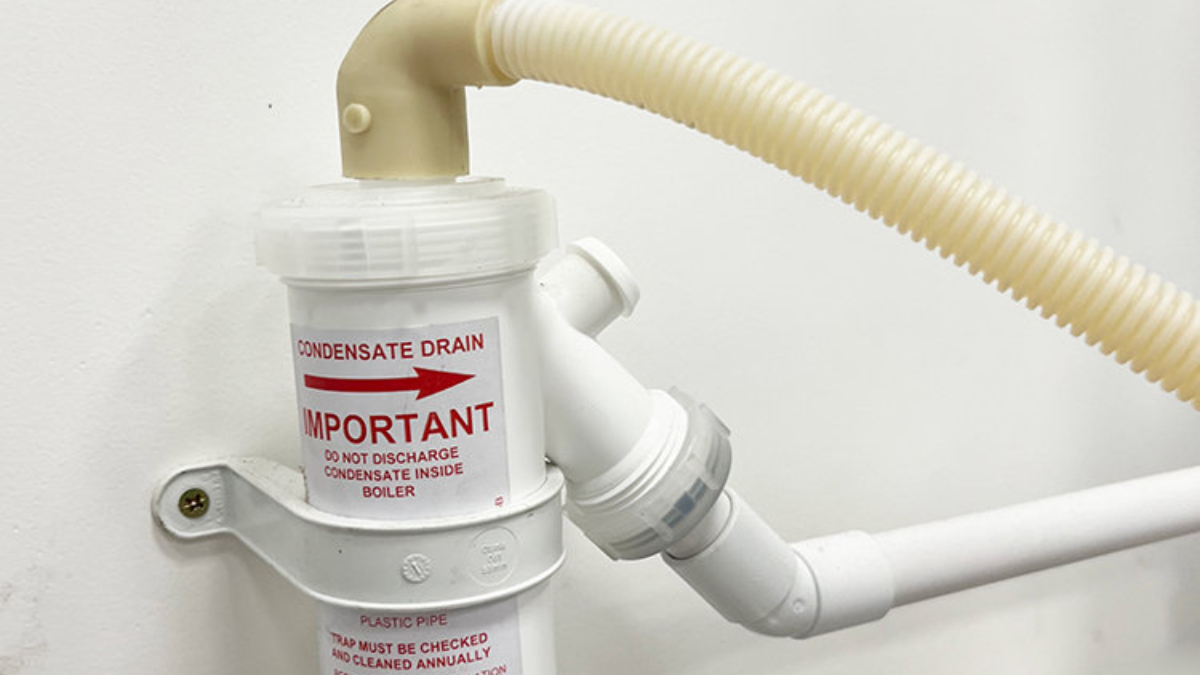
A condensate pipe is a plastic pipe that safely removes acidic wastewater produced by modern condensing boilers. This water is created when hot flue gases cool down and condense back into liquid form.

Because this process improves efficiency, the condensate pipe plays a crucial role in how well your boiler performs. Without a clear condensate pipe, your boiler cannot operate safely.

How to Identify a Condensate Pipe

Many homeowners confuse the condensate pipe with other boiler pipework. Fortunately, it has a few clear characteristics:

  • Made from plastic (usually white or black)
  • Smaller diameter than other pipes
  • Runs from the boiler to the outside of your home
  • Often exits through an external wall

Identifying the correct pipe is essential before attempting to defrost a frozen condensate pipe.

Why Do Condensate Pipes Freeze?

Because condensate pipes discharge water externally, they are exposed to outdoor temperatures. When the temperature drops below freezing, the water inside the pipe can freeze and create a blockage.

When this happens:

  • Wastewater cannot exit the boiler
  • Internal safety mechanisms activate
  • The boiler shuts down to prevent damage

This is why frozen condensate pipes are most common during prolonged cold spells.

Signs Your Condensate Pipe Is Frozen

Before taking action, make sure this is actually the issue. Common signs include:

  • Boiler failing to start
  • Gurgling or bubbling sounds
  • Error codes on the boiler display
  • Boiler worked fine before freezing weather began

Common Boiler Error Codes Linked to Frozen Condensate Pipes

Boiler Brand

Common Error Codes

Baxi

E133, E28

Ideal

L2, LF, F2

Glow-worm

F28, F29

Potterton

E133, E28

Worcester Bosch

EA, D5

Vaillant

F28, F29

Viessmann

F4

If you see these signs, it’s likely time to defrost a frozen condensate pipe.How to Defrost a Frozen Condensate Pipe Safely

This is usually a straightforward process and does not require special tools.

Step 1: Locate the Frozen Section

Check the external part of the pipe. The frozen area is often the most exposed section. Touch the pipe carefully — the frozen part will feel noticeably colder.

Step 2: Use Warm (Not Boiling) Water

Boil a kettle and allow the water to cool slightly. Slowly pour the warm water over the frozen section. Avoid boiling water, as extreme heat can damage plastic pipes.

Repeat this step until the ice melts fully.

Step 3: Reset the Boiler

Once the blockage clears, reset your boiler. In most cases, normal operation will resume immediately. If not, repeat the process once more.

This method is safe and effective when done carefully.

What NOT to Do When Defrosting

To protect your boiler and pipework, avoid the following:

  • Do not use boiling water directly
  • Do not use open flames or blowtorches
  • Do not hit or force the pipe
  • Do not ignore repeated freezing

Improper methods can cause permanent damage.

How to Prevent a Condensate Pipe from Freezing Again

Once you’ve managed to defrost a frozen condensate pipe, prevention becomes the priority.

Keep Heating On Low Overnight

Maintaining a low, consistent temperature helps keep water flowing and reduces freezing risk.

Increase Boiler Temperature Slightly

Raising the flow temperature can help prevent ice formation during extreme cold (use carefully to avoid higher bills).

Insulate the Condensate Pipe

Pipe insulation (lagging) is one of the most effective long-term solutions.

Install a Trace Heating Cable

A trace cable gently warms the pipe during freezing conditions and can protect it down to -20°C.

When to Call a Professional

If your condensate pipe:

  • Freezes repeatedly
  • Is damaged or leaking
  • Cannot be safely accessed
  • Continues to trigger boiler shutdowns

Then professional inspection is recommended. Ongoing freezing can indicate installation issues or poor pipe routing.

Why Understanding This Issue Matters

Knowing how to defrost a frozen condensate pipe helps you:

  • Restore heating quickly
    Avoid unnecessary call-outs
  • Prevent winter boiler breakdowns
    Protect internal boiler components

A small issue, when ignored, can lead to costly repairs.

Final Thoughts

A frozen condensate pipe is one of the most common winter boiler issues in the UK — and fortunately, one of the easiest to fix. By acting quickly and using the correct method, you can restore your heating safely and avoid unnecessary stress.

With proper insulation and preventative measures, you can greatly reduce the chance of this problem returning.


Frequently Asked Questions (FAQs)

Yes, most homeowners can safely do this using warm water.

Usually between 10–30 minutes depending on ice thickness.

Not usually, but ignoring it can damage the boiler.

It significantly reduces risk but may not fully prevent freezing in extreme cold.

TV won’t turn on

Why Won’t My TV Turn On? Causes, Fixes & Expert Help

TV won’t turn on

Why Won’t My TV Turn On? A Complete Step-by-Step Troubleshooting Guide

Your television is supposed to be your source of entertainment and relaxation. So when it suddenly refuses to power on, it can be both frustrating and worrying. If your TV won’t turn on, the first thought is often that it’s completely broken or needs replacing. In reality, many TV power issues are caused by simple problems that can be fixed without expert help.

Before you panic or start searching for a new television, it’s important to understand what could be causing the issue. From power supply problems to remote control faults, there are several reasons why a TV might not respond when you press the power button.

This in-depth guide by Emergix walks you through every common cause, practical checks you can safely do at home, and how to know when professional repair is the smarter choice.

Check the Basics First: Is Your TV Getting Power?

When a TV won’t turn on, power supply issues should always be your first checkpoint.

What to Look For

  • Is the power cable firmly connected to the TV?
  • Is the wall socket switched on?
  • Does another device work in the same socket?

If another appliance also fails to work, the problem is likely the socket rather than the TV itself.

Inspect the Fuse Box

A tripped circuit breaker can instantly cut power to your TV. Reset the breaker and test the TV again. If it trips repeatedly, stop using the TV and seek professional assistance, as this could indicate an electrical fault.

The Remote Control Might Be the Culprit

Many homeowners believe their TV won’t turn on, when in reality the remote control is failing.

Try This

  • Replace the batteries with new ones
  • Ensure nothing is blocking the infrared sensor
  • Try turning the TV on using the physical buttons on the unit

If the TV powers on manually, the issue is almost certainly with the remote and not the television.

Perform a Soft Reset to Clear Temporary Faults

Temporary glitches are common in modern TVs, especially smart models. A soft reset can resolve many issues where a TV won’t turn on.

How to Do a Soft Reset

  1. Switch the TV off at the wall
  2. Unplug it completely
  3. Wait at least 60 seconds
  4. Plug it back in and turn it on

This resets internal circuits and clears minor software issues.

Remove Extension Leads and Surge Protectors

If your TV is connected via:

  • An extension lead
  • A surge protector
  • A power strip

Try plugging it directly into the wall socket. These accessories can fail silently and cause your TV won’t turn on problem.

Check the Standby Light or Indicator Signals

Indicator lights can reveal a lot about what’s wrong.

What Different Lights Mean

  • No light at all: Likely a power board issue
  • Flashing light: Internal fault detected
  • Solid light but black screen: Possible backlight or display issue

Many TVs use blinking patterns as fault codes that engineers rely on during diagnosis.

Software and Firmware Issues in Smart TVs

Smart TVs operate using complex software. If an update fails or becomes corrupted, your TV won’t turn on properly.

Common Symptoms

  • TV stuck in standby
  • Screen remains black but sound plays
  • TV turns on briefly then shuts off

Leaving the TV unplugged for several minutes can sometimes force a complete system reset.

Overheating Can Cause Automatic Shutdown

Televisions include safety systems that shut them down when overheating is detected.

Reasons TVs Overheat

  • Poor ventilation
  • Placement inside a tight cabinet
  • Dust blocking air vents

Allow the TV to cool completely and improve airflow before turning it on again.

Internal Power Supply or Component Failure

If you’ve tried everything and your TV won’t turn on, the issue may be internal.

Common Internal Problems

  • Failed power supply board
  • Blown internal fuse
  • Damaged capacitors
  • Faulty mainboard

These problems require professional repair and should never be attempted at home.

Could It Be a Manufacturing Defect?

Some TVs suffer from known faults linked to specific models or production years.

What You Can Do

  • Search your TV model online
  • Check manufacturer support pages
  • Contact customer service for recall information

In some cases, repairs or replacements may be offered free of charge.

Why DIY Internal Repairs Are Dangerous

 Televisions can store high electrical charges even when unplugged.

Attempting DIY repairs can result in:

  • Electric shock
  • Fire hazards
  • Permanent TV damage
  • Voided warranties

If your TV won’t turn on due to internal faults, professional repair is always the safest route.

When Should You Call a Professional Engineer?

You should seek expert help if:

  • The TV shows no signs of power
  • The standby light keeps flashing
  • You hear clicking or buzzing sounds
  • Circuit breakers trip repeatedly
  • Burning smells are present

A trained engineer can safely diagnose and fix the issue.

How Appliance Protection Can Help

Unexpected TV repairs can be expensive. Appliance protection plans can cover repair costs, labour, and replacement parts, offering peace of mind when your TV won’t turn on unexpectedly.

Preventing Future TV Power Problems

Simple Tips

  • Avoid cheap extension leads
  • Keep vents clean and dust-free
  • Ensure proper ventilation
  • Turn off TVs during power surges
  • Use surge protection where appropriate

Regular care can significantly extend your TV’s lifespan.

Final Thoughts

When your TV won’t turn on, it doesn’t automatically mean it’s beyond repair. Many issues are caused by power supply faults, remote control problems, or software glitches that are easy to resolve at home.

By following the steps above, you can confidently rule out simple problems before considering professional repair. When expert help is required, acting early can prevent further damage and reduce costs.

Frequently Asked Questions (FAQs)

This often indicates a power supply failure.

Yes, surges can destroy internal components.

At least 60 seconds, longer if issues persist.

It depends on repair cost versus replacement value.

Emergix boiler cover

Compare Boiler Cover Plans | Emergix vs UK Providers

Emergix boiler cover

Compare Boiler Cover with Emergix

When it comes to protecting your home’s heating system, choosing the right boiler cover is essential. Unexpected boiler breakdowns can be inconvenient and expensive, particularly during winter months. With multiple boiler cover providers available in the UK, homeowners often struggle to decide which plan offers the best value, reliability, and coverage.

In this guide, we compare Emergix boiler cover with other popular UK providers to help you make an informed decision based on cost, services, and overall value.

Why Boiler Cover Is Important

Your boiler plays a vital role in keeping your home warm and supplying hot water throughout the year. Without boiler cover, sudden faults can result in:

  • Costly emergency repairs

  • Long waiting times for engineers

  • No heating or hot water when you need it most

Boiler cover helps protect you from these risks by offering financial and practical support when things go wrong.

How Boiler Cover Works

Boiler cover is a subscription-based service where you pay a monthly or annual fee. In return, the provider takes responsibility for boiler maintenance and breakdown repairs.

Most boiler cover plans include:

  • Emergency engineer call-outs

  • Annual boiler servicing

  • Repair or replacement of faulty parts

  • Labour and call-out costs

Some providers also extend coverage to plumbing, electrics, or other home services, depending on the plan.

Comparing Emergix Boiler Cover with Other Providers

Below is a general comparison of Emergix boiler cover against other well-known UK boiler cover providers. Prices and features may vary depending on location and policy type.

Feature Emergix Leading Providers
Competitive Monthly Pricing
Low Excess Fees
Annual Boiler Service
Emergency Call-outs
Plumbing & Drainage Cover Limited
Electrical Cover Limited
24/7 Customer Support
UK-wide Availability

Emergix focuses on value, flexibility, and broader home protection, making it suitable for homeowners looking for more than just basic boiler cover.

Pricing and Excess Fees

Affordability is one of the main reasons homeowners choose Emergix. Boiler cover plans are competitively priced and designed to reduce unexpected out-of-pocket costs.

Lower excess fees mean:

  • Less to pay when making a claim

  • Better value during emergency repairs

  • More predictable household expenses

This balance between monthly cost and claim expenses makes boiler cover more practical long term.

What Makes Emergix Stand Out

Emergix goes beyond standard boiler cover by offering added protection and customer-focused services.

Key Benefits:

  • Boiler repairs & servicing – Keep your heating system efficient

  • Plumbing cover – Help with leaks and blockages

  • Electrical assistance – Support for common household electrical faults

  • Fast response times – Reduced waiting during emergencies

  • Reliable UK engineers – Qualified professionals you can trust

This all-in-one approach helps homeowners avoid juggling multiple service providers.

When Boiler Cover Is Worth Having

Boiler cover is especially useful if:

  • Your boiler is 7 years or older

  • You want peace of mind during winter

  • You want to avoid large, unexpected repair bills

  • You prefer predictable monthly costs

Even newer boilers can benefit from cover, as faults can still occur without warning.

Things to Consider Before Choosing Boiler Cover

Before selecting a plan, consider:

  1. Boiler age and condition

  2. Monthly cost vs excess fees

  3. Coverage limits and exclusions

  4. Additional home services included

  5. Availability of customer support

Comparing these factors helps ensure you choose a plan that suits your home and budget.

Final Thoughts

Choosing the right boiler cover can save you money, stress, and time. By comparing cost, coverage, and additional services, Emergix boiler cover proves to be a reliable and cost-effective option for UK homeowners.

With flexible plans, competitive pricing, and broader home protection, Emergix helps ensure your heating system stays reliable when you need it most.

Frequently Asked Questions (FAQs)

Emergix boiler cover typically includes boiler repairs, emergency call-outs, and annual servicing, with optional coverage for plumbing and electrics.

Yes. Even new boilers can develop faults, and boiler cover provides peace of mind and fast repairs.

This depends on your plan, but emergency support is usually available whenever a fault occurs.

Most Emergix plans include both parts and labour, reducing unexpected costs.

E119 boiler error code

E119 Boiler Error Code | Low Pressure Fault Explained & Fixed

E119 boiler error code

E119 Boiler Error Code: Low Pressure Fault Causes and Fixes

When your boiler suddenly stops working and displays an unfamiliar fault code, it can be stressful—especially during colder months. One such common issue many homeowners face is a low system pressure fault, which prevents the boiler from operating safely. Modern boilers are designed with safety mechanisms that shut the system down when pressure drops too low, helping to protect internal components and avoid long-term damage.
Understanding why this happens and how to respond can save time, money, and unnecessary worry. In this guide, we’ll explain what the E119 boiler error code means, what causes it, and which solutions are safe for homeowners versus when professional help is required.

What Does E119 Mean on a Boiler?

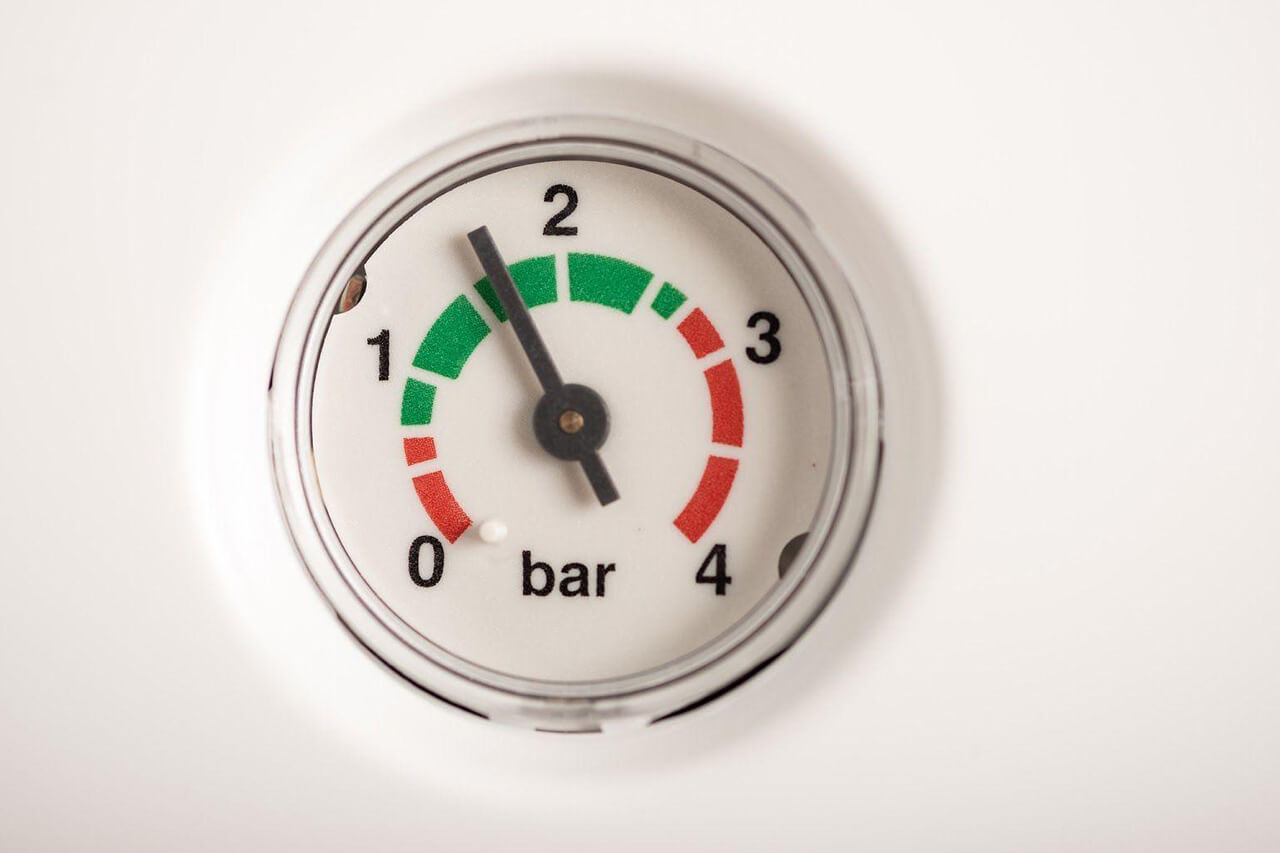
The E119 fault code indicates that your boiler’s system water pressure has fallen below the minimum safe level—usually under 0.5 bar. Boilers rely on adequate water pressure to circulate heat through radiators and pipework. When pressure drops too low, the boiler automatically shuts down as a precaution.

Low pressure doesn’t always mean something is seriously wrong. In many cases, it develops gradually and is linked to normal system behaviour. However, repeated pressure loss can point to an underlying fault that needs attention.

Why Low Boiler Pressure Shouldn’t Be Ignored

Running a boiler with insufficient pressure can cause several problems, including:

  • Inefficient heating and cold radiators

  • Boiler lockouts and frequent shutdowns

  • Strain on internal components

  • Increased risk of further faults

That’s why addressing the issue promptly is important, even if the fix seems simple.

Common Causes of E119 Boiler Error Code

https://www.viessmann.co.uk/content/dam/public-brands/gb/images/3-2/heating-advice/1280-853%20how-to-read-a-boiler-pressure-gauge.jpg/_jcr_content/renditions/original./1280-853%20how-to-read-a-boiler-pressure-gauge.jpg


1. Natural Pressure Loss in a Sealed System

Sealed central heating systems can slowly lose pressure over time. Temperature changes cause water to expand and contract, while tiny air pockets may escape through vents and valves. This process is gradual and usually happens over several months.

Solution:
Repressurising the boiler using the filling loop is a normal maintenance task and is safe for most homeowners. Once topped up, the pressure should remain stable.

2. Radiators Bled Without Repressurising

Bleeding radiators removes trapped air and improves heat distribution, but it also releases small amounts of water. If the system isn’t topped up afterward, pressure can drop enough to trigger a shutdown.

This commonly happens:

  • During seasonal radiator bleeding

  • When cold spots appear on radiators

  • After routine DIY maintenance

Solution:
After bleeding radiators, always refill the system to the manufacturer’s recommended pressure level.

3. Leaking Radiators, Valves, or Pipework

Even a very slow leak can lead to pressure loss over time. Leaks may occur at:

  • Radiator valves

  • Pipe joints

  • Hidden pipework under floors or behind walls

Signs include damp patches, rust marks, or a constant need to repressurise.

Solution:
While homeowners can visually inspect for leaks, repairs should always be carried out by a qualified heating engineer.

4. Faulty Pressure Relief Valve (PRV)

The pressure relief valve is a safety component that releases water if pressure becomes too high. If it’s worn or stuck open, it may continuously discharge water, causing pressure to fall even when the system is otherwise healthy.

Solution:
PRV issues must be handled by a professional, as it’s a critical safety part.

5. Expansion Vessel Problems

The expansion vessel absorbs pressure changes as water heats and cools. If its internal diaphragm fails or loses air, pressure regulation becomes unstable. This often results in:

  • Pressure rising too high when heating

  • Rapid pressure drops when cooling

  • Repeated boiler shutdowns

Solution:
Expansion vessel faults require specialist tools and should be diagnosed and repaired by an experienced engineer.

6. Recently Installed Heating Components

After installing a new radiator or replacing boiler parts, trapped air may continue escaping for days or even weeks. Once the air leaves the system, pressure naturally drops.

Solution:
Repressurising is safe, but if pressure keeps falling, it may indicate a leak or installation issue that needs professional inspection.

7. Internal Boiler Component Failure

If all external causes are ruled out, the issue may lie inside the boiler. Faulty seals, pressure sensors, or internal pipework can all lead to unexplained pressure loss.

Solution:
Internal faults should only be investigated by qualified professionals with the correct diagnostic equipment.

How to Repressurise a Boiler Safely

Although boiler models vary, the general process involves:

  1. Turning the boiler off and allowing it to cool

  2. Locating the filling loop

  3. Slowly opening the valves to let water in

  4. Monitoring the pressure gauge

  5. Closing the valves once pressure reaches around 1.0–1.5 bar

If you’re unsure, always check the manufacturer’s instructions or seek professional help.

Preventing Future Pressure Problems

Regular maintenance is key to avoiding unexpected boiler faults. Simple steps include:

  • Checking pressure monthly

  • Repressurising when needed

  • Booking an annual boiler service

  • Addressing small leaks early

These steps help detect pressure issues before they lead to recurring shutdowns or component damage.

Conclusion

The E119 boiler error code is a safety warning that your heating system doesn’t have enough pressure to operate correctly. In many cases, the issue can be resolved by safely repressurising the boiler. However, repeated pressure loss may signal leaks, faulty components, or internal boiler issues that require expert attention.

By understanding the causes and acting early, homeowners can keep their heating systems running efficiently and avoid unnecessary breakdowns. Regular checks and servicing play a vital role in preventing pressure-related boiler problems and ensuring reliable performance throughout the year.

Frequently Asked Questions (FAQs)

E119 indicates that your boiler’s system water pressure has dropped below the safe operating level, typically under 0.5 bar.

Yes, minor issues like repressurising the system or bleeding radiators can be handled by homeowners. Major repairs require a Gas Safe engineer.

Common causes include low pressure from sealed system loss, bleeding radiators, leaks in pipework, PRV or expansion vessel issues, and internal component faults.

Yes, boiler cover can minimise repair costs, provide emergency support, and often include annual servicing to prevent pressure-related faults.

boiler beyond economical repair

Boiler Beyond Economical Repair | What It Means & Next Steps

What to Do If Your Boiler Is Beyond Economical Repair

Hearing that your boiler is beyond economical repair can be frustrating, especially when it seemed to be working fine until recently. Many homeowners assume boilers last forever, but like all mechanical systems, they have a limited lifespan.

Over time, wear and tear reduce performance, efficiency drops, and repair costs rise. When this happens, continuing to fix the boiler may no longer make financial sense. Understanding what boiler beyond economical repair really means can help you make a confident and cost-effective decision.

Do Boilers Really Last Forever?

Unfortunately, no boiler lasts forever. Even a well-installed and properly maintained boiler will eventually reach the end of its effective working life. Most modern boilers are designed to last 10–15 years, provided they are serviced annually and used correctly.

As a boiler ages, it may start showing warning signs such as:

  • Frequent breakdowns
  • Rising gas or energy bills
  • Slower hot water delivery
  • Unusual noises or smells

These are often indicators that your boiler may be economical repair, especially if multiple faults appear close together.

What Does “Beyond Economical Repair” Mean?

when the total cost of repairing it (parts, labour, and VAT) is higher than the boiler’s current value.

This doesn’t always mean the boiler can’t be fixed. It means repairing it no longer makes financial sense compared to replacing it with a newer, more efficient model. In many cases, investing in a replacement can save you money on energy bills and reduce future breakdown risks.

How Is a Boiler’s Current Value Calculated?

The current value of a boiler is usually calculated based on depreciation. A common method is reducing the original boiler price by 10% per year from the installation date.

For example:

  • Original boiler price: £950
  • Boiler age: 9 years
  • Estimated current value: approx. £370

If the repair cost exceeds this amount, the boiler is typically classed. However, simple repairs may still be attempted if costs remain low, as minor fixes can sometimes extend the boiler’s life.

Is This Approach Industry Standard?

Yes, declaring a boiler beyond economical repair is not unique to one provider. Most boiler cover companies and insurers use similar guidelines, although thresholds can vary.

Some providers compare repair costs to:

  • A percentage of the price of a new boiler
  • Manufacturer advice on part availability
  • The age of the boiler and number of faults

Across the industry, the goal is the same: avoiding repeated costly repairs on boilers that are nearing the end of their usable life.

What Happens If Your Boiler Is BER?

If your boiler is officially classed as boiler beyond  replacement options are usually offered rather than repairs. These often include:

  • A new, energy-efficient boiler
  • Professional installation
  • Discounts based on boiler age or cover history

In some cases, newer boilers may qualify for a free replacement, while older systems may receive a partial contribution toward a new unit.

Can You Still Choose to Repair It?

Yes, you can sometimes choose to repair a boiler that is economical repair, but this option usually comes with risks. Older boilers may develop additional faults shortly after repairs, and replacement parts may be difficult to source.

Because of this uncertainty, repair work  often comes without performance guarantees or refunds if the fix is unsuccessful.

Is Replacing a BER Boiler Worth It?

In most cases, yes. A new boiler offers:

  • Improved energy efficiency
  • Lower monthly gas bills
  • Reduced breakdown risk
  • Quieter operation
  • Better heating performance

Replacing a boiler  is often a long-term investment that improves comfort and reliability while reducing ongoing costs.


Final Thoughts

A boiler being economical repair doesn’t mean bad luck—it means you have an opportunity to upgrade to a safer, more efficient heating system. If repairs are becoming frequent and costly, replacement is usually the smarter financial decision.

Regular servicing can help extend boiler life, but once repair costs outweigh value, choosing a replacement can save stress, money, and energy in the long run.

Frequently Asked Questions (FAQs)

A boiler is classed as boiler beyond economical repair when the cost of fixing it is higher than its current value. This usually includes parts, labour, and VAT, making replacement a more cost-effective option.

Yes, in some cases a boiler beyond economical repair can still be fixed. However, repairs may be short-term, unreliable, and expensive, which is why replacement is often recommended.

The calculation is usually based on the boiler’s original price, depreciated over time (often around 10% per year). If repair costs exceed this value, the boiler is considered beyond economical repair.

Most boilers last 10–15 years if installed correctly and serviced annually. As a boiler ages, efficiency drops and the risk of being classed as boiler beyond economical repair increases.

how to reset Ideal Logic Combi 30 boiler

How to Reset Ideal Logic Combi 30 Boiler

how to reset Ideal Logic Combi 30 boiler

If your boiler suddenly stops working, the first reaction is usually panic especially when there’s no heating or hot water. The good news is that many common boiler issues can be resolved safely at home. This guide explains how to reset Ideal Logic Combi 30 boiler correctly, why lockouts happen, and when a reset is no longer the right solution.

This is not just a basic reset guide. It’s written from an engineer-level perspective to help you understand what’s happening, not just what button to press.

Why Ideal Logic Combi 30 Boilers Go Into Lockout

Before learning how to reset Ideal Logic Combi 30 boiler, it’s important to understand why the boiler shuts down in the first place.

Modern boilers are designed to protect you. When the system detects something unsafe or inefficient, it enters lockout mode. This prevents damage to components and reduces safety risks.

Common triggers include:

  • Low system pressure
  • Ignition or flame failure
  • Frozen or blocked condensate pipe
  • Poor water circulation
  • Temporary gas supply interruption

A reset only works if the underlying issue has been resolved.

Safety Checks Before You Reset the Boiler

Any professional engineer will tell you this:
Never reset a boiler blindly.

Before attempting how to reset Ideal Logic Combi 30 boiler, check the following:

  • No gas smell in the property
  • No visible water leaks
  • Boiler casing is intact
  • Pressure gauge is readable
  • No repeated fault code flashing

If anything feels unsafe, stop and contact a Gas Safe engineer immediately.

Step-by-Step: How to Reset Ideal Logic Combi 30 Boiler Safely

This is the correct and manufacturer-approved method for how to reset Ideal Logic Combi 30 boiler.

Step 1: Locate the Reset Button

The reset button is on the front control panel. It may be marked with:

  1. “Reset”
    2.  An “R”
    3.  Or built into the mode selector dial

Step 2: Check the Boiler Pressure

Ideal pressure (when cold) is 1.0–1.5 bar.
If pressure is below this, the boiler will not restart.

Top up pressure using the filling loop if required.

Step 3: Press and Hold Reset

Hold the reset button for 3–5 seconds, then release.

Step 4: Wait for Ignition

The boiler will run its ignition sequence.
If successful, heating and hot water will return within a minute.

This process explains  Combi 30 boiler correctly without risking damage.

Boiler Pressure: The #1 Reason Resets Fail

One of the most misunderstood aspects of how to reset Ideal Logic Combi 30 boiler is pressure.

Why pressure drops:

  1. Radiators recently bled
    2. Minor leaks in pipework
    3. Natural system loss over time

If pressure falls below 1.0 bar, the boiler will lock out again — even after a reset.

 Expert tip:
If pressure keeps dropping, resetting is not the solution. The system needs inspection.

Common Scenarios Where a Reset Works

Understanding context is key when learning how to reset Ideal Logic Combi 30 boiler.

A reset usually works if:

  1. There was a brief power cut
    2. Gas supply was temporarily interrupted
    3. Pressure dropped slightly and was corrected
    4. Boiler overheated due to trapped air
    In these cases, a single reset is normal.

When Resetting Is a Bad Idea

This is where most homeowners make mistakes.

Do not keep resetting if:

  1. Boiler locks out repeatedly
    2. Fault code returns instantly
    3. Pressure keeps falling
    4. Boiler only works temporarily

Repeated resets can damage ignition components and sensors.

Frozen Condensate Pipe: A Hidden Winter Problem

In cold UK winters, frozen condensate pipes are a common reason boilers shut down.

Symptoms:

  1. Boiler stops overnight
    2. Gurgling sounds
    3. Fault code appears suddenly

Safely thaw the pipe using warm (not boiling) water, then attempt once.

Prevent this by insulating external condensate pipes.

How Emergix Engineers Handle Repeated Boiler Lockouts

When homeowners contact Emergix, we don’t just reset boilers — we diagnose the root cause.

Our Gas Safe engineers:

  1. Analyse fault codes properly
    2. Test ignition and flame sensors
    3. Check pressure loss causes
    4. Inspect condensate routing
    5. Verify safe combustion

This is why professional repair lasts longer than repeated DIY resets.

Preventing Future Boiler Lockouts

If you don’t want to keep searching how to reset Combi 30 boiler, prevention is key.

1. Annual Boiler Service

A yearly service identifies problems early and improves efficiency.

2. Monitor Pressure Monthly

Keep pressure within the safe range.

3. Bleed Radiators Correctly

Air causes overheating and shutdowns.

4. Insulate Condensate Pipes

Especially in exposed outdoor areas.

Small steps prevent expensive breakdowns.

When to Call a Gas Safe Engineer Immediately

Stop DIY attempts and call a professional if:

  • Reset fails more than once
  • Boiler shows persistent fault codes
  • No heating during cold weather
  • Pressure loss is ongoing

Emergix offers 24/7 emergency boiler repair services across the UK, ensuring your home stays safe and warm.

Final Thoughts

Knowing how to reset Ideal Logic Combi 30 boiler can save time and stress — but only when used correctly. A reset is a short-term fix, not a long-term solution.

If your boiler keeps locking out, the safest and smartest option is professional inspection. Emergix engineers are Gas Safe registered and available 24/7 to handle boiler breakdowns properly — not just temporarily.

Frequently Asked Questions (FAQs)

On the front control panel, often marked “Reset” or integrated into the dial.

Between 1.0 and 1.5 bar when cold.

No. Repeated resets can cause further damage.

combi boiler pipework explained

Combi Boiler Pipework Explained

combi boiler pipework explained

Understanding your heating system can save you from unexpected breakdowns, costly repairs, and poor performance. One of the most overlooked areas is combi boiler pipework explained properly for homeowners. If you’re installing a new boiler or already have one fitted, knowing what each pipe does helps you spot problems early and keep your system running efficiently.

A combi boiler is a compact, all-in-one unit that supplies hot water and central heating directly from the mains. Unlike traditional boilers, it doesn’t need a hot water cylinder or cold-water tank, making it ideal for modern UK homes where space matters.

To function safely and efficiently, the boiler relies on several interconnected pipes. Let’s break down combi boiler pipework explained in a simple, practical way.

How a Combi Boiler Works with Its Pipework

When you turn on a hot tap or your heating system, cold water enters the boiler from the mains. The boiler heats this water instantly using gas combustion, then distributes it through the system.

The entire process depends on correctly installed pipework. Without understanding combi boiler pipework explained, it’s easy to miss early warning signs like pressure drops, leaks, or circulation issues.

Each pipe has a specific job, and even a small fault in one can affect the whole system.

Main Types of Combi Boiler Pipes Explained

Below are the essential pipes found in most UK combi boiler installations.

Gas Supply Pipe

The gas pipe delivers natural gas or LPG to the boiler burner. Correct sizing is critical — an undersized pipe can cause ignition failure, inefficient heating, and repeated boiler lockouts.

Gas pipes are usually made from copper or steel and must only be installed or modified by a Gas Safe registered engineer. This is a core safety rule when it comes to combi boiler pipework explained correctly.

Mains Cold Water Pipe

This pipe supplies cold water directly from the mains into the boiler. The boiler heats this water on demand for taps, showers, and radiators.

Low mains pressure can result in weak hot water flow or fluctuating temperatures. That’s why understanding combi boiler pipework explained helps homeowners recognise pressure-related problems early.

Flow Pipe

The flow pipe carries hot water from the boiler to radiators and heating circuits around your home. It’s usually warm or hot when the heating is on.

If radiators aren’t heating evenly, the issue may lie within the flow pipe — blockages, sludge, or airlocks are common causes in systems where combi boiler pipework explained isn’t well maintained.

Return Pipe

Once water has circulated through the radiators, it returns to the boiler via the return pipe to be reheated.

A faulty return pipe can lead to overheating, pressure issues, or inefficient heating. This is another key area when combi boiler pipework explained properly for system performance.

Condensate Pipe

The condensate pipe removes acidic wastewater produced during the boiler’s condensing process. This pipe often runs externally and is prone to freezing during winter.

Frozen condensate pipes are one of the most common boiler breakdown causes in the UK. Correct insulation and installation are essential — a detail often missed when combi boiler pipework explained poorly.

Boiler Flue

The flue safely expels harmful gases, including carbon monoxide, outside your home. Its position, length, and angle must comply with strict UK Building Regulations.

A damaged or incorrectly positioned flue is a serious safety risk, which is why combi boiler pipework explained must always include professional installation standards.

Pressure Relief Valve and Safety Pipework

The pressure relief valve protects the boiler from dangerous pressure build-ups. If pressure rises too high, it releases water through a discharge pipe.

Frequent pressure releases usually indicate a deeper issue, such as a faulty expansion vessel. Understanding combi boiler explained helps homeowners avoid ignoring these warning signs.

Common Problems with Combi Boiler Pipework

Even a high-quality boiler can fail if the pipework develops faults. Here are the most common issues homeowners face:

  • Frozen or blocked condensate pipes
  • Leaking flow or return pipes
  • Low mains water pressure
  • Airlocks in radiators
  • Undersized or blocked gas pipes
  • Poorly insulated external pipes

Each of these problems directly affects system efficiency. That’s why combi boiler pipework explained knowledge is essential for long-term reliability.

UK Regulations for Combi Boiler Pipework Installation

In the UK, boiler installations must meet strict legal and safety standards. These regulations ensure boilers operate safely and efficiently.

Key requirements include:

  • Installation by a Gas Safe registered engineer
  • Correct pipe sizing for gas and water flow
  • Condensate pipe compliance with HHIC guidance
  • Flue positioning under Building Regulations Part J
  • Energy efficiency compliance under Part L

Once installed, homeowners should receive a Building Regulations Compliance Certificate, confirming the installation meets legal standards. This is a critical part of combi boiler pipework explained responsibly.

Why Regular Boiler Servicing Matters

Pipework issues often develop slowly and go unnoticed until the boiler breaks down. Annual servicing allows engineers to inspect pipes, pressure levels, and safety components before problems escalate.

Regular maintenance improves efficiency, reduces energy bills, and extends the boiler’s lifespan. If you truly understand combi boiler pipework explained, you’ll know servicing isn’t optional — it’s essential.

Final Thoughts

Understanding combi boiler pipework explained properly empowers homeowners to maintain their heating systems, recognise early warning signs, and avoid costly emergencies. While small checks can be done at home, professional installation and servicing are essential for safety and efficiency.

If your boiler shows recurring issues, don’t ignore them — addressing pipework problems early can save you time, money, and stress.

Frequently Asked Questions (FAQs)

A combi boiler typically has gas, mains water, flow, return, condensate, pressure relief, and flue pipes

External condensate pipes without insulation are vulnerable during cold weather. Proper insulation usually solves the issue.

No. Any gas or boiler pipework must only be handled by a Gas Safe registered engineer.

Incorrect sizing can cause pressure drops, inefficient heating, boiler lockouts, and long-term damage.