
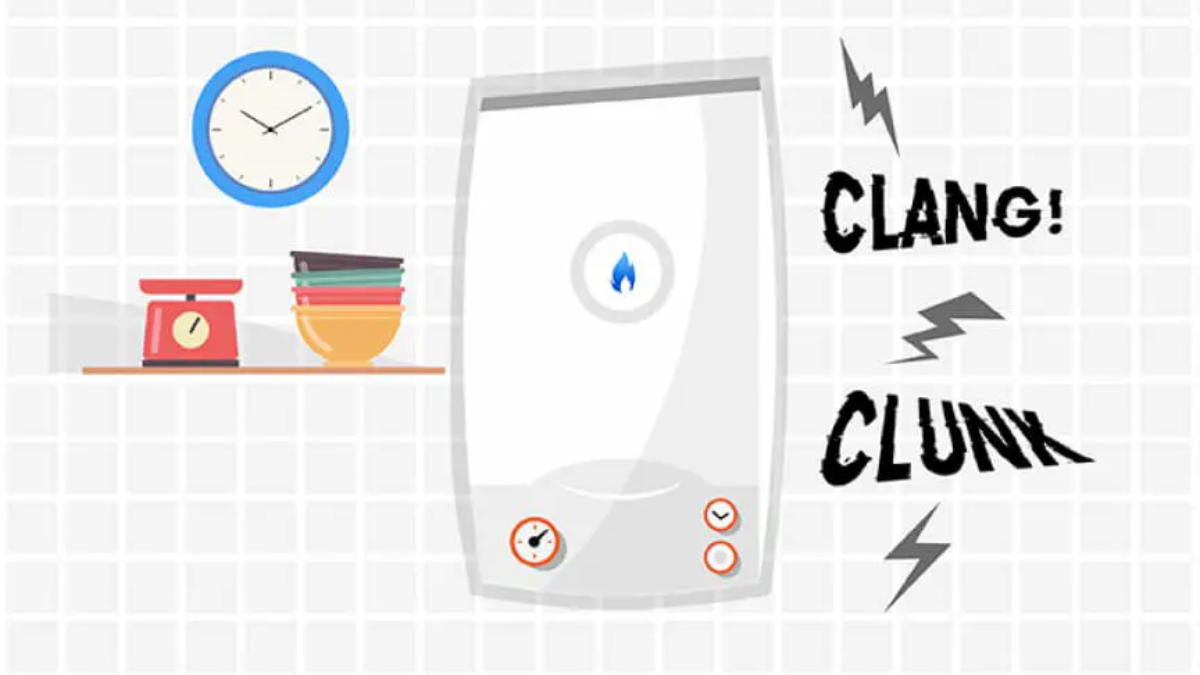
Unusual noises often indicate underlying problems such as air in the system, pressure issues, or internal component faults. Ignoring these warning signs can lead to bigger repairs, reduced efficiency, or even complete system breakdown.
At Emergix, we provide 24/7 emergency boiler repair services across the UK, ensuring fast and reliable support whenever you need it. Our Gas Safe registered engineers are highly experienced in diagnosing and fixing all types of boiler issues quickly and safely, helping you restore comfort to your home without delay.
What Does It Mean When Your Boiler Is Making Noise?
Boilers are designed to operate quietly, so unusual sounds are often a sign that something isn’t working as it should. While some minor noises can be harmless, persistent or loud sounds usually indicate an underlying issue within the system.
In most cases, boiler noise is caused by:
- Air in the system, which disrupts water flow and creates gurgling or bubbling sounds
- Pressure issues, either too high or too low, affecting normal operation
- Component faults, such as problems with the pump, valves, or heat exchanger
Identifying the cause early is important. Ignoring these warning signs can lead to more serious damage, reduced efficiency, and higher repair costs over time.
Common Types of Boiler Noises & What They Mean
Banging or Kettling Noise
A loud banging or “kettling” noise is often caused by limescale or sludge buildup inside the heat exchanger. This restricts water flow, causing it to overheat and produce steam-like sounds. It is more common in older systems or areas with hard water.
Gurgling or Bubbling Sounds
Gurgling noises usually indicate air trapped in the system, which disrupts normal water circulation. It can also be linked to low boiler pressure or poor flow within pipes and radiators.
Whistling Noise
A whistling sound often occurs when there is high pressure in the system or water is forced through narrow or restricted pipe sections. Limescale buildup can also contribute to this issue.
Humming or Vibrating Noise
Humming or vibrating sounds are typically related to pump issues, loose internal components, or minor electrical faults. These noises may start off subtle but can worsen over time if not addressed.
Clicking or Tapping Sounds
Clicking or tapping noises are often caused by the expansion and contraction of pipes as they heat and cool. In some cases, they may also be linked to ignition attempts. While usually minor, persistent clicking can sometimes indicate a developing fault.
Main Causes of Boiler Making Noise
Limescale or Sludge Build-Up
Over time, limescale and sludge can build up inside the heat exchanger. This blocks normal water flow, causing the water to overheat and create loud noises such as banging or kettling.
Air in the System
Air trapped in pipes or radiators can disrupt water circulation, leading to gurgling or bubbling sounds. This is a common issue and often affects heating efficiency as well.
Low or High Boiler Pressure
Incorrect pressure levels can impact how the system operates. Low or high pressure can create imbalance, resulting in noises like banging, whistling, or inconsistent heating performance.
Faulty Pump
The pump is responsible for circulating water through the system. If it becomes faulty, it can cause poor water movement, leading to humming, vibrating, or unusual operational noises.
Loose Components
Internal components can loosen over time due to regular use. These loose parts may vibrate during operation, creating noticeable noise when the boiler is running.
Frozen or Blocked Pipes
In colder months, pipes—especially the condensate pipe—can freeze or become blocked. This restricts water flow and can cause unusual noises as the system struggles to operate properly.
How to Fix a Noisy Boiler
Bleed Your Radiators
Air trapped in the system is a common cause of noise. Bleeding your radiators helps release this air, allowing water to circulate properly and improving overall heating efficiency.
Check Boiler Pressure
Incorrect pressure can lead to unusual sounds and poor performance. Make sure the pressure stays between 1–1.5 bar. If it’s too low, you can repressurise the system using the filling loop.
Power Flush the System
A power flush removes sludge, debris, and limescale buildup from the system. This improves water flow, reduces noise, and helps the boiler run more efficiently.
Check for Loose Parts
Loose external fittings or pipework can cause vibrations and noise. If safe to do so, check and tighten any visible components to reduce unnecessary movement.
Reset the Boiler
Sometimes, a simple reset can clear minor faults causing noise. Follow the manufacturer’s instructions to reset the boiler safely, but avoid repeated resets if the issue continues.
When to Call a Professional
While some minor issues can be resolved with basic checks, certain problems require expert attention to ensure safety and proper repair.
- Persistent loud noises: If the boiler continues to make loud or unusual sounds despite troubleshooting, it may indicate a deeper issue.
- Boiler overheating: Overheating can damage internal components and should be addressed immediately by a professional.
- Repeated pressure issues: Constant drops or spikes in pressure suggest an underlying fault that needs proper diagnosis.
- No heating or hot water: If your system stops providing heat or hot water, it’s best to call an engineer without delay.
- Suspected internal damage: Problems involving internal components should only be handled by qualified professionals.
For safety and reliable results, always contact a Gas Safe registered engineer to inspect and repair your boiler.
Why Ignoring Boiler Noise Is Risky
Ignoring unusual boiler noises can lead to more serious problems over time. What may start as a minor issue can quickly develop into costly and disruptive damage.
- Can lead to complete boiler breakdown: Small faults can escalate and cause the entire system to stop working.
- Higher repair costs: Delaying repairs often results in more extensive damage and expensive fixes.
- Reduced efficiency: A noisy boiler usually works harder than normal, increasing energy use and bills.
- Potential safety hazards: Some issues, especially those involving gas or pressure, can pose serious safety risks if left unchecked.
Addressing boiler noise early helps prevent major breakdowns and keeps your heating system running safely and efficiently.
Preventing Boiler Noise Problems
Regular maintenance is the best way to prevent your boiler from becoming noisy and inefficient. A few simple steps can help keep your system running smoothly and quietly.
- Annual boiler servicing: Schedule a yearly service with a qualified engineer to keep all components clean, safe, and working properly.
- Regular system checks: Monitor your boiler for early signs of issues such as pressure changes or unusual sounds.
- Use inhibitor to prevent sludge: Adding a system inhibitor helps reduce sludge and limescale buildup inside the system.
- Maintain correct pressure: Keep your boiler pressure within the recommended range (usually 1–1.5 bar) for optimal performance.
- Bleed radiators when needed: Release trapped air from radiators to maintain efficient water circulation and reduce noise.
Conclusion
A boiler making noise is often an early warning sign that something is not working correctly within the system. While some issues can be resolved with basic maintenance, others may require professional inspection to prevent further damage.
Addressing the problem early can help avoid costly repairs, improve efficiency, and ensure your heating system runs safely and reliably.
At Emergix, our experienced Gas Safe registered engineers are available 24/7 to diagnose and repair noisy boilers quickly and safely. If your boiler is making unusual sounds, don’t wait—get expert help to restore comfort and peace of mind in your home.
A banging or kettling noise is usually caused by limescale or sludge buildup inside the system, which restricts water flow and leads to overheating.
Not always, but it can indicate an underlying fault. Some issues may worsen over time and lead to breakdowns or safety risks, so it should not be ignored.
This is often due to ignition attempts, air in the system, or pressure imbalance, especially during startup.
If the noise is persistent, getting louder, or affecting performance, it’s best to contact a Gas Safe registered engineer immediately.